Didn’t feel like watching R-Day parade for 1st time: Wangchuk’s wife
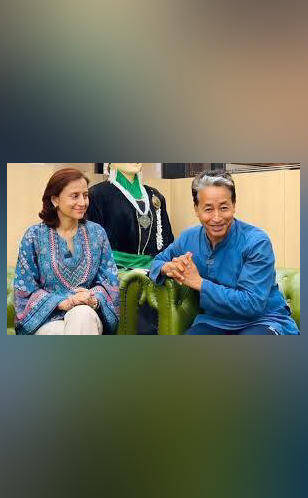
As India celebrated its 74th Republic Day with grandeur and pomp, a sense of disillusionment and disappointment seemed to have settled in for Gitanjali, the wife of renowned engineer and innovator Sonam Wangchuk. In a candid admission, Gitanjali revealed that she didn’t feel motivated to watch the Republic Day parade for the first time, a tradition she had faithfully followed for years. This sentiment is particularly striking, given the significance of the occasion and the usual enthusiasm that accompanies it.
Gitanjali’s statement, which has been making rounds on social media, comes at a time when her husband, Sonam Wangchuk, has been incarcerated in Jodhpur jail since September 2025. The circumstances surrounding Wangchuk’s arrest have been controversial, with many questioning the motivations behind the move. It is against this backdrop that Gitanjali’s feelings about the Republic Day parade become even more poignant, reflecting a broader sense of disillusionment with the current state of affairs in the country.
“It’s sad, but I don’t know how much to feel proud of what’s showcased anymore! What to believe and what not to!” Gitanjali expressed, encapsulating the confusion and skepticism that many Indians may be experiencing. Her words touch upon a deeper issue – the erosion of trust in institutions and the blurring of lines between truth and propaganda. In an era where information is plentiful but often tainted with bias or falsehoods, it’s becoming increasingly challenging for citizens to discern what is genuinely worth celebrating and what is merely a facade.
The Republic Day parade, typically a spectacle of national pride, showcases India’s military might, cultural diversity, and technological advancements. However, for Gitanjali and possibly many others, the sheen of this annual event has begun to wear off. The absence of genuine progress on critical issues, coupled with the perceived misuse of power and the suppression of dissenting voices, can lead to a sense of disconnection from the festivities.
Sonam Wangchuk’s arrest and the subsequent silence or indifference from many quarters have likely contributed to Gitanjali’s feelings of disillusionment. Wangchuk, known for his innovative approaches to education and sustainable development, especially in the Ladakh region, has been a symbol of grassroots change and community empowerment. His detention, under circumstances that many deem unjust or politically motivated, sends a chilling message about the space for dissent and the treatment of individuals who challenge the status quo.
Gitanjali’s admission, therefore, is not just a personal sentiment but also a reflection of a broader societal malaise. It highlights the growing disenchantment among citizens who are beginning to question the narrative presented by those in power. As India moves forward, the challenge will be to address these underlying concerns, to restore the faith of its citizens in the democratic process, and to ensure that the celebrations of national pride are not hollow but rooted in tangible, inclusive progress.
In conclusion, Gitanjali’s statement serves as a stark reminder of the need for introspection and genuine dialogue within Indian society. It underscores the importance of creating an environment where critical voices are heard, and dissent is not silenced. Only by acknowledging and addressing these concerns can the true spirit of Republic Day be upheld, and the celebrations be a genuine reflection of national pride, rather than a mere spectacle.
News Source: https://x.com/GitanjaliAngmo/status/2015790605637747092
About the Author