Pits, Pores, and more: The science behind India’s newest mushrooms
The world of mycology, the study of fungi, is a vast and fascinating one. With new species being discovered regularly, researchers are continually uncovering the secrets of these mysterious organisms. Recently, a team of researchers at St. Xavier’s College, Jharkhand, made a groundbreaking discovery in the Himalayas, identifying a new species of mushroom that has never been seen before in India. This exciting find has shed new light on the diversity of fungal life in the region and has significant implications for our understanding of the natural world.
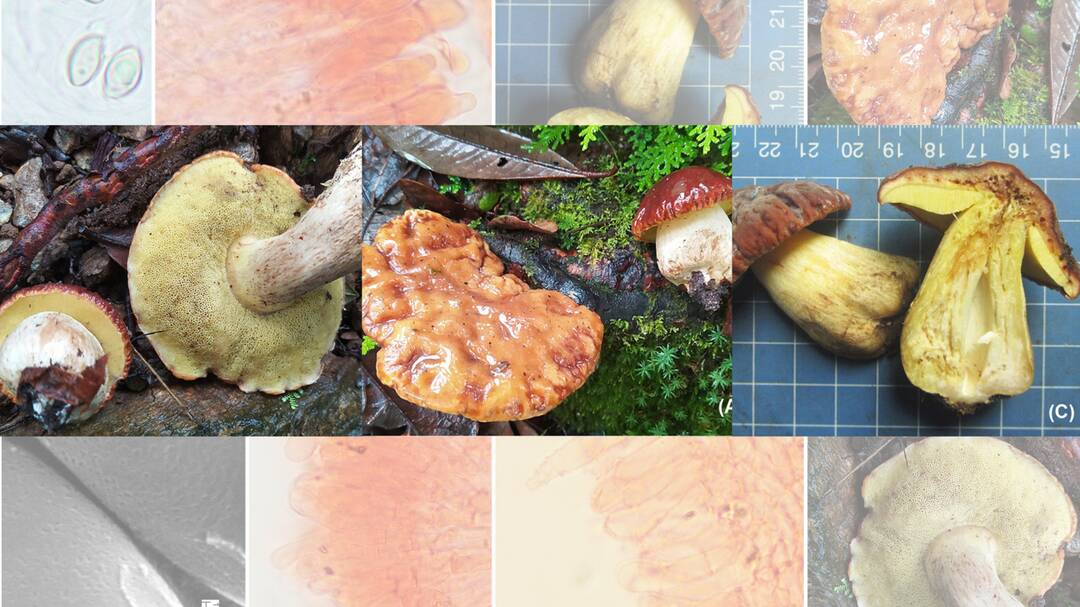
The new species, named Hemileccinum indicum, was found at an altitude of 2,600 meters in the oak forests of Uttarakhand. This genus of mushrooms has never been recorded in India before, making this discovery a major milestone in the field of mycology. The researchers used advanced techniques such as DNA sequencing and electron microscopy to study the unique characteristics of this new species.
One of the most distinctive features of Hemileccinum indicum is its “pitted” spores. Spores are the reproductive structures of fungi, and they play a crucial role in the life cycle of these organisms. The pits on the surface of the spores are a unique characteristic that sets this species apart from others in the same genus. The researchers used electron microscopy to study the surface morphology of the spores, which revealed the intricate details of the pits and pores.
The discovery of Hemileccinum indicum is significant not only because it is a new species but also because it highlights the diversity of fungal life in the Himalayas. The region is home to a wide range of flora and fauna, and the discovery of this new species underscores the importance of preserving and protecting this unique ecosystem. The oak forests of Uttarakhand, where the species was found, are a fragile and threatened habitat, and the discovery of this new species emphasizes the need for conservation efforts to protect these ecosystems.
The researchers who made this discovery used a combination of traditional and modern techniques to identify the new species. They began by collecting samples of the mushroom in the field and then used DNA sequencing to analyze the genetic material of the organism. This allowed them to compare the genetic characteristics of the new species with those of other related species and to determine its place within the genus.
In addition to DNA sequencing, the researchers also used electron microscopy to study the surface morphology of the spores. This involved using a high-powered microscope to examine the surface of the spores and to observe the pits and pores in detail. The results of this analysis were then compared with the genetic data to confirm the identity of the new species.
The discovery of Hemileccinum indicum is a significant addition to the field of mycology, and it highlights the importance of continued research and exploration of the natural world. The discovery of new species is a reminder that there is still much to be learned about the diversity of life on Earth, and it emphasizes the need for continued conservation efforts to protect these unique ecosystems.
The Himalayas are a region of incredible biodiversity, and the discovery of this new species is a testament to the richness and complexity of the ecosystems found there. The oak forests of Uttarakhand, where the species was found, are a unique and fragile habitat that is home to a wide range of plant and animal species. The discovery of Hemileccinum indicum underscores the importance of preserving and protecting these ecosystems, not just for the benefit of the species that live there but also for the benefit of the planet as a whole.
In conclusion, the discovery of Hemileccinum indicum is a significant breakthrough in the field of mycology, and it highlights the importance of continued research and exploration of the natural world. The use of advanced techniques such as DNA sequencing and electron microscopy has allowed researchers to study the unique characteristics of this new species and to determine its place within the genus. The discovery of this new species is a reminder that there is still much to be learned about the diversity of life on Earth, and it emphasizes the need for continued conservation efforts to protect these unique ecosystems.
For more information on this discovery, please visit: https://researchmatters.in/news/new-pitted-spore-mushroom-found-himalayas-oak-forests-uttarakhand
About the Author