Pits, Pores, and more: The science behind India’s newest mushrooms
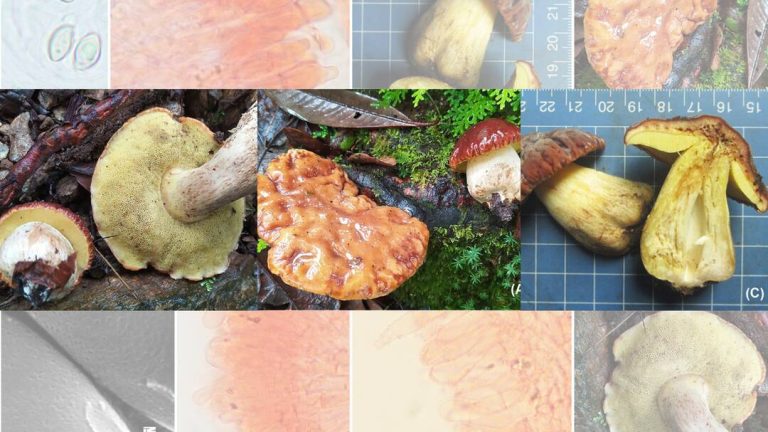
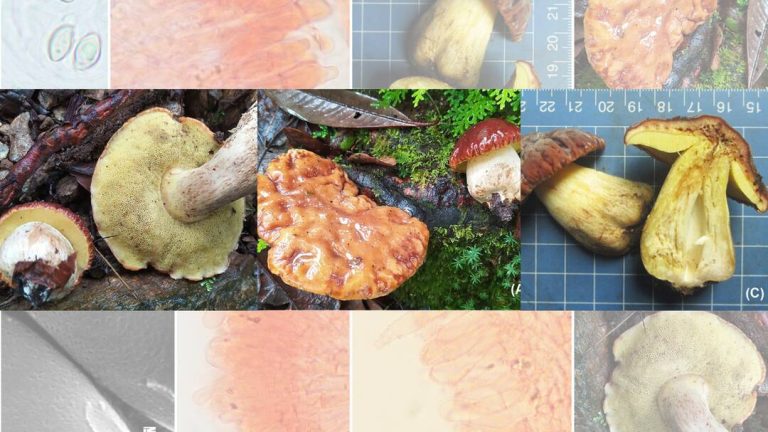
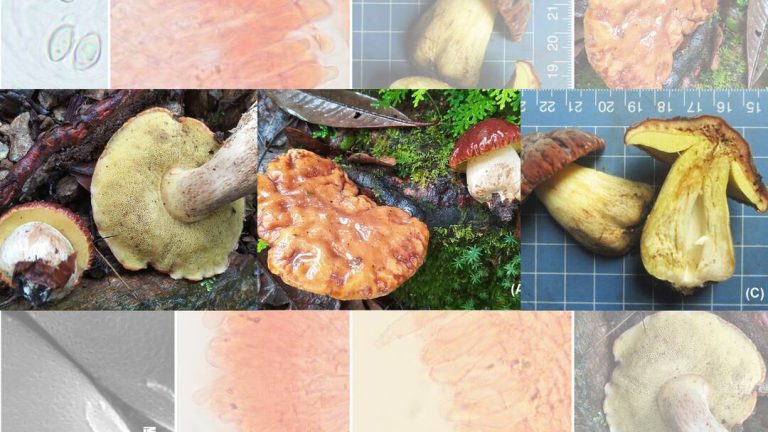
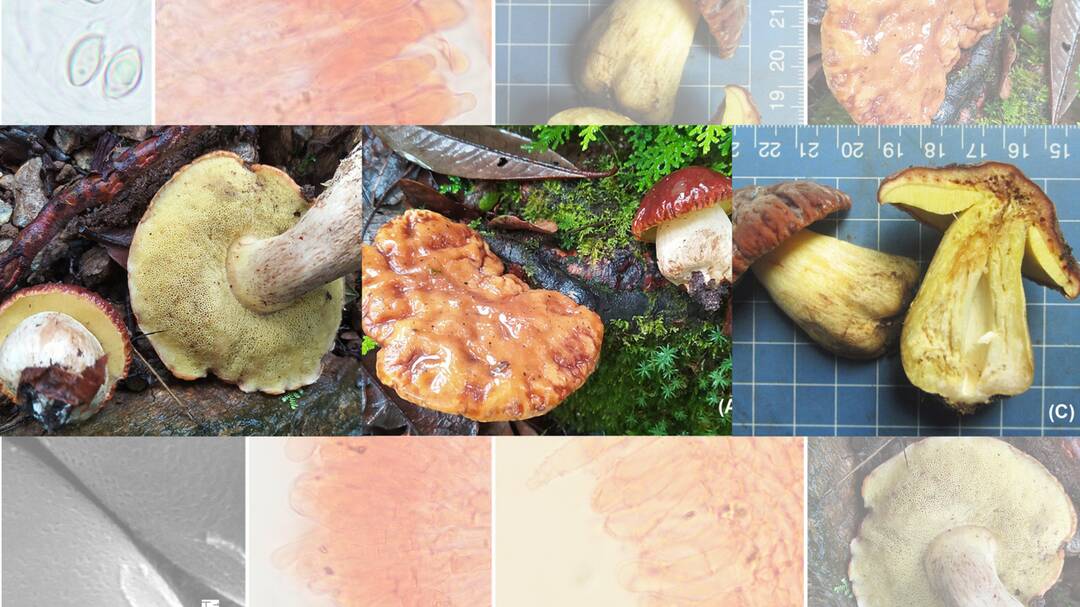
The world of fungi is a vast and wondrous place, full of mysteries waiting to be uncovered. Recently, a team of researchers at St. Xavier’s College, Jharkhand, made a groundbreaking discovery that has shed new light on the fascinating realm of mushrooms. Deep in the oak forests of Uttarakhand, at an elevation of 2,600 meters, they identified a new species of mushroom that has never been seen before in India. This remarkable find has been named Hemileccinum indicum, and it is the first time that this genus has been recorded in the country.
The discovery of Hemileccinum indicum is a significant one, not only because it represents a new species, but also because of its unique characteristics. The researchers used advanced techniques such as DNA sequencing and electron microscopy to study the mushroom’s morphology and identify its distinctive features. One of the most striking aspects of this mushroom is its “pitted” spores, which are unlike anything seen before in this genus.
But what exactly are spores, and why are they so important in the world of fungi? Spores are the reproductive structures of mushrooms, responsible for dispersing genetic material and allowing the species to propagate. They are incredibly diverse, with different shapes, sizes, and surface features that can be used to identify different species. In the case of Hemileccinum indicum, the pitted spores are a key characteristic that sets it apart from other members of the genus.
The use of DNA sequencing and electron microscopy was crucial in identifying the unique features of Hemileccinum indicum. DNA sequencing allows researchers to analyze the genetic material of an organism and compare it to other known species. This can help to identify relationships between different species and provide clues about their evolutionary history. Electron microscopy, on the other hand, provides a highly detailed image of the mushroom’s morphology, allowing researchers to study its surface features and internal structure.
The discovery of Hemileccinum indicum is not only significant from a scientific perspective, but it also highlights the importance of exploring and conserving India’s rich biodiversity. The oak forests of Uttarakhand are a unique and fragile ecosystem, home to a wide range of plant and animal species that are found nowhere else in the world. By studying the fungi that live in these forests, researchers can gain a deeper understanding of the complex relationships between different species and their environment.
Furthermore, the discovery of new species like Hemileccinum indicum can also have practical applications. Fungi have been a source of inspiration for many scientific and technological innovations, from antibiotics to biofuels. By studying the unique characteristics of different fungal species, researchers can identify new compounds and enzymes that could be used to develop new products and technologies.
In addition to its scientific significance, the discovery of Hemileccinum indicum also highlights the importance of collaboration and international cooperation in scientific research. The team of researchers at St. Xavier’s College, Jharkhand, worked together with experts from other institutions to identify and characterize the new species. This kind of collaboration is essential for advancing our understanding of the natural world and addressing the complex challenges that we face.
In conclusion, the discovery of Hemileccinum indicum is a significant breakthrough that sheds new light on the fascinating world of fungi. The use of advanced techniques such as DNA sequencing and electron microscopy has allowed researchers to identify the unique characteristics of this new species, including its pitted spores. As we continue to explore and study the natural world, we are reminded of the importance of conservation and the need to protect fragile ecosystems like the oak forests of Uttarakhand. By working together and sharing our knowledge and expertise, we can gain a deeper understanding of the world around us and uncover the secrets of the fascinating realm of fungi.
News Source: https://researchmatters.in/news/new-pitted-spore-mushroom-found-himalayas-oak-forests-uttarakhand
About the Author