Pits, Pores, and more: The science behind India’s newest mushrooms
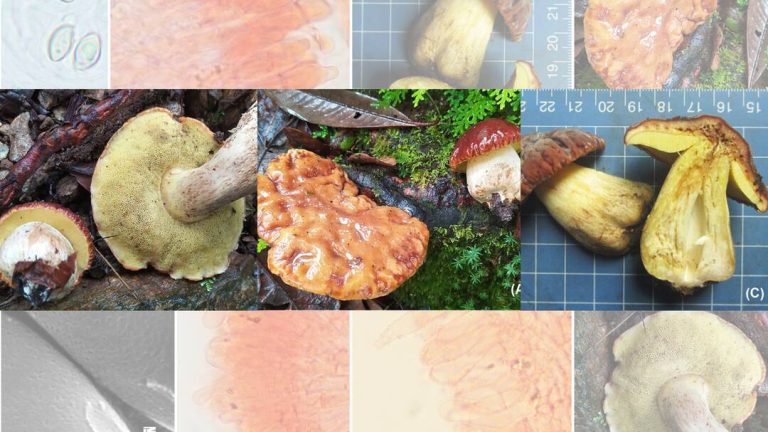
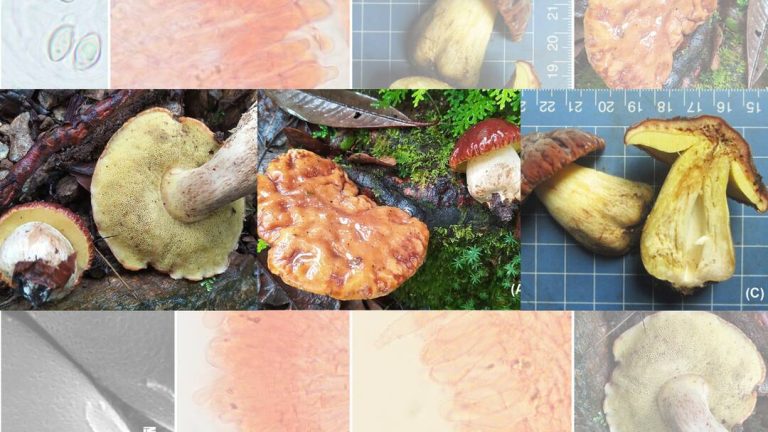
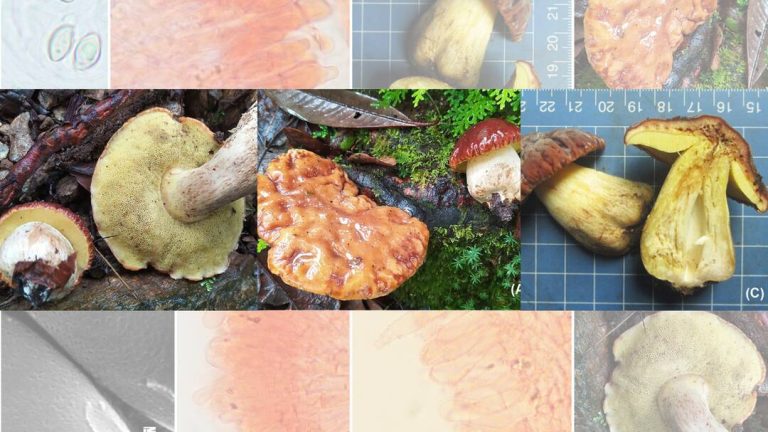
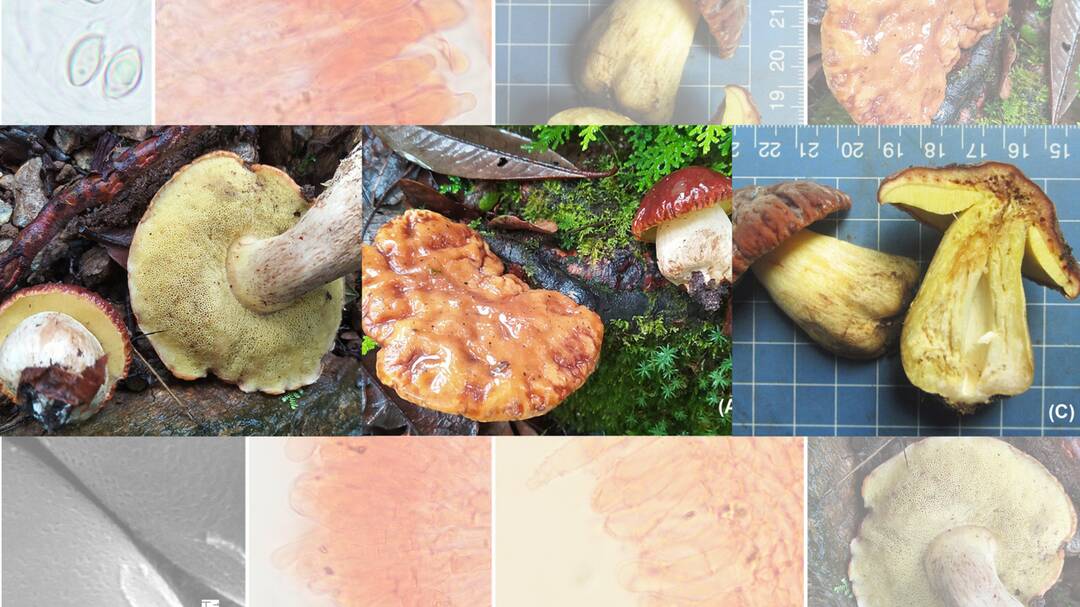
The world of fungi is a vast and fascinating one, with new species being discovered all the time. In a recent breakthrough, researchers at St. Xavier’s College, Jharkhand, have identified a new species of mushroom that is sure to excite mycologists and nature enthusiasts alike. Meet Hemileccinum indicum, a newly discovered species of mushroom that has been found in the oak forests of Uttarakhand, at an altitude of 2,600 meters. This discovery is significant not only because it represents a new species, but also because it is the first time that this genus has been recorded in India.
The discovery of Hemileccinum indicum was made possible through the use of advanced technologies such as DNA sequencing and electron microscopy. These tools allowed researchers to study the mushroom’s unique characteristics, including its “pitted” spores, in unprecedented detail. The use of DNA sequencing, in particular, has revolutionized the field of mycology, enabling researchers to identify and classify fungal species with greater accuracy and speed than ever before.
So, what makes Hemileccinum indicum so special? For starters, its “pitted” spores are a distinctive feature that sets it apart from other species of mushrooms. These spores are covered in small, pit-like depressions that give them a unique appearance under the microscope. But it’s not just the spores that are interesting – the mushroom itself has a number of characteristics that make it worth studying.
One of the most interesting things about Hemileccinum indicum is its habitat. Found in the oak forests of Uttarakhand, this mushroom is well adapted to the cool, moist conditions of the Himalayan region. The oak forests of Uttarakhand are a unique and fascinating ecosystem, home to a wide variety of plant and animal species. The discovery of Hemileccinum indicum adds to our understanding of this ecosystem and highlights the importance of preserving and protecting these forests for future generations.
The discovery of Hemileccinum indicum is also a reminder of the importance of basic scientific research. By studying the natural world and identifying new species, scientists can gain a deeper understanding of the complex relationships between living organisms and their environments. This knowledge can have practical applications, such as the development of new medicines or the improvement of agricultural practices. But it also has inherent value, allowing us to appreciate the beauty and diversity of the natural world.
In addition to its scientific significance, the discovery of Hemileccinum indicum is also a testament to the power of collaboration and international cooperation. The researchers who made this discovery worked together with scientists from other countries to share knowledge and expertise, demonstrating the global nature of scientific inquiry. This kind of collaboration is essential for advancing our understanding of the natural world and addressing the complex challenges that we face.
As we continue to learn more about Hemileccinum indicum and its place in the natural world, we are reminded of the importance of preserving and protecting our planet’s biodiversity. The discovery of new species like Hemileccinum indicum highlights the fact that there is still so much that we do not know about the world around us, and that there is always more to discover. By supporting scientific research and conservation efforts, we can help to ensure that future generations will be able to appreciate the beauty and diversity of the natural world.
In conclusion, the discovery of Hemileccinum indicum is a significant breakthrough that highlights the importance of scientific research and international cooperation. This new species of mushroom is a fascinating addition to the world of fungi, with its unique “pitted” spores and distinctive habitat. As we continue to learn more about Hemileccinum indicum, we are reminded of the importance of preserving and protecting our planet’s biodiversity, and of the many wonders that still await discovery in the natural world.
Source: https://researchmatters.in/news/new-pitted-spore-mushroom-found-himalayas-oak-forests-uttarakhand
About the Author