Pits, Pores, and more: The science behind India’s newest mushrooms
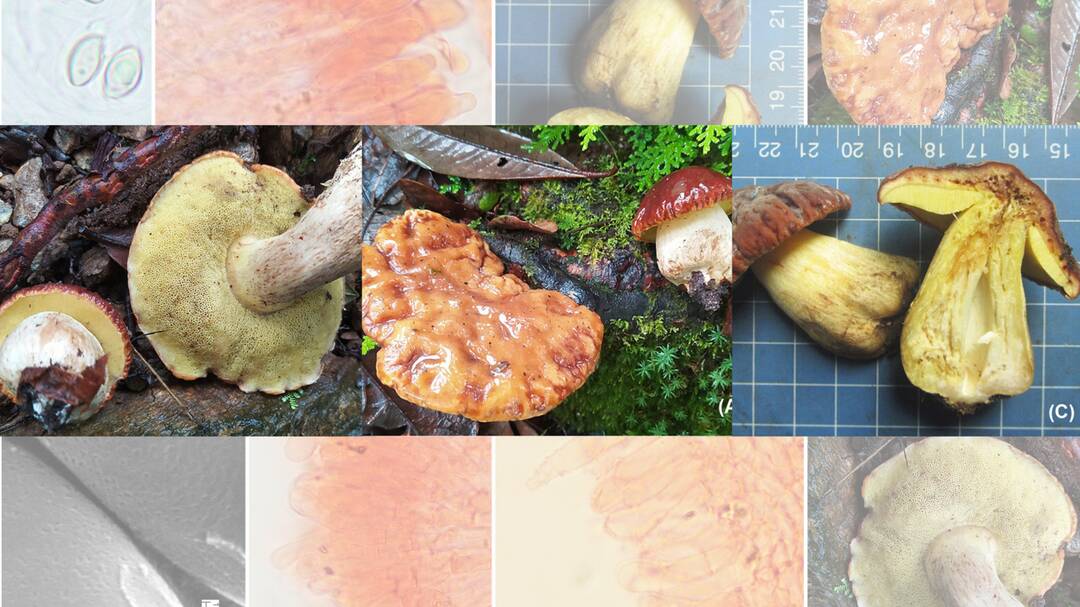
The world of mycology, the study of fungi, is a vast and fascinating one. With new species being discovered regularly, researchers are constantly uncovering the secrets of these mysterious organisms. Recently, a team of researchers at St. Xavier’s College, Jharkhand, made a groundbreaking discovery in the Himalayas, identifying a new species of mushroom that has never been seen before in India. The newly discovered species, named Hemileccinum indicum, is a significant finding that sheds light on the diversity of fungal life in the country.
The discovery was made at an altitude of 2,600 meters, in the oak forests of Uttarakhand. This region is known for its rich biodiversity, and the discovery of the new mushroom species is a testament to the area’s unique ecosystem. The researchers used advanced techniques such as DNA sequencing and electron microscopy to study the mushroom’s unique characteristics. One of the most distinctive features of the Hemileccinum indicum is its “pitted” spores, which are unlike any other species of mushroom found in India.
The use of DNA sequencing in the discovery of the new mushroom species is a significant aspect of the research. By analyzing the DNA of the mushroom, the researchers were able to identify its genetic makeup and determine its relationship to other species of mushrooms. This information is crucial in understanding the evolution and diversity of fungal life. Electron microscopy, on the other hand, allowed the researchers to study the mushroom’s spores in detail, revealing the unique “pitted” structure that sets it apart from other species.
The discovery of the Hemileccinum indicum is not only significant for the field of mycology but also has broader implications for our understanding of the natural world. Fungi play a vital role in ecosystems, serving as decomposers and nutrient cyclers. They are also a source of food and medicine for many organisms, including humans. The discovery of new species of fungi, such as the Hemileccinum indicum, highlights the importance of preserving and protecting our natural habitats, where these organisms can thrive.
The Himalayas, where the new mushroom species was discovered, are a hotspot for biodiversity. The region’s unique combination of climate, geology, and geography creates a wide range of ecosystems, from tropical forests to alpine meadows. This diversity of habitats supports a vast array of plant and animal life, including many species of fungi. The discovery of the Hemileccinum indicum is a reminder of the importance of preserving this biodiversity, not just for the sake of the organisms themselves, but also for the ecosystems they inhabit.
The discovery of the Hemileccinum indicum is also significant because it highlights the importance of taxonomic research. Taxonomy, the science of classifying and naming living organisms, is a crucial aspect of understanding the natural world. By identifying and naming new species, researchers can gain insights into the evolution and diversity of life on Earth. The discovery of the Hemileccinum indicum is a testament to the importance of taxonomic research, which is often overlooked in favor of more “applied” scientific pursuits.
In addition to its scientific significance, the discovery of the Hemileccinum indicum also has cultural and economic implications. Mushrooms have been a part of human culture for centuries, with many species being used as food, medicine, and even in spiritual rituals. The discovery of a new species of mushroom could lead to new opportunities for sustainable forestry and ecotourism, as well as the development of new products and industries.
In conclusion, the discovery of the Hemileccinum indicum is a significant finding that sheds light on the diversity of fungal life in India. The use of advanced techniques such as DNA sequencing and electron microscopy has allowed researchers to study the mushroom’s unique characteristics, including its “pitted” spores. The discovery highlights the importance of preserving and protecting our natural habitats, where these organisms can thrive. It also underscores the significance of taxonomic research, which is essential for understanding the natural world. As we continue to explore and discover new species, we are reminded of the importance of preserving our planet’s biodiversity, not just for the sake of the organisms themselves, but also for the ecosystems they inhabit.
News source: https://researchmatters.in/news/new-pitted-spore-mushroom-found-himalayas-oak-forests-uttarakhand
About the Author