Pits, Pores, and more: The science behind India’s newest mushrooms
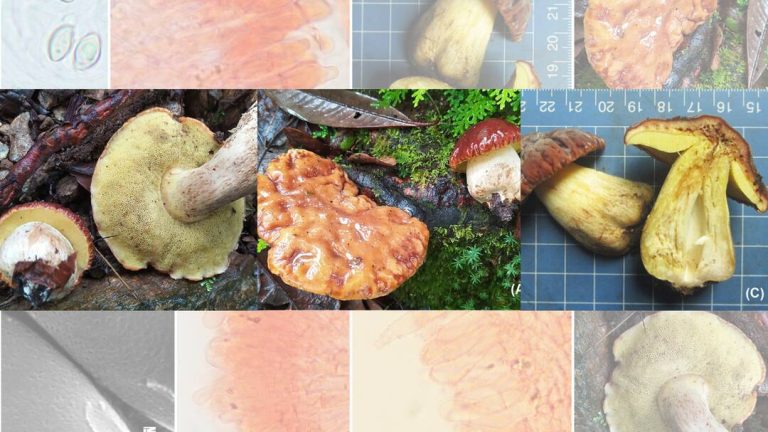
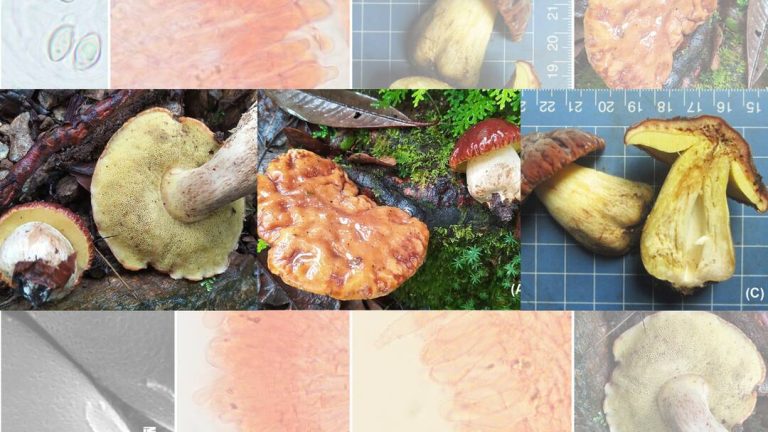
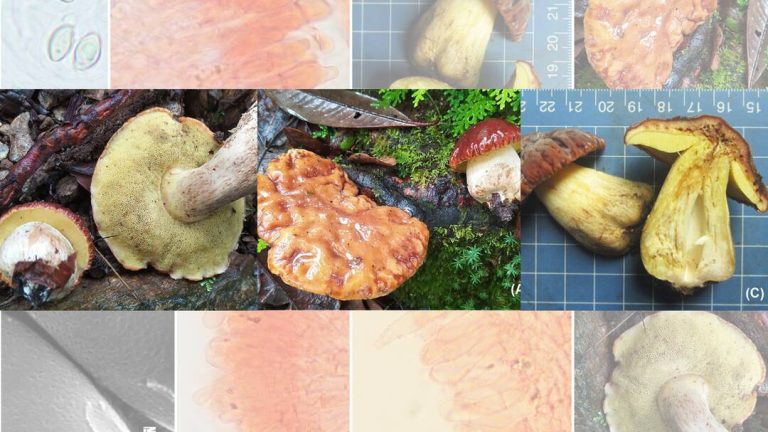
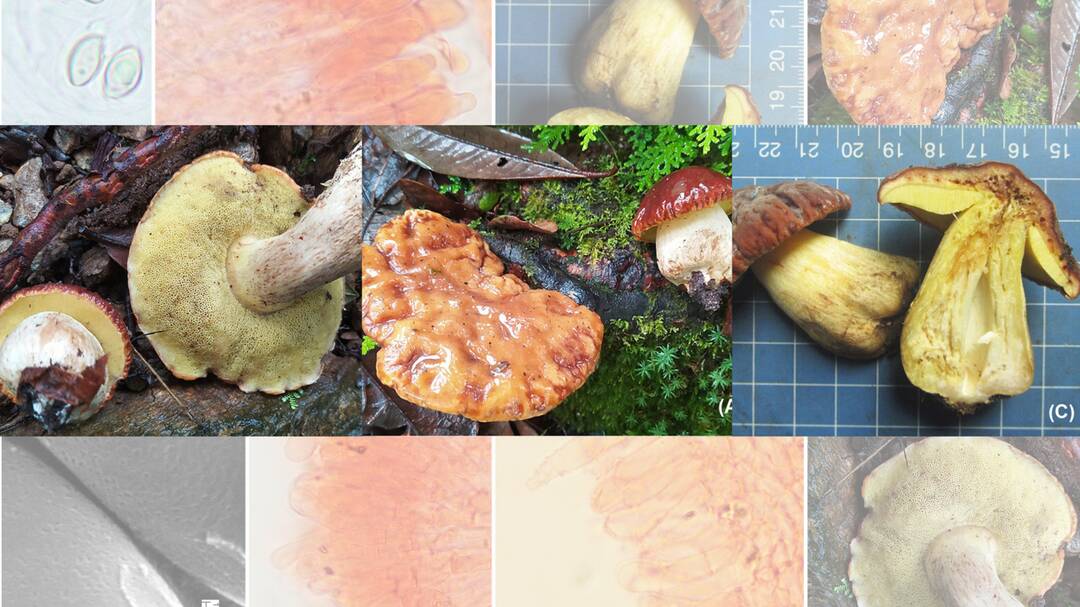
The Indian subcontinent is home to a vast array of flora and fauna, with new species being discovered regularly. Recently, a team of researchers from St. Xavier’s College, Jharkhand, has made a groundbreaking discovery in the field of mycology, the study of fungi. They have identified a new species of mushroom, which has been named Hemileccinum indicum. This discovery is significant not only because it is a new species, but also because it is the first time that this genus has been recorded in India.
The Hemileccinum indicum was found at an altitude of 2,600 meters in the oak forests of Uttarakhand, a state in the northern part of India. The researchers used advanced techniques such as DNA sequencing and electron microscopy to study the mushroom and identify its unique characteristics. One of the most distinctive features of this mushroom is its “pitted” spores, which have small depressions or pits on their surface. This characteristic is not found in any other species of mushroom in India, making it a significant discovery.
The discovery of the Hemileccinum indicum is a testament to the rich biodiversity of the Indian subcontinent. The country is home to a wide range of ecosystems, from the tropical rainforests of the Western Ghats to the alpine meadows of the Himalayas. Each of these ecosystems supports a unique array of flora and fauna, many of which are still unknown to science. The discovery of new species like the Hemileccinum indicum highlights the importance of continued exploration and research into the natural world.
The use of advanced techniques such as DNA sequencing and electron microscopy has revolutionized the field of mycology. These techniques allow researchers to study the morphology and genetics of fungi in greater detail than ever before. DNA sequencing, in particular, has enabled researchers to identify new species and understand their relationships to other species. This has led to a greater understanding of the diversity of fungi and their role in ecosystems.
The discovery of the Hemileccinum indicum is not just significant from a scientific perspective, but also from a conservation perspective. Many species of fungi are found in specific ecosystems and play a crucial role in maintaining the balance of those ecosystems. The loss of these species could have significant consequences for the health of the ecosystem as a whole. By identifying and studying new species of fungi, researchers can gain a greater understanding of the importance of conservation and the need to protect these ecosystems.
In addition to its significance from a scientific and conservation perspective, the discovery of the Hemileccinum indicum is also significant from a cultural perspective. Fungi have been used for centuries in traditional medicine and cuisine in many parts of the world, including India. The discovery of new species of fungi could lead to the development of new medicines and foods, which could have significant benefits for human health and well-being.
The researchers who discovered the Hemileccinum indicum are part of a growing community of mycologists in India. This community is working to document and study the diverse array of fungi found in the country. By doing so, they are helping to advance our understanding of the natural world and the importance of conservation. The discovery of the Hemileccinum indicum is a testament to the dedication and hard work of these researchers and highlights the importance of continued support for scientific research in India.
In conclusion, the discovery of the Hemileccinum indicum is a significant finding that highlights the importance of continued exploration and research into the natural world. The use of advanced techniques such as DNA sequencing and electron microscopy has enabled researchers to study the morphology and genetics of fungi in greater detail than ever before. The discovery of new species like the Hemileccinum indicum is a testament to the rich biodiversity of the Indian subcontinent and highlights the importance of conservation and the need to protect these ecosystems. As we continue to learn more about the natural world, we are reminded of the importance of preserving it for future generations.
News Source: https://researchmatters.in/news/new-pitted-spore-mushroom-found-himalayas-oak-forests-uttarakhand
About the Author