Pits, Pores, and more: The science behind India’s newest mushrooms
The world of fungi is a vast and fascinating one, with new species being discovered all the time. Recently, researchers at St. Xavier’s College, Jharkhand, made a groundbreaking discovery in the Himalayas, identifying a new species of mushroom that has never been seen before in India. The new species, named Hemileccinum indicum, was found at an altitude of 2,600 meters, and its unique characteristics have shed new light on the diversity of fungal life in the region.
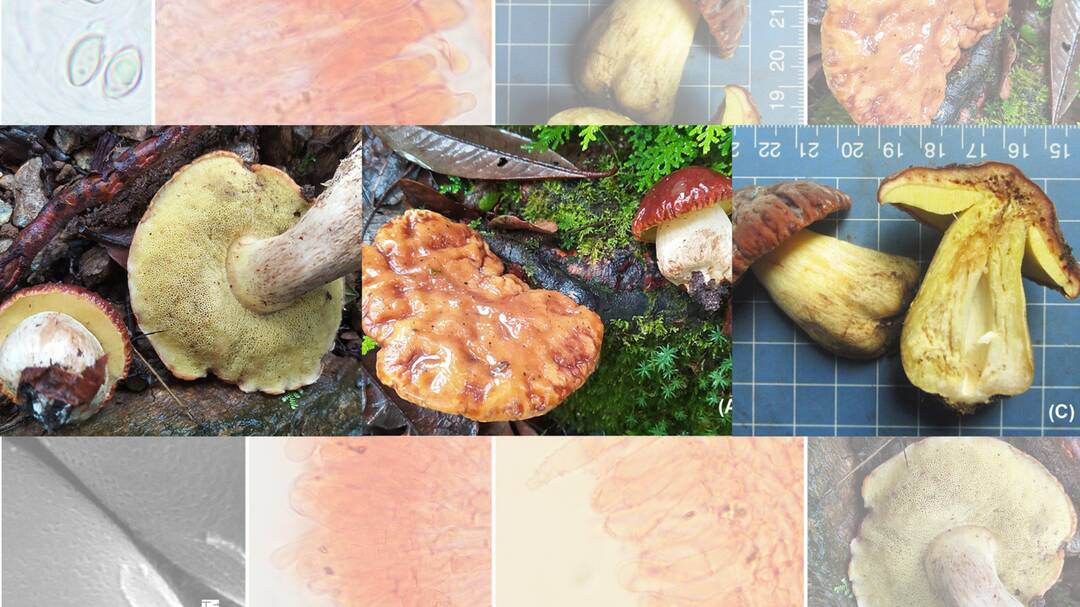
The discovery of Hemileccinum indicum is significant not only because it is a new species, but also because it is the first time that this genus has been recorded in India. The researchers used a combination of DNA sequencing and electron microscopy to identify the mushroom’s unique features, including its “pitted” spores. These spores are characterized by small depressions or pits on their surface, which are a distinctive feature of the Hemileccinum genus.
The discovery of Hemileccinum indicum was made in the oak forests of Uttarakhand, a region known for its rich biodiversity. The Himalayas are home to a wide range of flora and fauna, and the region’s unique climate and geography support a vast array of plant and animal life. The discovery of this new species of mushroom highlights the importance of continued exploration and research in the region, as there are likely many more species waiting to be discovered.
The use of DNA sequencing and electron microscopy in the discovery of Hemileccinum indicum is a testament to the power of modern technology in advancing our understanding of the natural world. By analyzing the mushroom’s DNA and examining its spores at the microscopic level, the researchers were able to gain a detailed understanding of its characteristics and identify it as a new species. This approach has revolutionized the field of mycology, allowing scientists to identify and classify fungal species with greater accuracy and precision than ever before.
The discovery of Hemileccinum indicum also highlights the importance of interdisciplinary research and collaboration. The researchers involved in the study came from a range of backgrounds, including mycology, botany, and ecology, and worked together to analyze the mushroom’s characteristics and identify its place in the fungal kingdom. This collaborative approach is essential for advancing our understanding of the natural world, as it allows scientists to bring together their expertise and knowledge to tackle complex problems and make new discoveries.
In addition to its scientific significance, the discovery of Hemileccinum indicum also has important implications for our understanding of the ecosystem in the Himalayas. Fungi play a critical role in the ecosystem, serving as decomposers and helping to break down organic matter. They also form symbiotic relationships with plants, providing them with essential nutrients and helping to support their growth. The discovery of this new species of mushroom highlights the diversity and complexity of the fungal kingdom, and underscores the importance of continued research and exploration in the region.
The oak forests of Uttarakhand, where Hemileccinum indicum was discovered, are a unique and fascinating ecosystem. The region is home to a wide range of plant and animal species, and its forests are characterized by a mix of oak, pine, and rhododendron trees. The forests are also home to a variety of fungi, including species of mushrooms, bracket fungi, and lichens. The discovery of Hemileccinum indicum adds to our understanding of the fungal diversity of the region, and highlights the importance of preserving and protecting these ecosystems for future generations.
In conclusion, the discovery of Hemileccinum indicum is a significant finding that highlights the diversity and complexity of the fungal kingdom. The use of DNA sequencing and electron microscopy in the discovery of this new species demonstrates the power of modern technology in advancing our understanding of the natural world. The discovery also underscores the importance of interdisciplinary research and collaboration, as well as the need for continued exploration and research in the Himalayas. As we continue to learn more about the fungal kingdom and its many secrets, we are reminded of the importance of preserving and protecting these ecosystems for future generations.
Source:
https://researchmatters.in/news/new-pitted-spore-mushroom-found-himalayas-oak-forests-uttarakhand
About the Author