Govt did exactly what I recommended: Shashi Tharoor on Op Sindoor
In a recent statement, Congress MP Shashi Tharoor has revealed that he disagrees with his party’s stance on Operation Sindoor, citing that the government’s actions were in line with his own recommendations. This revelation has sparked interest and debate, with many seeking to understand the reasoning behind Tharoor’s stance. In this blog post, we will delve into the details of Operation Sindoor, Tharoor’s recommendations, and the implications of his statement.
To begin with, it is essential to understand the context of Operation Sindoor. The operation was a response to the Pahalgam attack, which had significant implications for India’s national security. In the aftermath of the attack, there was a growing consensus that the government needed to take decisive action to address the situation. It was against this backdrop that Tharoor wrote a column outlining his recommendations for how India should respond to the Pahalgam attack.
In his column, Tharoor presented a clear and nuanced analysis of the situation, highlighting the need for a strategic and measured response. He argued that India should prioritize a combination of diplomatic and military efforts to address the situation, while also emphasizing the importance of protecting human rights and avoiding civilian casualties. Tharoor’s recommendations were based on his extensive experience in international relations and his deep understanding of the complexities of the situation.
When the government subsequently launched Operation Sindoor, many were surprised to find that the operation closely mirrored Tharoor’s recommendations. The operation was characterized by a careful and calibrated approach, with a focus on minimizing harm to civilians and avoiding escalation. In the aftermath of the operation, there was a sense of relief and satisfaction that the government had taken effective action to address the situation.
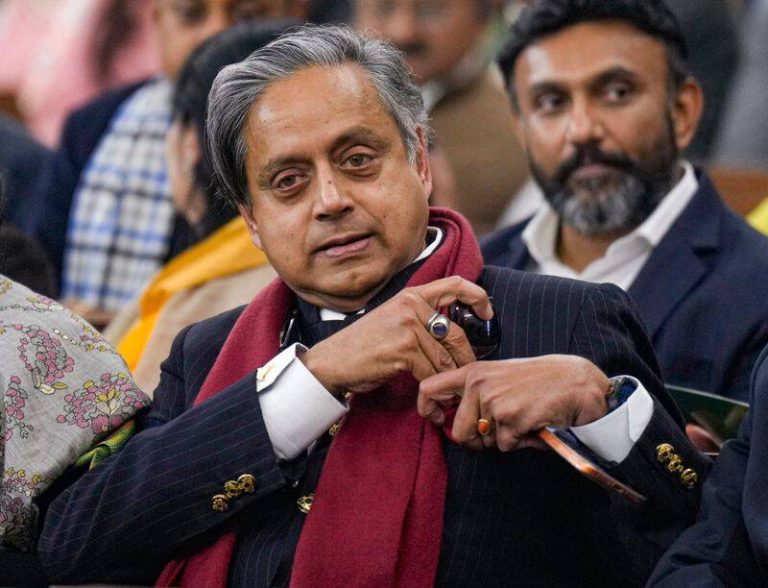
It was against this backdrop that Tharoor made his statement, saying, “How do you expect me to criticise what I myself recommended? I supported it fully.” Tharoor’s statement was unapologetic and straightforward, reflecting his confidence in the recommendations he had made. By acknowledging that the government had done exactly what he had recommended, Tharoor was, in effect, endorsing the government’s actions and suggesting that they had been effective in addressing the situation.
Tharoor’s statement has significant implications, both for the Congress party and for the broader debate on national security. On the one hand, it highlights the complexities and nuances of the situation, emphasizing the need for a thoughtful and strategic approach to addressing national security challenges. On the other hand, it underscores the importance of bipartisanship and cooperation in addressing issues of national importance.
In many ways, Tharoor’s statement reflects his commitment to putting the interests of the nation above party politics. By acknowledging that the government had done the right thing, even if it meant disagreeing with his own party, Tharoor demonstrated a willingness to prioritize the national interest over partisan considerations. This approach is both admirable and necessary, given the complexities and challenges of the modern world.
At the same time, Tharoor’s statement has also sparked debate and discussion within the Congress party. Some have argued that Tharoor’s endorsement of the government’s actions undermines the party’s own stance on the issue, while others have suggested that his statement reflects a deeper division within the party on issues of national security. Whatever the case, it is clear that Tharoor’s statement has added a new layer of complexity to the debate, highlighting the need for careful consideration and nuanced analysis.
In conclusion, Shashi Tharoor’s statement on Operation Sindoor reflects his commitment to putting the interests of the nation above party politics. By acknowledging that the government had done exactly what he had recommended, Tharoor demonstrated a willingness to prioritize the national interest over partisan considerations. As we move forward, it is essential to continue this debate and discussion, seeking to understand the complexities and nuances of the situation and working towards a more informed and effective approach to addressing national security challenges.
Source: https://x.com/pradip103/status/2015265846512488667
About the Author