Govt did exactly what I recommended: Shashi Tharoor on Op Sindoor
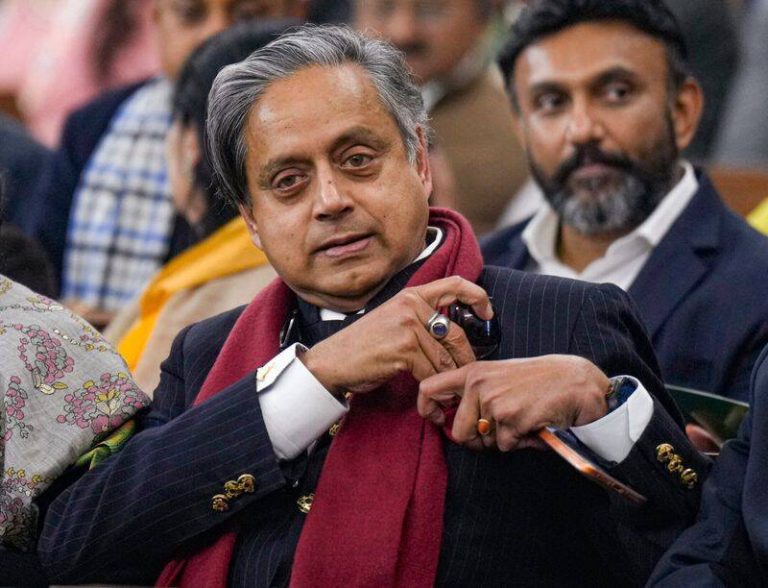
In a recent statement, Congress MP Shashi Tharoor has expressed his disagreement with his party’s stance on Operation Sindoor, citing that the government’s actions were in line with his own recommendations. Tharoor, known for his vocal opinions on various issues, had written a column in the aftermath of the Pahalgam attack, outlining how India should respond to the situation. When asked about his views on Operation Sindoor, he stated, “How do you expect me to criticise what I myself recommended? I supported it fully.” This statement has sparked interest and debate, with many seeking to understand the context and implications of Tharoor’s remarks.
To delve into this matter, it’s essential to understand the events that led to Operation Sindoor and Tharoor’s initial response to the Pahalgam attack. The Pahalgam attack was a significant incident that raised concerns about national security and the appropriate response to such threats. In his column, Tharoor had suggested a course of action that he believed India should take in the face of such challenges. His recommendations were based on his analysis of the situation and his understanding of the strategic and diplomatic measures that could be employed to address the issue effectively.
Tharoor’s stance on Operation Sindoor, as revealed by his recent statement, indicates that the government’s actions aligned with his recommendations. This alignment is what prompted him to express disagreement with his party’s criticism of the operation. By stating that he supported the government’s actions fully, Tharoor is essentially saying that he sees no reason to criticise a course of action that he himself had advocated for. This position reflects his commitment to his initial analysis and the measures he proposed as a response to the Pahalgam attack.
The implications of Tharoor’s statement are multifaceted. On one hand, it highlights the importance of consistency in political discourse. Tharoor’s refusal to criticise an action that he recommended demonstrates a commitment to principle and a willingness to stand by one’s convictions, even if they align with the actions of a opposing political entity. This stance can be seen as a testament to his integrity and his focus on the issue at hand, rather than mere political opportunism.
On the other hand, Tharoor’s disagreement with his party’s stance on Operation Sindoor may also underscore the complexities and nuances within political parties. The fact that a prominent member like Tharoor can hold a view that diverges from the party’s official line suggests that there are ongoing debates and discussions within the party. This diversity of opinion can be seen as healthy, as it reflects a democratic process within the party where members are free to hold and express their own views, even if they differ from the party’s stance.
Furthermore, Tharoor’s unapologetic support for Operation Sindoor, despite his party’s criticism, raises questions about the role of individual conscience in political decision-making. In a political landscape where party loyalty is often paramount, Tharoor’s stance suggests that there is also a place for personal conviction and the courage to stand by one’s beliefs, even if they go against the party line. This aspect of his statement can be seen as a call for more nuanced and principled political discourse, where individuals are not afraid to express their genuine beliefs, even if they challenge the prevailing view within their party.
In conclusion, Shashi Tharoor’s statement on Operation Sindoor offers insights into the complexities of political decision-making, the importance of personal conviction, and the nuances of party politics. His support for the government’s actions, based on his own recommendations, highlights the need for consistency and principle in political discourse. As the debate around Operation Sindoor and its implications continues, Tharoor’s stance serves as a reminder of the diverse opinions and perspectives that exist within political parties and the importance of respecting and acknowledging these differences.
For more information on this topic, you can follow the news update at:
https://x.com/pradip103/status/2015265846512488667
About the Author