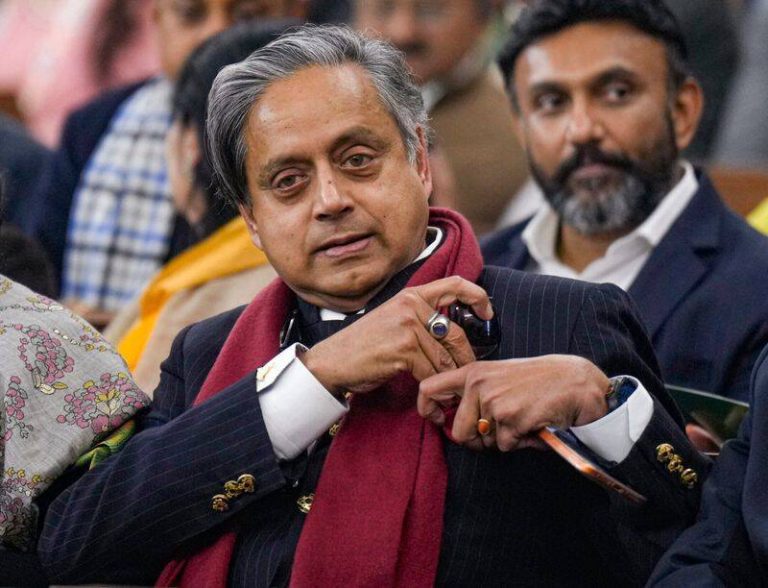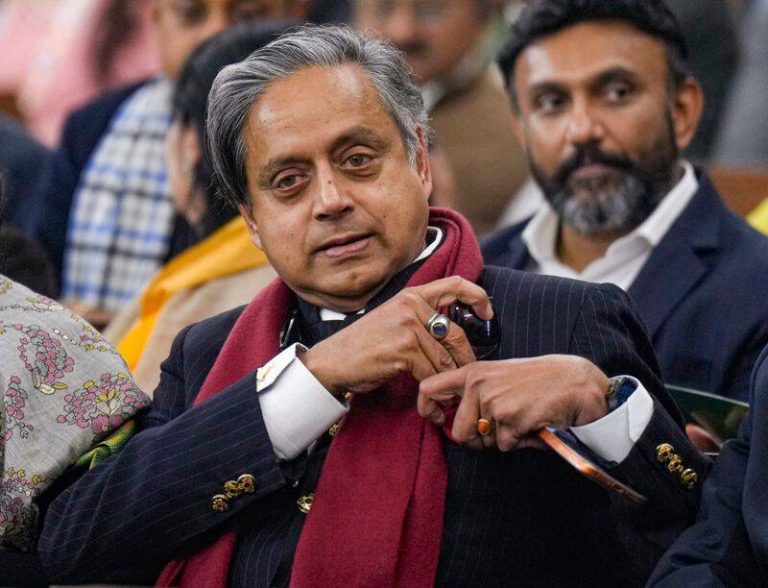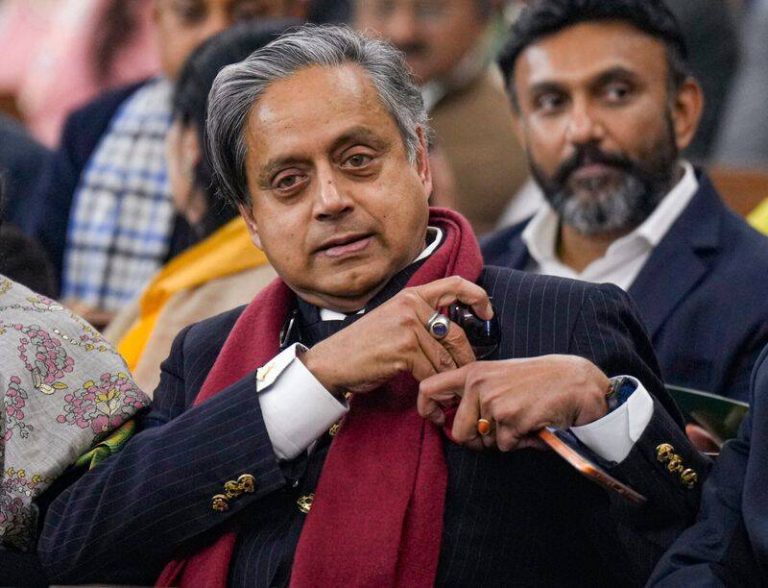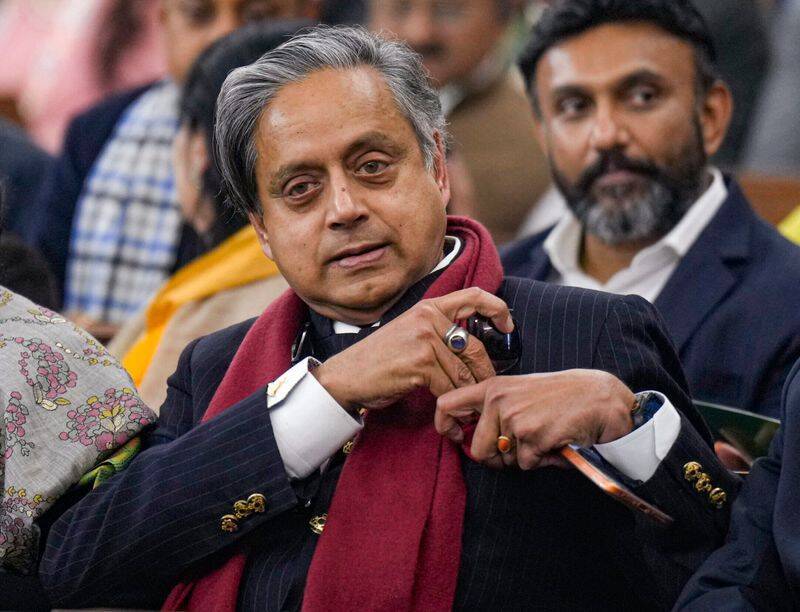
Govt did exactly what I recommended: Shashi Tharoor on Op Sindoor
In a recent statement, Congress MP Shashi Tharoor has expressed his disagreement with his party’s stance on Operation Sindoor, citing that the government’s actions were in line with his own recommendations. This statement has sparked interest and debate, with many seeking to understand the reasoning behind Tharoor’s stance. In this blog post, we will delve into the details of Operation Sindoor, Tharoor’s recommendations, and the implications of his statement.
To begin with, it is essential to understand what Operation Sindoor is and its significance in the current geopolitical context. Operation Sindoor refers to a recent military operation conducted by the Indian government, details of which are still emerging. The operation is believed to have been a response to the Pahalgam attack, which resulted in significant casualties and raised concerns about national security.
In the aftermath of the Pahalgam attack, Tharoor wrote a column outlining his thoughts on how India should respond to the situation. In the column, he recommended a course of action that he believed would be effective in addressing the security concerns and sending a strong message to those responsible for the attack. Tharoor’s recommendations were based on his analysis of the situation and his understanding of the geopolitical dynamics at play.
Now, according to Tharoor, the government has implemented the exact measures he recommended in his column. This has led to a situation where Tharoor finds himself at odds with his party’s stance on Operation Sindoor. When asked about his disagreement with the party’s stance, Tharoor stated, “How do you expect me to criticise what I myself recommended? I supported it fully.” This statement suggests that Tharoor is unapologetic about his stance and believes that his recommendations were the right course of action.
Tharoor’s statement has significant implications, both for the Congress party and for the broader discussion on national security. On one hand, it highlights the complexities of party politics, where individual members may hold differing views on specific issues. On the other hand, it underscores the importance of informed decision-making in matters of national security, where the consequences of actions can be far-reaching and devastating.
It is also worth noting that Tharoor’s statement has sparked a debate about the role of individual politicians in shaping national security policy. While some have praised Tharoor for his honesty and willingness to take a stand, others have criticised him for going against the party line. This debate raises important questions about the balance between party loyalty and individual conviction, and the extent to which politicians should be willing to challenge their party’s stance on critical issues.
In conclusion, Shashi Tharoor’s statement on Operation Sindoor has highlighted the complexities of national security decision-making and the challenges of party politics. By recommending a course of action that was subsequently implemented by the government, Tharoor has found himself at odds with his party’s stance on the issue. While his statement has sparked debate and controversy, it also underscores the importance of informed decision-making and individual conviction in matters of national security.
As the discussion on Operation Sindoor and national security continues to unfold, it is essential to consider the perspectives of all stakeholders, including politicians, policymakers, and citizens. By engaging in an open and informed debate, we can work towards a deeper understanding of the issues at play and the development of effective solutions that prioritize national security and the well-being of all citizens.
News Source: https://x.com/pradip103/status/2015265846512488667
About the Author