Common chemical used in plastics can feminise males & masculinise females, study finds
The world of plastics has been a topic of concern for environmentalists and health experts for decades. From polluting our oceans to contaminating our food, the effects of plastic waste have been well-documented. However, a recent study has shed light on a more sinister aspect of plastics: the impact of a common chemical used in their production on human development. According to a study published in the journal Communications Medicine, small amounts of Bisphenol A (BPA), a chemical compound commonly used to make plastics and in food packaging, can cause sex-specific changes in metabolism and the immune system when exposed to individuals before birth.
The study, which was conducted on mice, found that even very low doses of BPA can alter the expression of genes, leading to significant changes in the development of males and females. “Even very low doses changed how the genes were expressed. Females were masculinised and males were feminised,” said the study’s first author. This finding has significant implications for human health, as it suggests that exposure to BPA in the womb can have long-lasting effects on an individual’s development and health.
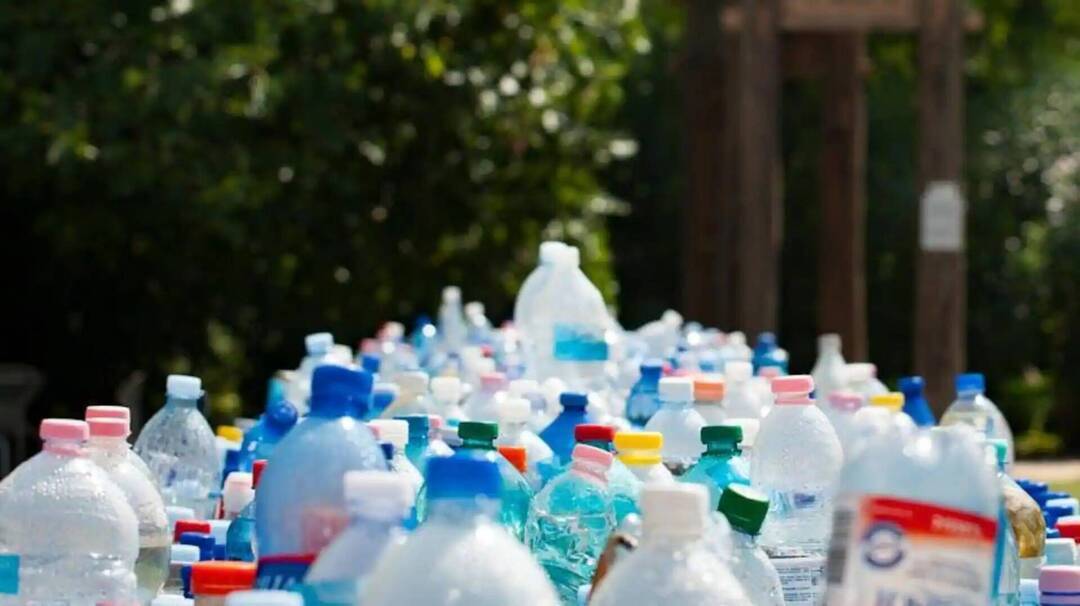
BPA is a chemical compound that is widely used in the production of plastics, including food packaging, water bottles, and other consumer products. It is also used in the lining of food cans and in some dental materials. While the use of BPA has been phased out in some countries, it is still widely used in many parts of the world. The chemical has been shown to leach into food and water, particularly when heated, and can be absorbed through the skin or ingested.
The study found that exposure to BPA before birth can cause changes in the metabolism and immune system of males and females. In females, BPA exposure was found to increase the expression of genes involved in masculine traits, such as aggression and territoriality. In males, BPA exposure was found to decrease the expression of genes involved in masculine traits, such as testosterone production. These changes can have significant effects on an individual’s development and health, particularly during critical periods of growth and development.
The findings of this study are consistent with previous research on the effects of BPA on human health. numerous studies have shown that exposure to BPA is associated with a range of health problems, including reproductive issues, cancer, and neurological disorders. The chemical has also been shown to disrupt the body’s endocrine system, which regulates hormone production and development.
The implications of this study are significant, particularly for pregnant women and young children. Exposure to BPA during critical periods of development can have long-lasting effects on an individual’s health and well-being. The study’s authors suggest that pregnant women should take steps to minimize their exposure to BPA, such as avoiding food and water packaged in plastics that contain BPA, and using glass or stainless steel containers instead.
The study also highlights the need for stricter regulations on the use of BPA in consumer products. While some countries have banned the use of BPA in certain products, such as baby bottles and sippy cups, the chemical is still widely used in many parts of the world. The study’s authors suggest that governments and regulatory agencies should take a more proactive approach to protecting public health, particularly for vulnerable populations such as pregnant women and young children.
In conclusion, the study’s findings are a stark reminder of the potential risks associated with exposure to common chemicals used in plastics. The fact that even very low doses of BPA can cause significant changes in the development of males and females is a cause for concern, particularly given the widespread use of this chemical in consumer products. As we move forward, it is essential that we take a more proactive approach to protecting public health, particularly for vulnerable populations. This includes stricter regulations on the use of BPA and other chemicals, as well as education and awareness campaigns to inform consumers about the potential risks associated with these chemicals.
About the Author