Maharashtra minister Bhujbal discharged in money laundering case
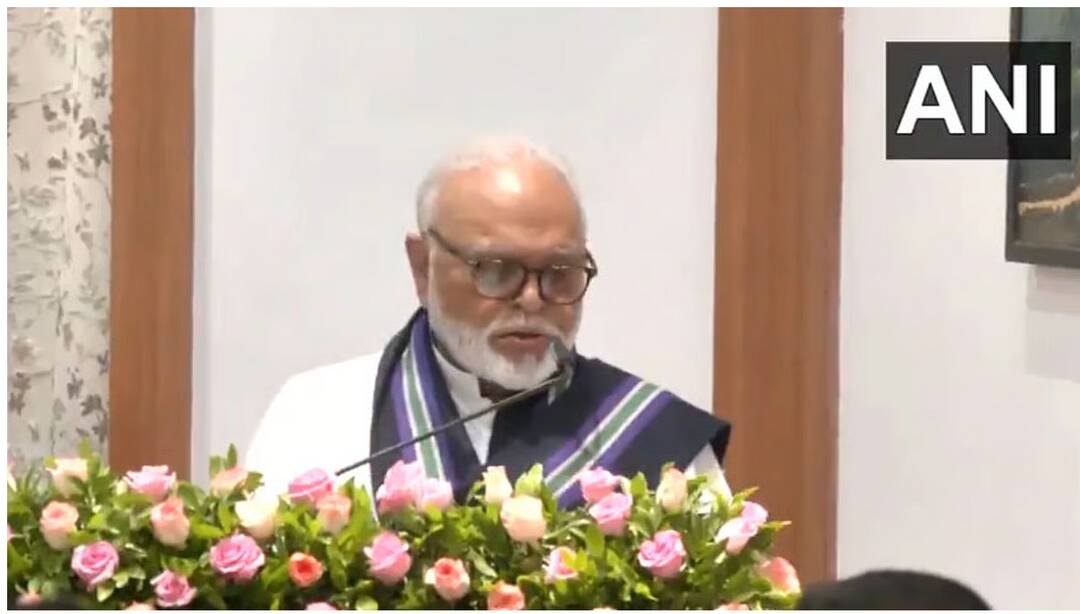
In a significant development, Maharashtra minister and senior NCP leader Chhagan Bhujbal, his son Pankaj, and nephew Sameer have been discharged in a money laundering case related to the alleged multi-crore Maharashtra Sadan scam. The court’s decision has brought relief to the Bhujbal family, who have been facing allegations of corruption and money laundering for several years.
The case against the Bhujbals was related to the construction of the Maharashtra Sadan, a residential complex for Maharashtra government officials in Delhi. The project was initiated during Chhagan Bhujbal’s tenure as the Public Works Department (PWD) minister in the Maharashtra government. The allegations against the Bhujbals included claims of corruption, favoritism, and money laundering in the construction of the project.
However, in a detailed judgment, the court has discharged all the accused, including Chhagan Bhujbal, his son Pankaj, and nephew Sameer. The court’s decision was based on the fact that there was no generation of proceeds of crime, which is a essential ingredient for prosecuting someone under the Prevention of Money Laundering Act (PMLA).
The court observed that to prosecute someone under PMLA without the generation of proceeds of crime is like “a tree without roots.” The judgment highlights the importance of establishing the generation of proceeds of crime in money laundering cases. The court’s decision is a significant setback for the prosecution, which had been pursuing the case against the Bhujbals for several years.
The discharge of the Bhujbals has sparked a debate about the effectiveness of the PMLA in tackling corruption and money laundering. While the law has been instrumental in prosecuting several high-profile cases, its limitations have also been exposed. The judgment in the Bhujbal case highlights the need for the prosecution to establish a clear link between the accused and the generation of proceeds of crime.
The Bhujbal family has welcomed the court’s decision, describing it as a “victory of truth.” Chhagan Bhujbal, who is currently a minister in the Maharashtra government, has maintained that he and his family members are innocent and have been falsely implicated in the case. The discharge of the Bhujbals is likely to have significant political implications, particularly in Maharashtra, where the NCP is a key player in the state government.
The case against the Bhujbals was filed by the Enforcement Directorate (ED) in 2016, following allegations of corruption and money laundering in the construction of the Maharashtra Sadan. The ED had alleged that the Bhujbals had used their influence to secure contracts for the project and had laundered money through various shell companies.
However, the court’s judgment has raised questions about the ED’s investigation and the evidence it had gathered against the Bhujbals. The discharge of the accused has also highlighted the need for the ED to revisit its investigation and gather more evidence to establish the generation of proceeds of crime.
In conclusion, the discharge of Chhagan Bhujbal, his son Pankaj, and nephew Sameer in the money laundering case related to the Maharashtra Sadan scam is a significant development. The court’s judgment highlights the importance of establishing the generation of proceeds of crime in money laundering cases and raises questions about the effectiveness of the PMLA in tackling corruption and money laundering. The case is likely to have significant political implications, particularly in Maharashtra, and has sparked a debate about the need for more effective laws and investigation techniques to tackle corruption and money laundering.
About the Author