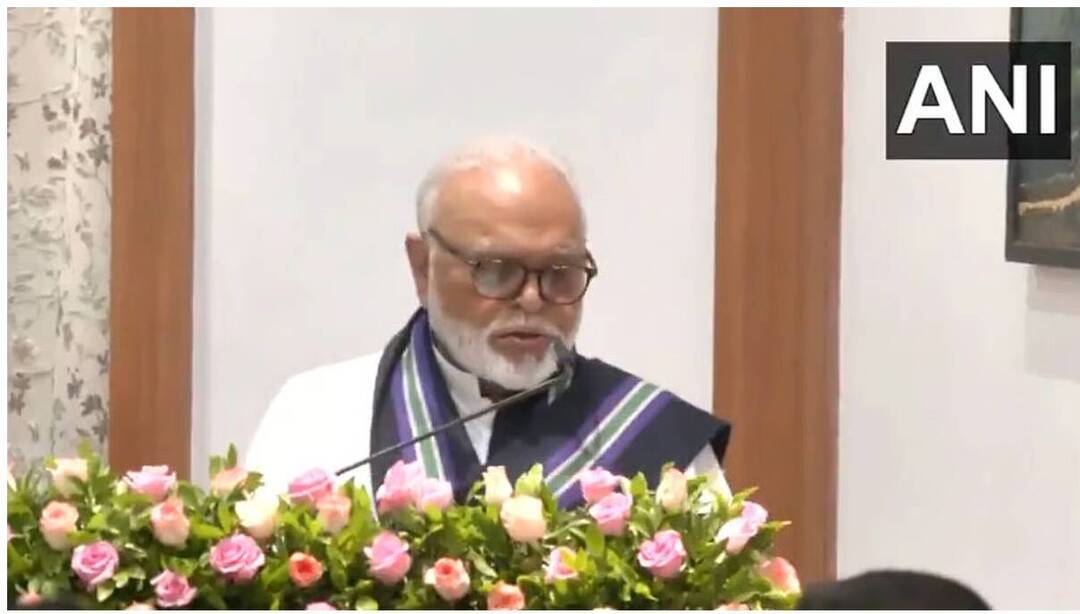
Maharashtra minister Bhujbal discharged in money laundering case
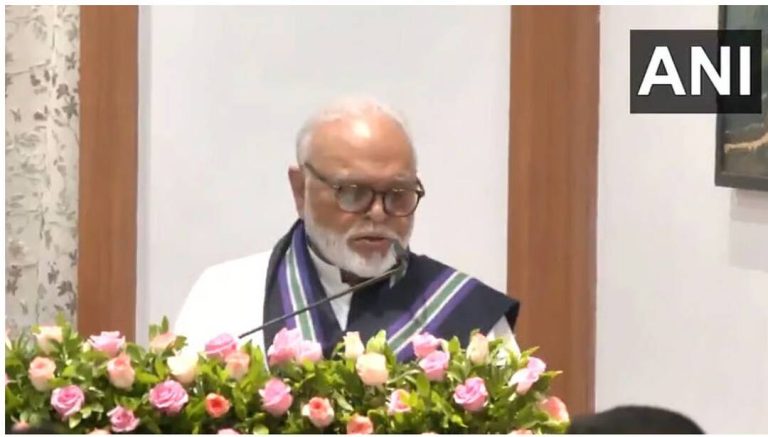
In a significant development, Maharashtra minister and senior NCP leader Chhagan Bhujbal, his son Pankaj, and nephew Sameer have been discharged in a money laundering case related to the alleged multi-crore Maharashtra Sadan scam. The discharge order was passed by a special court in Mumbai, which observed that there was no generation of proceeds of crime, a crucial element required to prosecute someone under the Prevention of Money Laundering Act (PMLA).
The Maharashtra Sadan scam had made headlines in 2015, when allegations surfaced that Chhagan Bhujbal, who was then the Public Works Department (PWD) minister, had misused his official position to award contracts for the construction of the Maharashtra Sadan building in Delhi to a company owned by his relatives. The contracts were allegedly awarded at inflated rates, causing a loss of several crores to the state exchequer. The Enforcement Directorate (ED) had launched an investigation into the allegations and had filed a case against Bhujbal, his son Pankaj, and nephew Sameer under the PMLA.
However, in a major setback to the ED, the special court has now discharged all the accused, including Chhagan Bhujbal, Pankaj, and Sameer. The court observed that the ED had failed to establish that the accused had generated any proceeds of crime, which is a essential ingredient for prosecuting someone under the PMLA. The court noted that the ED’s case was based on mere suspicion and conjecture, and that there was no concrete evidence to support the allegations.
Discharging the accused, the court said that to prosecute them under the PMLA without establishing the generation of proceeds of crime would be like “a tree without roots.” The court’s order is a significant blow to the ED, which had been investigating the case for several years. The discharge order also raises questions about the effectiveness of the ED’s investigation and the quality of evidence collected by the agency.
The Maharashtra Sadan scam had been a major embarrassment for the Maharashtra government, and the discharge of Chhagan Bhujbal and his relatives is likely to be seen as a major victory for the NCP leader. Bhujbal had maintained that the allegations against him were false and had been leveled by his political opponents. The discharge order is also likely to have implications for the political landscape in Maharashtra, where the NCP is a key player in the ruling coalition.
The case had been widely reported in the media, and the discharge order is likely to generate a lot of debate and discussion. While the ED may appeal against the discharge order, the court’s observations about the lack of evidence and the failure to establish the generation of proceeds of crime are likely to make it difficult for the agency to secure a conviction.
In conclusion, the discharge of Chhagan Bhujbal, Pankaj, and Sameer in the money laundering case related to the Maharashtra Sadan scam is a significant development that is likely to have major implications for the political landscape in Maharashtra. The court’s order highlights the importance of establishing the generation of proceeds of crime in money laundering cases and the need for the ED to collect concrete evidence to support its allegations.
About the Author