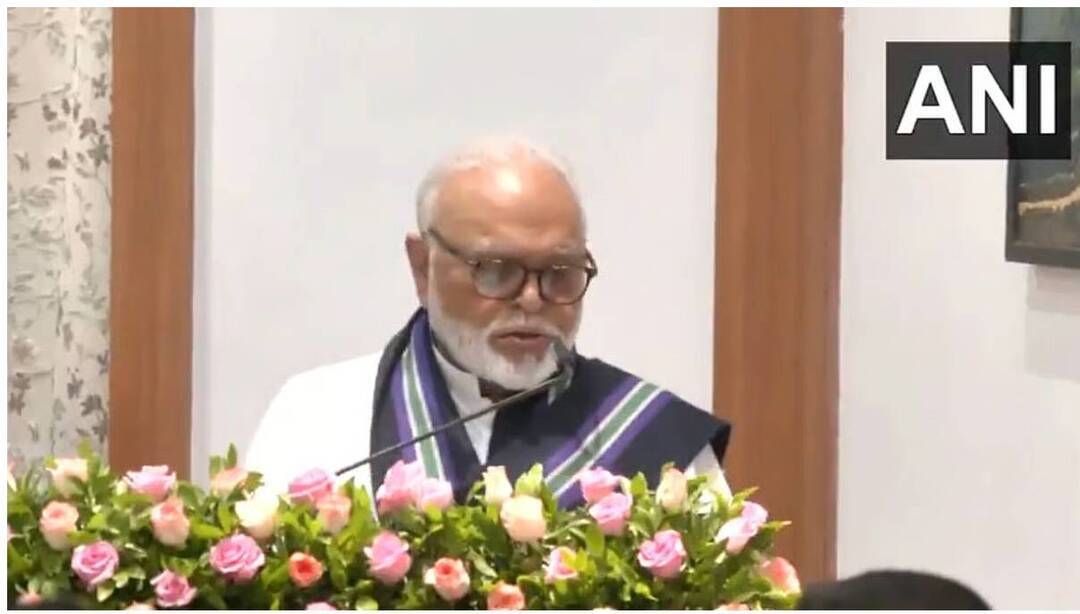
Maharashtra minister Bhujbal discharged in money laundering case
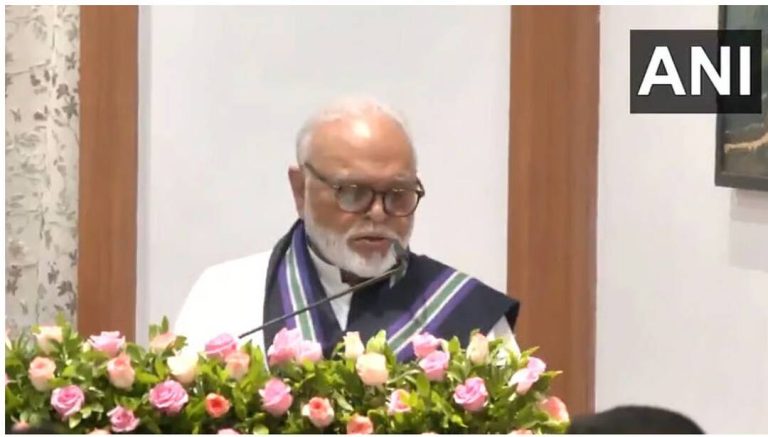
In a significant development, Maharashtra minister and senior NCP leader Chhagan Bhujbal, his son Pankaj, and nephew Sameer have been discharged in a money laundering case related to the alleged multi-crore Maharashtra Sadan scam. The court’s decision has brought relief to the Bhujbal family, who have been facing allegations of corruption and money laundering for several years.
The case against the Bhujbals was filed by the Enforcement Directorate (ED) under the Prevention of Money Laundering Act (PMLA). The ED had alleged that the Bhujbals had laundered money to the tune of several crores, which were generated through corrupt means, including the Maharashtra Sadan scam. However, the court has now ruled that there is no evidence to support these allegations, and that the prosecution’s case against the Bhujbals is weak.
Discharging all of them, the court said that there was no generation of proceeds of crime and to prosecute them under PMLA without it is like “a tree without roots.” This ruling is a significant setback for the ED, which had been investigating the Bhujbals for several years. The ED had alleged that the Bhujbals had used their influence and power to launder money and accumulate wealth, but the court has now ruled that these allegations are unfounded.
The Maharashtra Sadan scam refers to the alleged irregularities in the construction of the Maharashtra Sadan, a building complex in Delhi that serves as a guest house for Maharashtra government officials. The scam came to light in 2015, when it was alleged that the construction of the complex had been awarded to a company without following proper procedures, and that several crores of rupees had been siphoned off by the company.
The Bhujbals were accused of being involved in the scam, with allegations that they had used their influence to secure the contract for the company, and that they had received kickbacks in return. However, the court’s ruling suggests that these allegations are unfounded, and that there is no evidence to support the claim that the Bhujbals were involved in any wrongdoing.
The discharge of the Bhujbals in the money laundering case is a significant development, not just for the family, but also for the NCP, which has been facing allegations of corruption and nepotism for several years. The party has been under pressure to take action against its leaders who have been accused of corruption, and the court’s ruling is likely to be seen as a vindication of the party’s stance that its leaders are innocent until proven guilty.
The case against the Bhujbals is not the only one that has been filed against NCP leaders in recent years. Several other leaders of the party have also been accused of corruption and money laundering, and the party has been under pressure to take action against them. However, the party has maintained that its leaders are innocent, and that the allegations against them are baseless.
The court’s ruling in the Bhujbal case is likely to have significant implications for the NCP, which is already facing a tough battle in the upcoming state elections. The party has been struggling to regain its lost ground, and the court’s ruling is likely to be seen as a boost to its morale. However, the party will still need to address the allegations of corruption and nepotism that have been leveled against it, and to take steps to restore its image and credibility.
In conclusion, the discharge of Maharashtra minister Chhagan Bhujbal, his son Pankaj, and nephew Sameer in the money laundering case related to the alleged multi-crore Maharashtra Sadan scam is a significant development that has brought relief to the Bhujbal family and the NCP. The court’s ruling suggests that there is no evidence to support the allegations of corruption and money laundering against the Bhujbals, and that the prosecution’s case against them is weak. The ruling is likely to have significant implications for the NCP, which is already facing a tough battle in the upcoming state elections.
About the Author