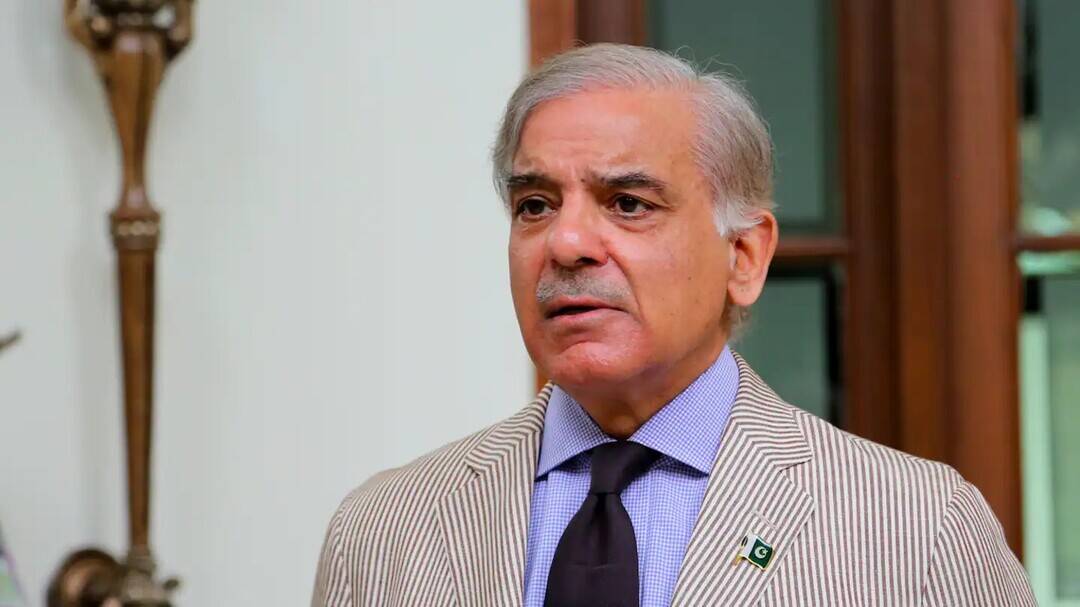
Pakistan supports terror, not welcome in Gaza: Israel after Pak joins Trump’s ‘Board of Peace’
In a recent development, Israel’s Economy Minister Nir Barkat has made it clear that Pakistan is not welcome in Gaza, citing the country’s alleged support for terrorism. This statement comes after Pakistan joined US President Donald Trump’s ‘Board of Peace’ for Gaza, a move that has been met with skepticism by Israel. According to Barkat, any country that supports terror is not welcome in Gaza, and that includes Pakistan.
The ‘Board of Peace’ is an initiative by the Trump administration to promote peace and economic development in the Gaza region. The board aims to bring together various countries and stakeholders to discuss and implement economic projects that can help improve the living conditions of the people in Gaza. However, Israel’s response to Pakistan’s inclusion in the board has been less than welcoming.
Barkat’s statement is a clear indication of the tensions that exist between Israel and Pakistan. The two countries have had a complex relationship over the years, with Pakistan being a vocal supporter of the Palestinian cause. Israel, on the other hand, has been critical of Pakistan’s alleged support for terrorist groups, including those operating in the Gaza region.
It is worth noting that Pakistan’s decision to join the ‘Board of Peace’ was seen as a significant move by many observers. The country’s participation in the initiative was announced by US President Donald Trump, who praised Pakistan’s commitment to promoting peace and stability in the region. However, Israel’s response to Pakistan’s inclusion in the board has raised questions about the effectiveness of the initiative.
Despite his criticism of Pakistan, Barkat was quick to express his support for the Trump administration’s peace framework. According to him, the framework is a “better alternative than the UN, which is biased.” Barkat’s statement reflects Israel’s long-standing criticism of the United Nations, which it believes is biased against the country. The UN has been a key player in promoting peace and stability in the Middle East, but its efforts have often been met with skepticism by Israel.
The Trump administration’s peace framework is a significant departure from the traditional approaches to promoting peace in the Middle East. The framework focuses on economic development and cooperation, rather than solely on political negotiations. According to the Trump administration, the framework is designed to promote peace and stability in the region by creating economic opportunities and improving living conditions.
However, the framework has been met with skepticism by many observers, who believe that it does not adequately address the core issues that have driven the conflict in the Middle East. The framework’s focus on economic development has been criticized for ignoring the political and humanitarian aspects of the conflict. Moreover, the framework’s reliance on external investment and aid has raised questions about its sustainability and effectiveness.
In the context of Pakistan’s inclusion in the ‘Board of Peace’, it is clear that the country’s participation is seen as a significant move by the Trump administration. However, Israel’s response to Pakistan’s inclusion in the board has raised questions about the effectiveness of the initiative. The tensions between Israel and Pakistan are a significant obstacle to promoting peace and stability in the region, and it remains to be seen how the Trump administration’s peace framework will address these tensions.
In conclusion, the recent developments surrounding Pakistan’s inclusion in the ‘Board of Peace’ have highlighted the complexities of promoting peace and stability in the Middle East. The Trump administration’s peace framework is a significant departure from traditional approaches, but it faces significant challenges, including the tensions between Israel and Pakistan. As the situation continues to evolve, it remains to be seen how the framework will address these challenges and promote peace and stability in the region.
About the Author