Maharashtra minister Bhujbal discharged in money laundering case
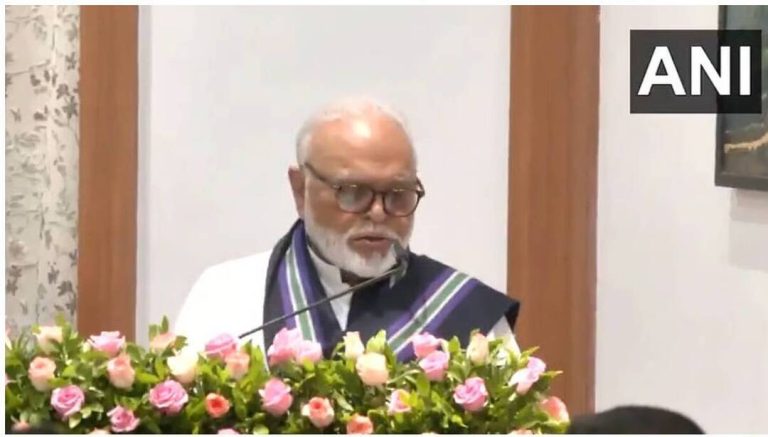
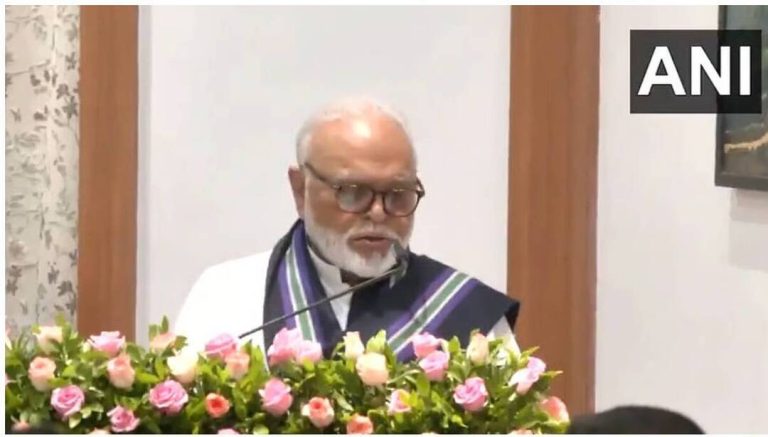
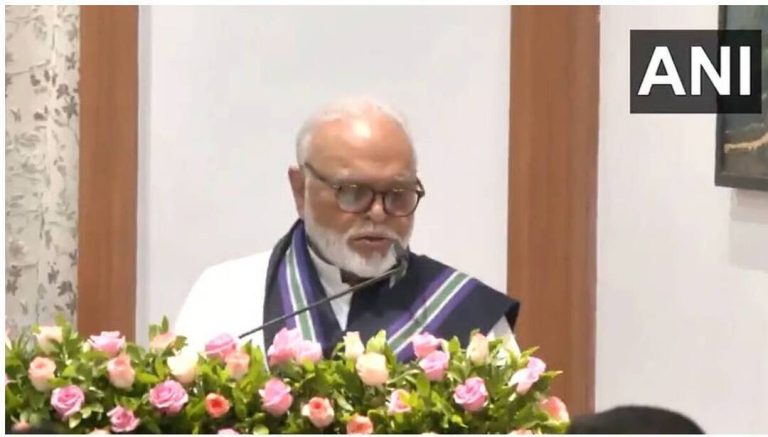
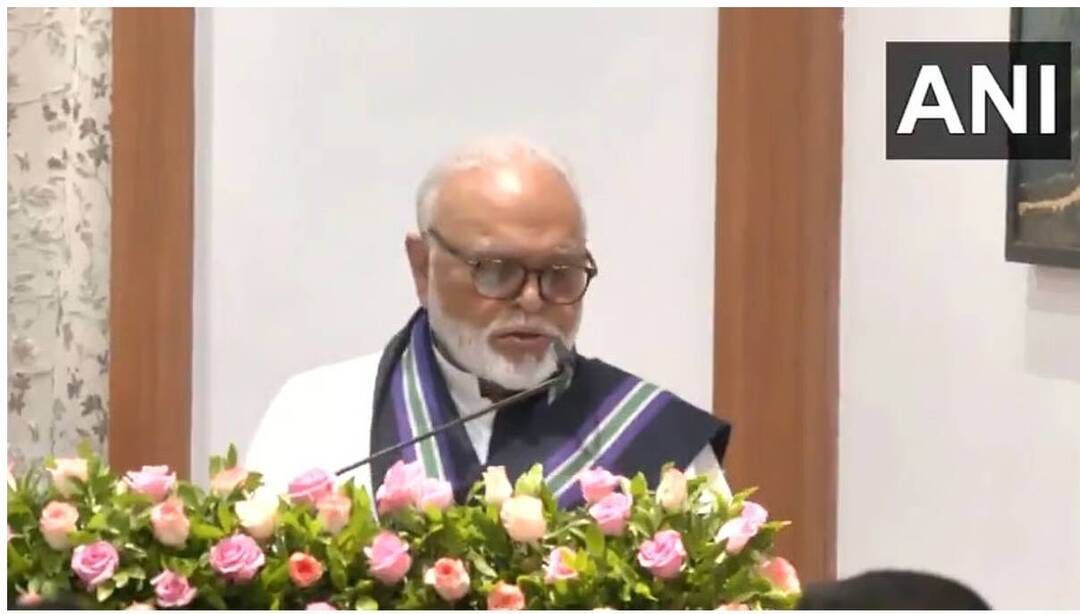
In a significant development, Maharashtra minister and senior NCP leader Chhagan Bhujbal, his son Pankaj, and nephew Sameer have been discharged in a money laundering case related to the alleged multi-crore Maharashtra Sadan scam. The court’s decision has brought relief to the Bhujbal family, who have been facing allegations of corruption and money laundering for several years.
The case against the Bhujbals was filed by the Enforcement Directorate (ED) under the Prevention of Money Laundering Act (PMLA). The ED had alleged that the Bhujbals had laundered money to the tune of several crores of rupees, which was generated through corrupt means, including the Maharashtra Sadan scam. However, the court has now ruled that there was no generation of proceeds of crime, which is a essential ingredient for prosecuting someone under the PMLA.
Discharging all of them, the court said that to prosecute them under PMLA without the generation of proceeds of crime is like “a tree without roots.” The court’s observation highlights the importance of establishing the generation of proceeds of crime in money laundering cases. The PMLA is a stringent law that aims to prevent and punish money laundering, but it requires the prosecution to establish that the accused has generated proceeds of crime through illegal means.
The Maharashtra Sadan scam refers to the alleged irregularities in the construction of the Maharashtra Sadan, a state government building in Delhi. The scam came to light in 2015, when it was alleged that the contractor who was awarded the contract for the construction of the building had paid kickbacks to several politicians, including Chhagan Bhujbal, who was then the Public Works Department (PWD) minister. The ED had registered a case against the Bhujbals and several others, alleging that they had laundered money generated through the scam.
The discharge of the Bhujbals in the money laundering case is a significant setback for the ED, which had been investigating the case for several years. The ED had alleged that the Bhujbals had used the laundered money to purchase several properties, including a luxurious hotel in Mumbai. However, the court has now ruled that there is no evidence to establish that the Bhujbals had generated proceeds of crime.
The Bhujbal family has maintained that they are innocent and that the allegations against them are politically motivated. Chhagan Bhujbal has been a senior leader of the Nationalist Congress Party (NCP) and has held several important portfolios in the Maharashtra government, including the PWD and tourism ministries. His son Pankaj is also a politician and has been a member of the Maharashtra Legislative Assembly.
The discharge of the Bhujbals in the money laundering case has significant implications for the NCP, which is a key ally of the ruling Shiv Sena-Congress coalition in Maharashtra. The NCP has been facing several corruption allegations, including the irrigation scam and the Maharashtra Sadan scam. The party has maintained that the allegations are politically motivated and that its leaders are innocent.
In conclusion, the discharge of Maharashtra minister Chhagan Bhujbal, his son Pankaj, and nephew Sameer in the money laundering case related to the Maharashtra Sadan scam is a significant development. The court’s decision highlights the importance of establishing the generation of proceeds of crime in money laundering cases. The case has significant implications for the NCP and the Maharashtra government, and it remains to be seen how the ED will respond to the court’s decision.
About the Author