FDI inflows to India surge by 73% to $47 billion in 2025
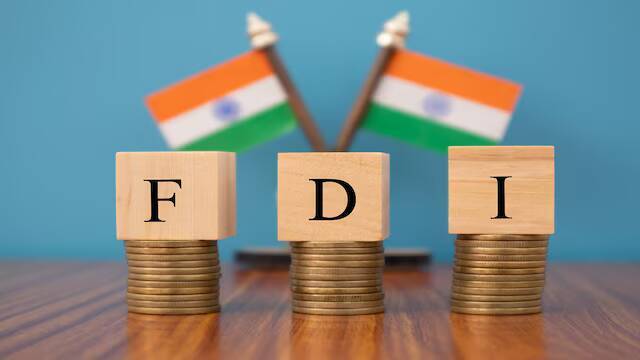
The Indian economy has received a significant boost with the inflow of Foreign Direct Investment (FDI) surging by 73% to $47 billion in 2025, according to a report by the UN Trade and Development. This substantial increase in FDI inflows is a testament to India’s growing appeal as a preferred investment destination for foreign investors. The report highlights that the increase was driven by large investments in services like finance and IT, as well as manufacturing, which have been the key sectors attracting foreign investment.
The significant surge in FDI inflows to India is a welcome development, especially when compared to other major economies. In contrast, FDI inflows to China declined for the third consecutive year, falling by 8%. This decline in FDI inflows to China can be attributed to various factors, including a slowing economy, trade tensions, and increased regulatory scrutiny. On the other hand, India’s strong economic fundamentals, favorable business environment, and government initiatives to promote foreign investment have contributed to the significant increase in FDI inflows.
The services sector, which includes finance, IT, and other business services, has been a major driver of FDI inflows to India. The country’s large and growing market, combined with its highly skilled and cost-competitive workforce, has made it an attractive destination for foreign investors looking to establish or expand their services operations. The IT sector, in particular, has been a significant beneficiary of FDI inflows, with many global companies setting up their operations in India to take advantage of the country’s expertise in software development, data analytics, and other IT-enabled services.
Manufacturing has also been a key sector attracting FDI inflows to India. The government’s “Make in India” initiative, launched in 2014, has been successful in promoting India as a manufacturing hub, with many foreign companies investing in the country’s automotive, pharmaceutical, and textiles sectors. The government’s efforts to improve the business environment, simplify regulatory procedures, and provide incentives for foreign investment have also contributed to the increase in FDI inflows to the manufacturing sector.
The surge in FDI inflows to India is expected to have a positive impact on the country’s economic growth, employment, and trade balance. FDI inflows can bring in new technologies, management practices, and capital, which can help to increase productivity, competitiveness, and economic growth. Additionally, FDI can create new job opportunities, both directly and indirectly, and help to reduce poverty and income inequality.
The Indian government has been actively promoting foreign investment through various initiatives, including the establishment of special economic zones (SEZs), industrial corridors, and investment promotion agencies. The government has also introduced several policy reforms, such as the relaxation of FDI norms in various sectors, to make it easier for foreign companies to invest in India.
In recent years, India has emerged as a major destination for FDI, with many global companies investing in the country’s growing consumer market, infrastructure, and industrial sectors. The country’s large and growing middle class, combined with its favorable demographic profile, has made it an attractive destination for foreign investors looking to tap into the Indian market.
The UN Trade and Development report highlights that FDI inflows to India have been increasing steadily over the past few years, with the country emerging as one of the top FDI destinations in the world. The report also notes that India’s FDI inflows are expected to continue growing in the coming years, driven by the country’s strong economic fundamentals, favorable business environment, and government initiatives to promote foreign investment.
In conclusion, the surge in FDI inflows to India is a significant development that is expected to have a positive impact on the country’s economic growth, employment, and trade balance. The government’s efforts to promote foreign investment, combined with the country’s strong economic fundamentals and favorable business environment, have made India an attractive destination for foreign investors. As the Indian economy continues to grow and evolve, it is likely that FDI inflows will play an increasingly important role in driving economic growth, creating jobs, and promoting development.
News Source: https://www.ndtvprofit.com/economy/indias-fdi-inflows-surge-74-to-47-billion-un-data-10864485/amp/1
About the Author