Maharashtra minister Bhujbal discharged in money laundering case
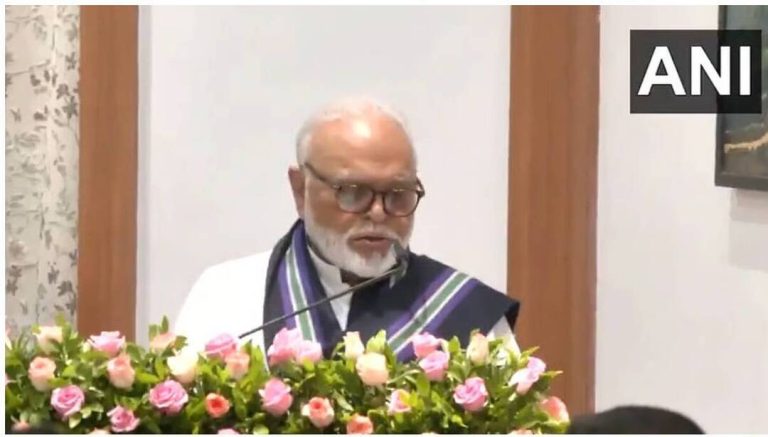
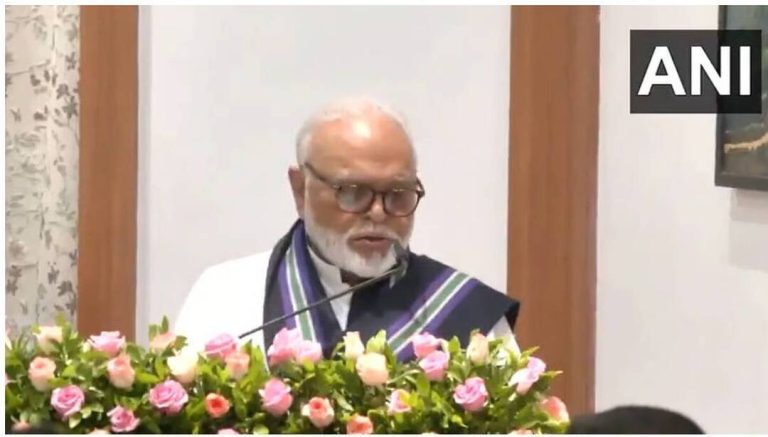
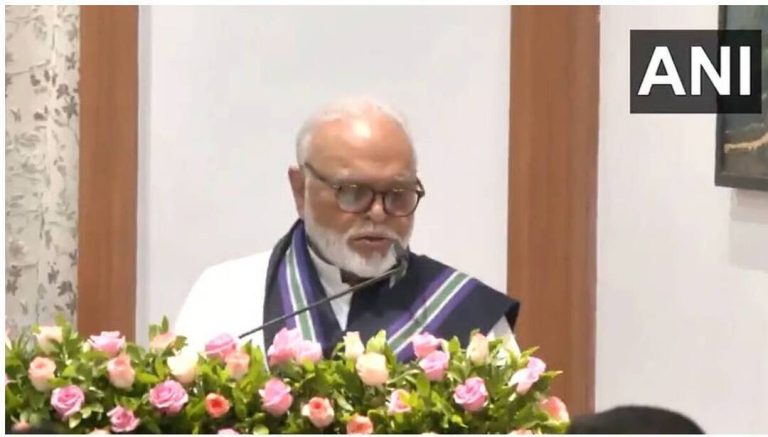
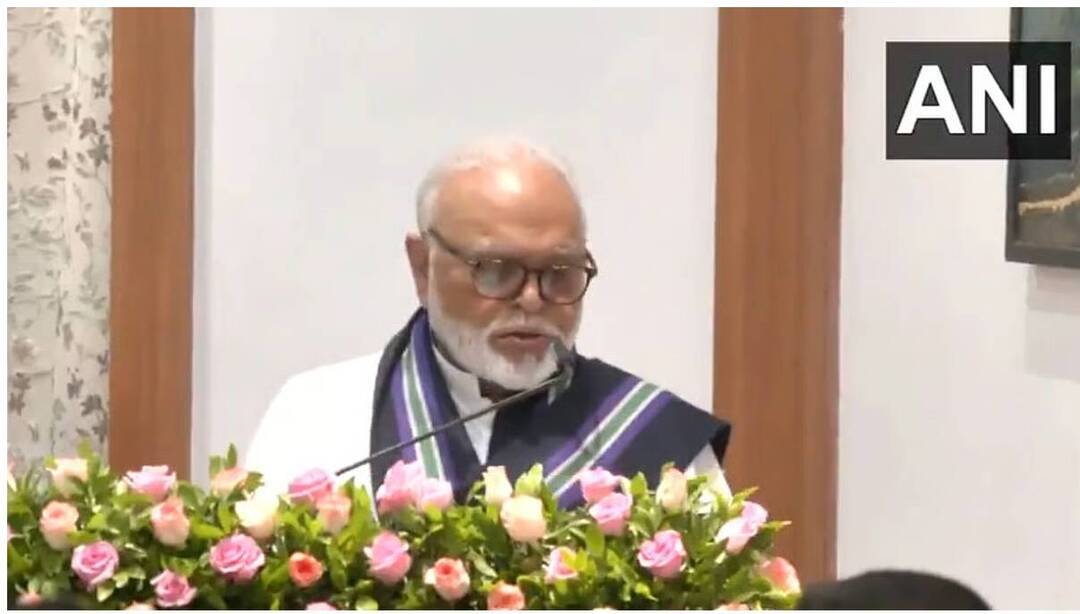
In a significant development, Maharashtra minister and senior NCP leader Chhagan Bhujbal, his son Pankaj, and nephew Sameer have been discharged in a money laundering case related to the alleged multi-crore Maharashtra Sadan scam. The court’s decision has brought relief to the Bhujbal family, who have been embroiled in the case for several years. The discharge of the Bhujbals is a major setback for the investigating agencies, who had been probing the case since 2015.
The Maharashtra Sadan scam pertains to the alleged irregularities in the construction of the Maharashtra Sadan building in Delhi, which was built during Bhujbal’s tenure as the Public Works Department (PWD) minister in the Congress-NCP government. The project was initially estimated to cost around Rs 50 crore, but the final cost escalated to over Rs 150 crore, leading to allegations of corruption and money laundering.
The Enforcement Directorate (ED) had filed a case against Bhujbal and his family members under the Prevention of Money Laundering Act (PMLA) in 2016. The ED had alleged that Bhujbal and his family members had laundered money to the tune of Rs 800 crore, which was generated through the scam. However, the court has now ruled that there was no generation of proceeds of crime, which is a essential ingredient for prosecuting someone under the PMLA.
Discharging all of them, the court said that to prosecute them under PMLA without the generation of proceeds of crime is like “a tree without roots.” The court’s observation highlights the importance of establishing the generation of proceeds of crime in money laundering cases. The PMLA is a stringent law that aims to prevent and punish money laundering, but it requires the investigating agencies to establish a clear link between the accused and the generation of proceeds of crime.
The discharge of the Bhujbals is a significant development, as it comes at a time when the NCP is preparing for the upcoming state assembly elections. The party has been facing several challenges, including infighting and corruption allegations, and the discharge of Bhujbal is likely to boost the party’s morale.
The Maharashtra Sadan scam had led to a major controversy in the state, with the opposition parties demanding Bhujbal’s resignation. The scam had also led to a rift within the NCP, with some leaders demanding action against Bhujbal. However, the party had stood by Bhujbal, and his discharge is likely to reinforce his position within the party.
The discharge of the Bhujbals also raises questions about the effectiveness of the investigating agencies in probing corruption cases. The ED had spent several years investigating the case, but the court has now ruled that there was no generation of proceeds of crime. The development highlights the need for the investigating agencies to be more thorough and meticulous in their investigations, especially in high-profile cases.
In conclusion, the discharge of Maharashtra minister Chhagan Bhujbal, his son Pankaj, and nephew Sameer in the money laundering case related to the Maharashtra Sadan scam is a significant development. The court’s decision has brought relief to the Bhujbal family, but it also raises questions about the effectiveness of the investigating agencies. The development is likely to have implications for the upcoming state assembly elections, and it will be interesting to see how the NCP and the opposition parties react to the court’s decision.
About the Author