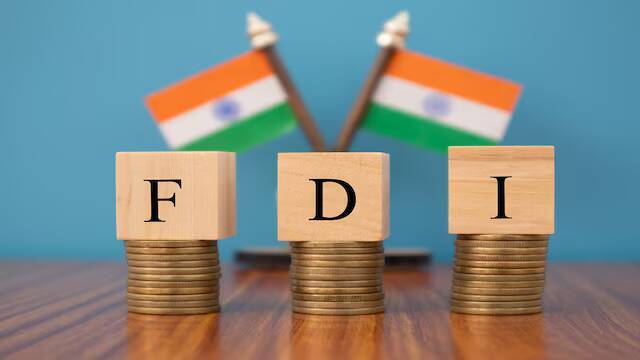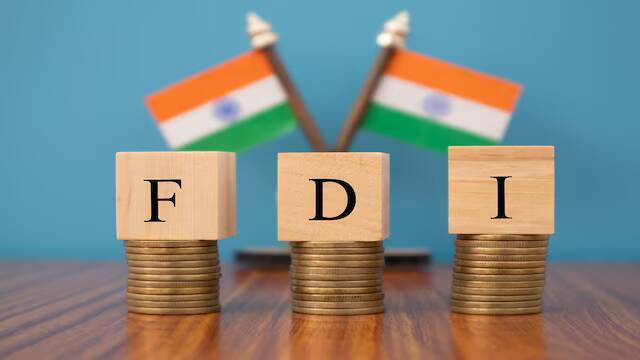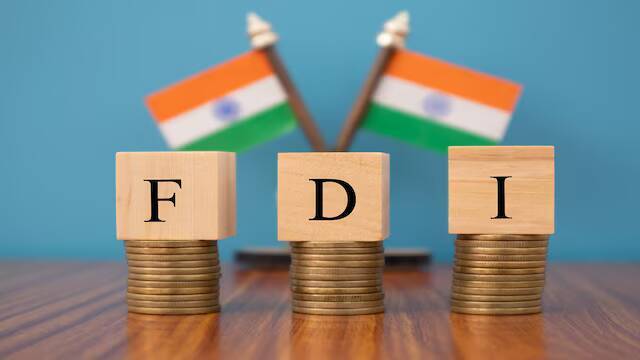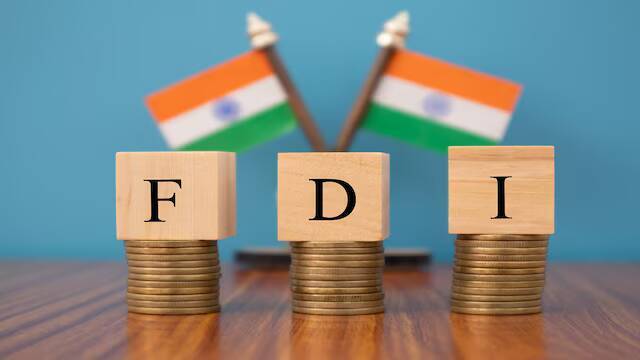
FDI inflows to India surge by 73% to $47 billion in 2025
The Indian economy has received a significant boost with the inflow of Foreign Direct Investment (FDI) surging by 73% to $47 billion in 2025, according to a report by the UN Trade and Development. This remarkable increase is a testament to the country’s growing appeal as a viable investment destination, driven by large investments in services like finance and IT, as well as manufacturing. The FDI inflows to India have been on an upward trajectory, and this latest development is expected to have a positive impact on the country’s economic growth and development.
The report highlights that the increase in FDI inflows to India was largely driven by investments in the services sector, which accounted for a significant portion of the total FDI inflows. The finance and IT sectors, in particular, attracted significant investments, with many international companies setting up operations in India to take advantage of the country’s skilled workforce and favorable business environment. The manufacturing sector also saw a significant increase in FDI inflows, with many companies investing in the production of goods such as automobiles, electronics, and pharmaceuticals.
The surge in FDI inflows to India is a significant development, especially when compared to other major economies. The FDI inflows to China, for example, declined for the third consecutive year, falling by 8%. This decline is attributed to a combination of factors, including a slowing economy, rising labor costs, and increasing competition from other countries. The decline in FDI inflows to China has been a trend in recent years, and it is expected to continue in the coming years.
In contrast, India has been able to attract significant FDI inflows due to its favorable business environment, skilled workforce, and large market. The country has implemented a number of policies and reforms aimed at attracting foreign investment, including the easing of FDI norms, the introduction of a goods and services tax (GST), and the development of infrastructure such as roads, ports, and airports. These efforts have paid off, with India emerging as one of the most attractive destinations for foreign investment.
The increase in FDI inflows to India is expected to have a positive impact on the country’s economy. FDI is an important source of capital for any country, and it can play a significant role in promoting economic growth and development. FDI can bring in new technologies, management skills, and marketing expertise, which can help to improve the competitiveness of Indian companies and increase their exports. FDI can also create new job opportunities, both directly and indirectly, and can help to increase the country’s foreign exchange reserves.
The surge in FDI inflows to India is also a testament to the country’s growing appeal as a hub for international trade and investment. India has been actively promoting itself as a viable alternative to China, and the latest FDI data suggests that this strategy is paying off. The country’s large market, skilled workforce, and favorable business environment make it an attractive destination for foreign investors, and it is expected to continue to attract significant FDI inflows in the coming years.
In addition to the services and manufacturing sectors, India is also expected to attract significant FDI inflows in the renewable energy sector. The country has set ambitious targets for the development of renewable energy, and it is expected to attract significant investments in this sector in the coming years. The government has implemented a number of policies and incentives to promote the development of renewable energy, including tax breaks, subsidies, and other forms of support.
The increase in FDI inflows to India is also expected to have a positive impact on the country’s infrastructure development. FDI can play a significant role in promoting the development of infrastructure such as roads, ports, and airports, which are essential for the growth and development of any economy. The government has identified infrastructure development as a key priority, and it is expected to attract significant FDI inflows in this sector in the coming years.
In conclusion, the surge in FDI inflows to India is a significant development that is expected to have a positive impact on the country’s economy. The increase in FDI inflows is a testament to the country’s growing appeal as a viable investment destination, driven by large investments in services like finance and IT, as well as manufacturing. The decline in FDI inflows to China, on the other hand, highlights the challenges faced by the Chinese economy and the need for the country to reform its business environment and attract more foreign investment.
As India continues to attract significant FDI inflows, it is essential for the government to ensure that the country’s business environment remains favorable and that the necessary infrastructure is in place to support the growth and development of foreign companies. The government must also ensure that the benefits of FDI are shared equitably among all sections of society, and that the country’s economic growth and development are sustainable and inclusive.
Source: https://www.ndtvprofit.com/economy/indias-fdi-inflows-surge-74-to-47-billion-un-data-10864485/amp/1
About the Author