Pakistan supports terror, not welcome in Gaza: Israel after Pak joins Trump’s ‘Board of Peace’
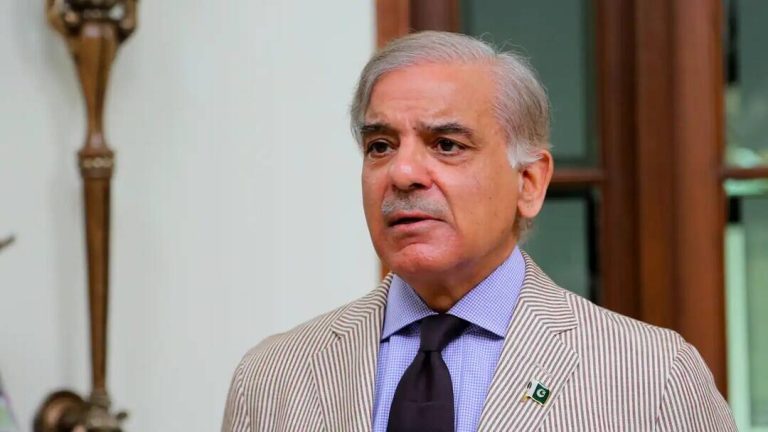
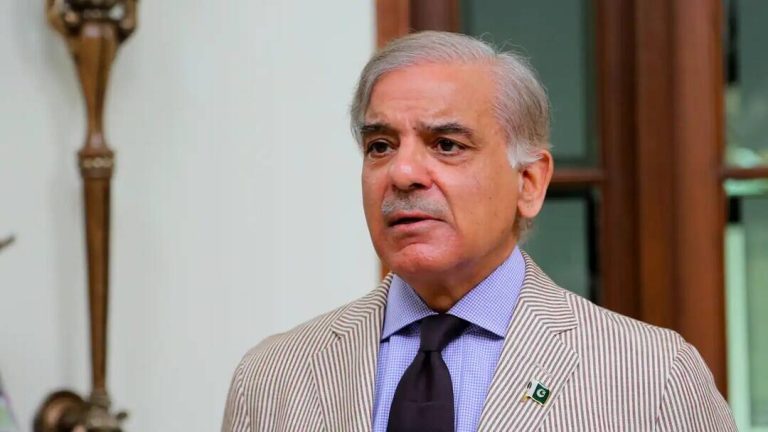
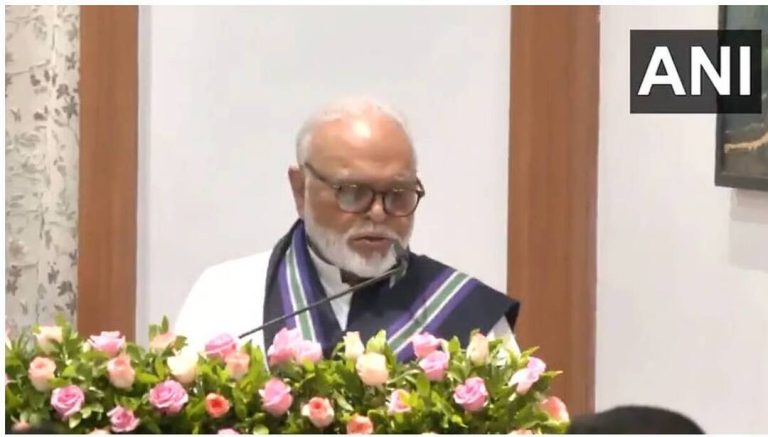
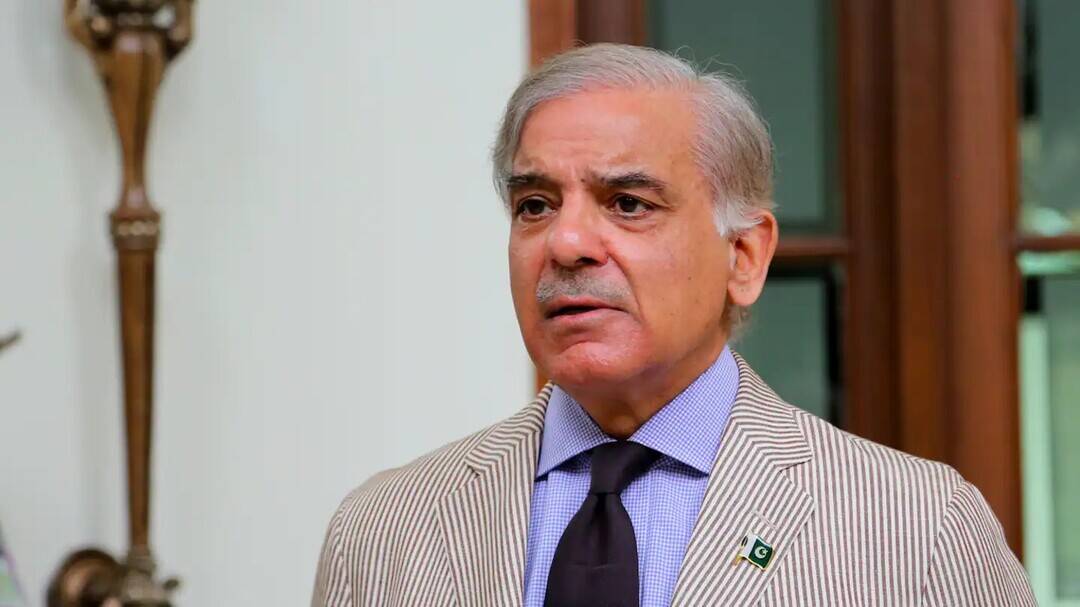
In a recent development, Pakistan has joined US President Donald Trump’s ‘Board of Peace’ for Gaza, a move that has been met with strong opposition from Israel. Israel’s Economy Minister, Nir Barkat, has made it clear that any country that supports terror is not welcome in Gaza, and that includes Pakistan. This statement comes after Pakistan’s Prime Minister, Shehbaz Sharif, joined Trump’s peace initiative, aimed at bringing stability and prosperity to the Gaza region.
Barkat’s statement is a clear indication of the strained relationship between Israel and Pakistan, with the former accusing the latter of supporting terrorist activities. Israel has long been critical of Pakistan’s alleged support for militant groups, including those operating in the Gaza Strip. The Israeli government has consistently maintained that Pakistan’s actions are detrimental to the peace process in the region and that its involvement in any peace initiative is unwelcome.
However, despite his criticism of Pakistan, Barkat has expressed strong support for the Trump administration’s peace framework. He described it as “a better alternative than the UN, which is biased” towards the Palestinian cause. This statement reflects the Israeli government’s long-standing frustration with the United Nations, which it sees as being overly critical of its actions in the region. The Trump administration’s peace plan, which was unveiled in 2020, has been seen as a more favorable alternative to the UN’s approach, with Israel viewing it as a more realistic and achievable solution to the conflict.
The Trump administration’s ‘Board of Peace’ is a part of its broader Middle East peace plan, which aims to bring together countries from the region to support economic development and stability in Gaza. The plan has been met with skepticism by many in the international community, with some critics arguing that it does not adequately address the core issues of the conflict, including the status of Jerusalem and the rights of Palestinian refugees. However, the Trump administration has maintained that its plan is a necessary step towards achieving peace in the region and that it provides a framework for economic growth and development in Gaza.
Pakistan’s decision to join the ‘Board of Peace’ has been seen as a significant development, given its historical support for the Palestinian cause. Pakistan has long been a vocal critic of Israeli actions in the region and has consistently supported the Palestinian right to self-determination. However, its decision to join the Trump administration’s peace initiative has been met with criticism from some quarters, with some arguing that it undermines the Palestinian cause and legitimizes Israeli occupation.
The Israeli government’s opposition to Pakistan’s involvement in the peace process is not surprising, given their long-standing differences over the issue of terrorism. Israel has consistently accused Pakistan of supporting militant groups, including those operating in the Gaza Strip, and has called on the international community to take action against it. Pakistan, on the other hand, has denied these allegations, maintaining that it is committed to fighting terrorism and promoting peace and stability in the region.
In conclusion, the Israeli government’s statement that Pakistan is not welcome in Gaza is a clear reflection of the strained relationship between the two countries. While Pakistan’s decision to join the Trump administration’s ‘Board of Peace’ may be seen as a positive development by some, it is clear that Israel remains skeptical of its intentions. The Israeli government’s support for the Trump administration’s peace framework is also significant, reflecting its frustration with the UN’s approach to the conflict and its desire for a more realistic and achievable solution.
As the situation in the Middle East continues to evolve, it remains to be seen how the Israeli government’s opposition to Pakistan’s involvement in the peace process will play out. One thing is certain, however: the road to peace in the region will be long and difficult, and will require the cooperation and commitment of all parties involved.
About the Author