FDI inflows to India surge by 73% to $47 billion in 2025
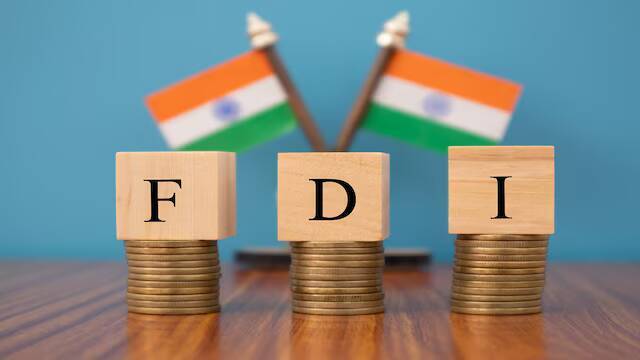
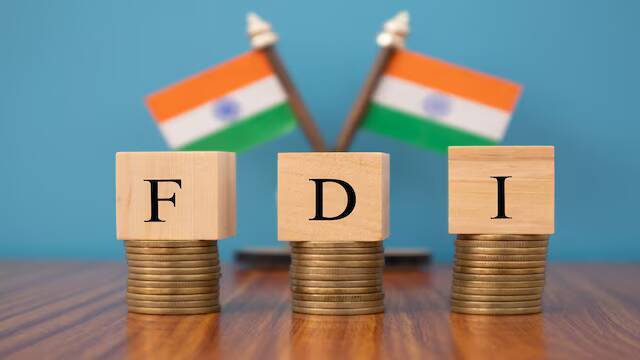
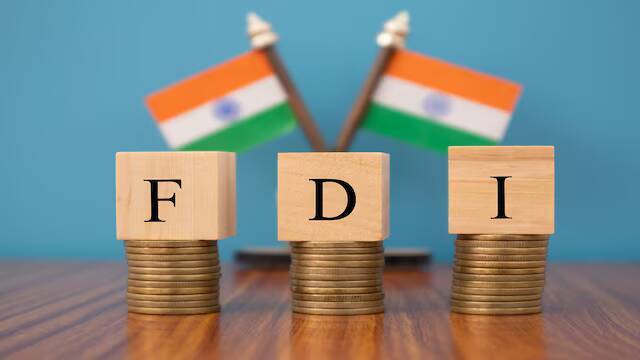
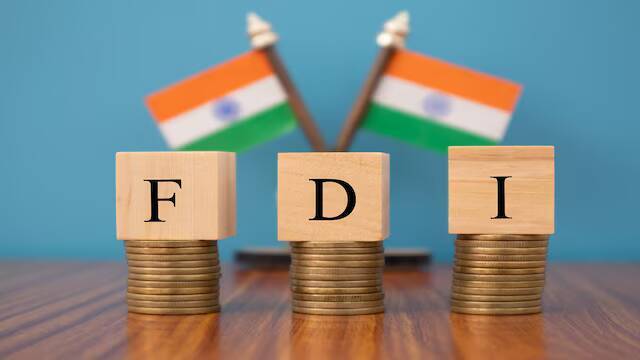
The Indian economy has been on a roll, with the latest data from the United Nations Trade and Development (UNCTAD) revealing that Foreign Direct Investment (FDI) inflows to the country surged by a staggering 73% in 2025, reaching a record high of $47 billion. This significant increase in FDI inflows is a testament to India’s growing appeal as a investment destination, driven by large investments in services such as finance and IT, as well as manufacturing.
The UNCTAD report highlights that the increase in FDI inflows to India was driven by a combination of factors, including the government’s efforts to improve the business environment, simplify regulatory procedures, and introduce policies aimed at attracting foreign investment. The report also notes that India’s large and growing market, highly skilled workforce, and competitive costs made it an attractive destination for foreign investors.
The surge in FDI inflows to India is all the more significant when compared to other major economies. In contrast, FDI inflows to China declined for the third consecutive year, falling by 8% in 2025. This decline is attributed to a combination of factors, including a slowdown in the Chinese economy, increasing trade tensions, and a decline in investor confidence.
The services sector, which includes finance, IT, and business process outsourcing, was the largest recipient of FDI inflows to India, accounting for over 50% of the total inflows. The manufacturing sector, which has been a focus area for the government’s “Make in India” initiative, also saw significant investments, with FDI inflows increasing by over 20% in 2025.
The increase in FDI inflows to India is expected to have a positive impact on the country’s economy, creating new jobs, increasing economic growth, and improving the balance of payments. The government has set a target of attracting $100 billion in FDI inflows by 2025, and the latest data suggests that the country is well on track to achieving this goal.
The surge in FDI inflows to India is also a reflection of the country’s improving ranking in the Ease of Doing Business index. India has jumped 14 places in the World Bank’s Ease of Doing Business index, ranking 63rd out of 190 countries in 2020. The government’s efforts to simplify regulatory procedures, reduce bureaucratic hurdles, and introduce policies aimed at attracting foreign investment have contributed to this improvement.
The UNCTAD report also notes that the increase in FDI inflows to India is driven by investments from countries such as the United States, Japan, and Singapore. The report highlights that these investments are not only driven by the desire to tap into India’s large and growing market but also to take advantage of the country’s highly skilled workforce and competitive costs.
In conclusion, the surge in FDI inflows to India is a significant development that reflects the country’s growing appeal as a investment destination. The increase in FDI inflows is driven by a combination of factors, including the government’s efforts to improve the business environment, simplify regulatory procedures, and introduce policies aimed at attracting foreign investment. The services sector, which includes finance, IT, and business process outsourcing, was the largest recipient of FDI inflows, accounting for over 50% of the total inflows. The manufacturing sector, which has been a focus area for the government’s “Make in India” initiative, also saw significant investments.
As India continues to grow and develop, it is likely that the country will remain a major destination for foreign investment. The government’s efforts to improve the business environment, simplify regulatory procedures, and introduce policies aimed at attracting foreign investment are expected to continue to pay dividends, driving economic growth and creating new opportunities for businesses and investors.
Source: https://www.ndtvprofit.com/economy/indias-fdi-inflows-surge-74-to-47-billion-un-data-10864485/amp/1
About the Author