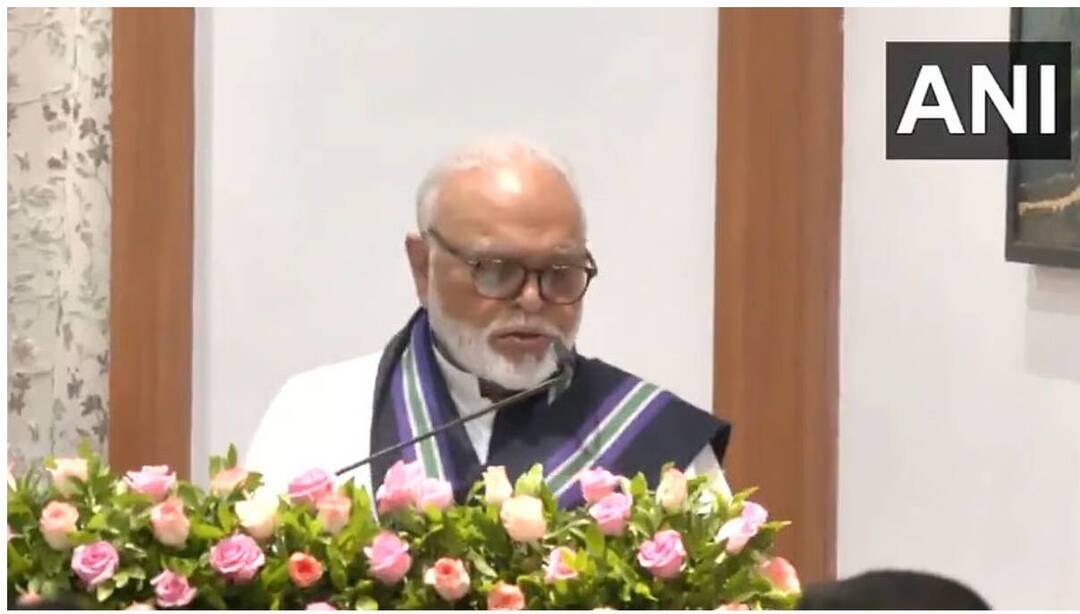
Maharashtra minister Bhujbal discharged in money laundering case
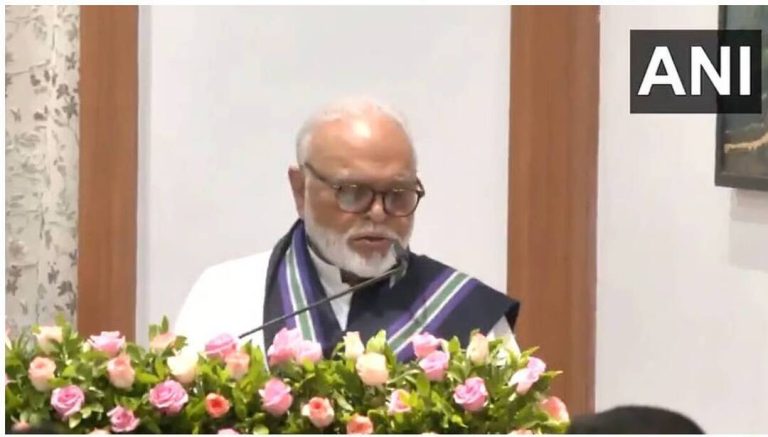
In a significant development, Maharashtra minister and senior NCP leader Chhagan Bhujbal, his son Pankaj, and nephew Sameer have been discharged in a money laundering case related to the alleged multi-crore Maharashtra Sadan scam. The court’s decision has brought relief to the Bhujbal family, who have been facing allegations of corruption and money laundering for several years.
The case pertains to the construction of the Maharashtra Sadan, a state government building in Delhi, which was alleged to have been built at a cost much higher than the estimated amount. The Enforcement Directorate (ED) had filed a case against Bhujbal and his family members, alleging that they had laundered money to the tune of several crores of rupees.
However, discharging all of them, the court said that there was no generation of proceeds of crime and to prosecute them under the Prevention of Money Laundering Act (PMLA) without it is like “a tree without roots.” The court’s observation highlights the importance of establishing the generation of proceeds of crime in money laundering cases.
The Maharashtra Sadan scam had been a major controversy in the state, with opposition parties alleging that Bhujbal and his family members had misused their positions to siphon off funds meant for the construction of the building. The ED had been investigating the case for several years, and had filed charges against Bhujbal and his family members.
However, the court’s decision to discharge them has raised questions about the strength of the evidence collected by the ED. The agency had alleged that Bhujbal and his family members had used shell companies to launder money, but the court has apparently not found sufficient evidence to support these allegations.
The discharge of Bhujbal and his family members is likely to have significant political implications in Maharashtra. Bhujbal is a senior leader of the Nationalist Congress Party (NCP), which is a key ally of the ruling Shiv Sena party in the state. The NCP has been facing allegations of corruption and nepotism, and the discharge of Bhujbal and his family members is likely to be seen as a major victory for the party.
The case also highlights the challenges faced by investigative agencies in prosecuting money laundering cases. The PMLA is a complex law that requires the establishment of the generation of proceeds of crime, which can be difficult to prove. The court’s observation that prosecution under the PMLA without establishing the generation of proceeds of crime is like “a tree without roots” underscores the importance of collecting robust evidence in such cases.
In recent years, there have been several high-profile money laundering cases in India, involving politicians, businessmen, and other prominent individuals. The ED and other investigative agencies have been working to crack down on money laundering and corruption, but the discharge of Bhujbal and his family members highlights the challenges faced by these agencies in securing convictions.
The case is also a reminder of the need for greater transparency and accountability in government contracting and procurement. The Maharashtra Sadan scam had alleged that Bhujbal and his family members had misused their positions to siphon off funds meant for the construction of the building. The case highlights the need for stronger laws and regulations to prevent such abuses of power.
In conclusion, the discharge of Maharashtra minister Chhagan Bhujbal, his son Pankaj, and nephew Sameer in a money laundering case related to the alleged multi-crore Maharashtra Sadan scam is a significant development. The court’s decision highlights the importance of establishing the generation of proceeds of crime in money laundering cases and raises questions about the strength of the evidence collected by the ED. The case has significant political implications in Maharashtra and underscores the challenges faced by investigative agencies in prosecuting money laundering cases.
About the Author