Maharashtra minister Bhujbal discharged in money laundering case
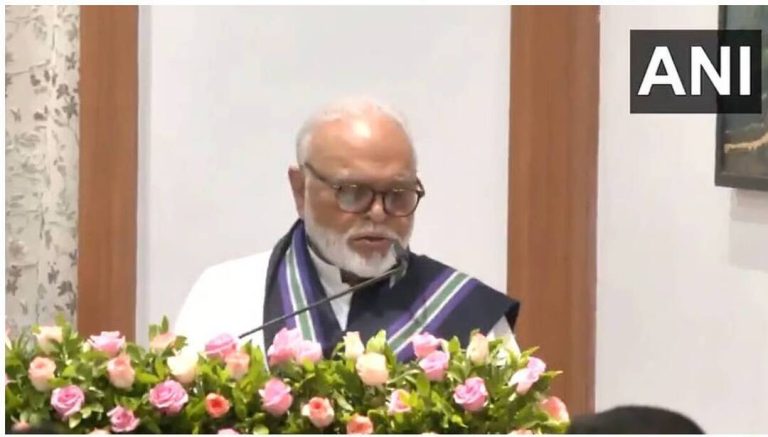
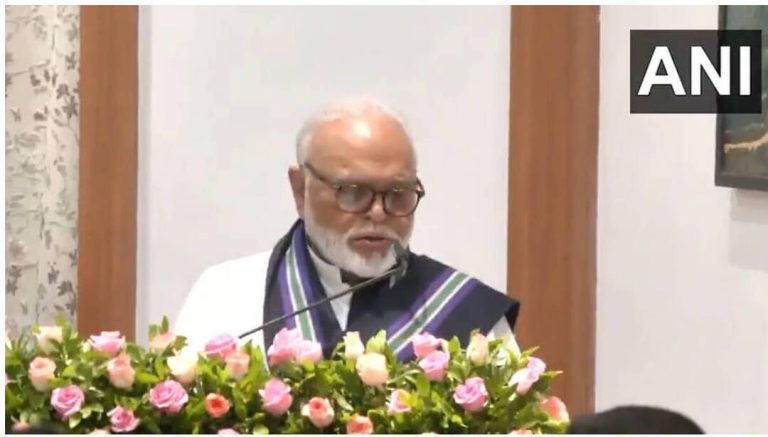
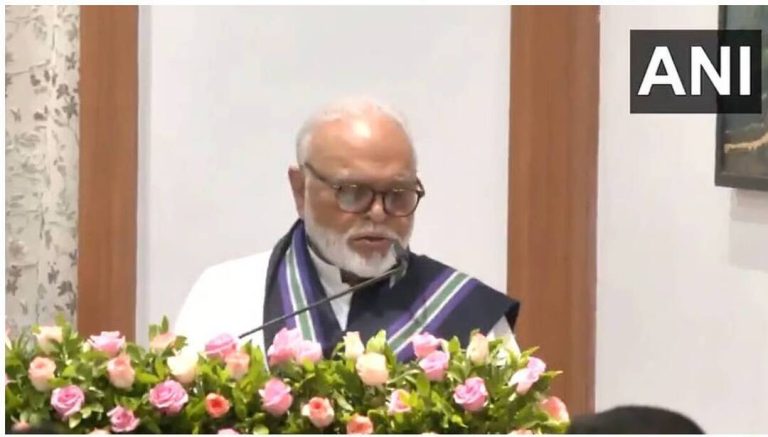
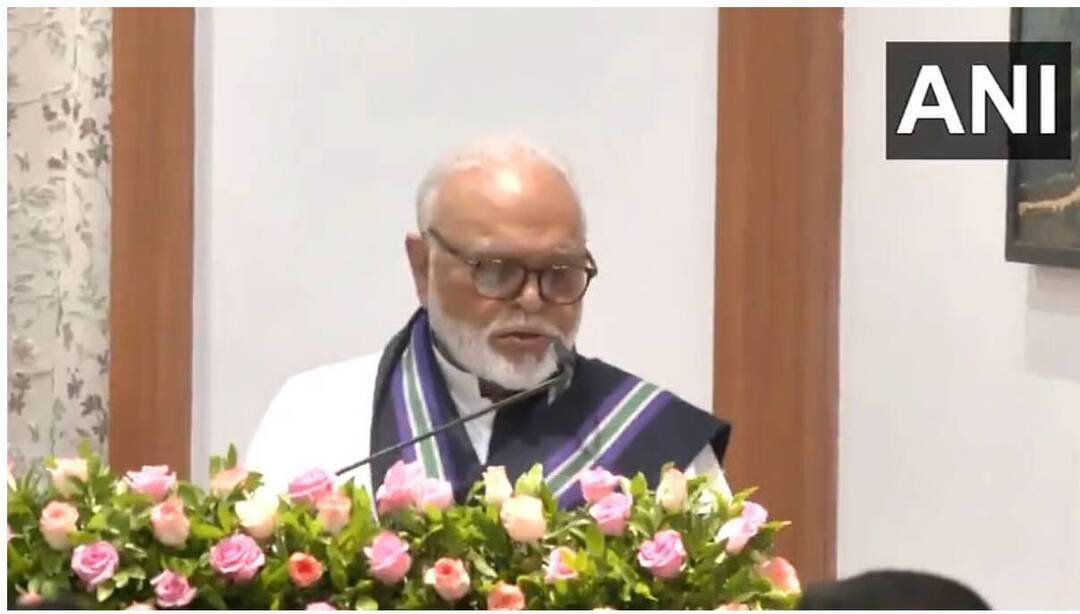
In a significant development, Maharashtra minister and senior NCP leader Chhagan Bhujbal, his son Pankaj, and nephew Sameer have been discharged in a money laundering case related to the alleged multi-crore Maharashtra Sadan scam. The discharge order was passed by a special court in Mumbai, which observed that there was no generation of proceeds of crime, a crucial element required to prosecute someone under the Prevention of Money Laundering Act (PMLA).
The case against Bhujbal and his family members was filed by the Enforcement Directorate (ED) in 2016, alleging that they had laundered money to the tune of Rs 800 crore in the construction of the Maharashtra Sadan building in Delhi. The ED had claimed that Bhujbal, who was the Public Works Department (PWD) minister at the time, had awarded contracts to his favorite contractors and received kickbacks, which were then laundered through various shell companies.
However, the court has now ruled that there is no evidence to suggest that Bhujbal or his family members had generated any proceeds of crime, which is a necessary condition for prosecuting someone under the PMLA. The court observed that the ED’s case was based on mere assumptions and conjectures, and that there was no concrete evidence to support the allegations.
Discharging all of them, the court said that there was no generation of proceeds of crime and to prosecute them under PMLA without it is like “a tree without roots.” The court’s order is a significant setback for the ED, which had been pursuing the case against Bhujbal and his family members for several years.
The Maharashtra Sadan scam had come to light in 2015, when it was alleged that Bhujbal had awarded contracts to his favorite contractors at inflated rates, causing a loss of several hundred crores to the state exchequer. The scam had led to a massive outcry, with opposition parties demanding Bhujbal’s resignation and a thorough investigation into the allegations.
The ED had subsequently filed a case against Bhujbal and his family members, alleging that they had laundered money to the tune of Rs 800 crore in the construction of the Maharashtra Sadan building. The agency had claimed that Bhujbal had used his position as PWD minister to award contracts to his favorite contractors, and that he had received kickbacks in return.
However, the court’s discharge order suggests that the ED’s case was not strong enough to withstand scrutiny. The court has observed that there is no evidence to suggest that Bhujbal or his family members had generated any proceeds of crime, which is a necessary condition for prosecuting someone under the PMLA.
The discharge order is likely to be seen as a major relief for Bhujbal and his family members, who had been facing the prospect of a long and grueling trial. The order is also likely to be seen as a setback for the ED, which had been pursuing the case against Bhujbal and his family members for several years.
The case highlights the challenges faced by investigative agencies in prosecuting high-profile cases. The ED had been facing criticism for its handling of the case, with many questioning the agency’s motives and the strength of its evidence. The court’s discharge order suggests that the ED’s case was not strong enough to withstand scrutiny, and that the agency needs to revisit its strategy and build stronger cases against those accused of corruption and money laundering.
In conclusion, the discharge of Maharashtra minister Chhagan Bhujbal and his family members in the money laundering case related to the Maharashtra Sadan scam is a significant development. The court’s order highlights the challenges faced by investigative agencies in prosecuting high-profile cases, and the need for stronger evidence and a more robust case. The order is likely to be seen as a major relief for Bhujbal and his family members, and a setback for the ED.
About the Author