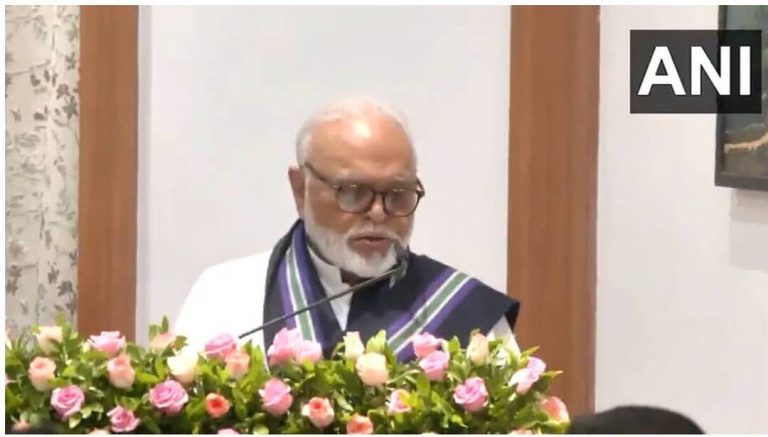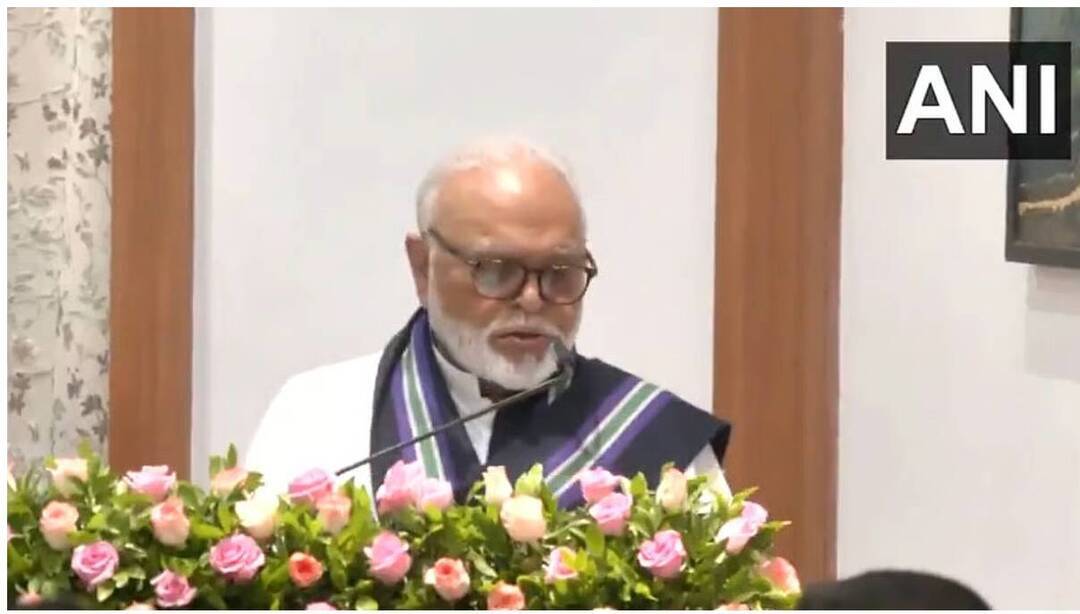
Maharashtra minister Bhujbal discharged in money laundering case
In a significant development, Maharashtra minister and senior NCP leader Chhagan Bhujbal, his son Pankaj, and nephew Sameer have been discharged in a money laundering case related to the alleged multi-crore Maharashtra Sadan scam. The discharge order was passed by a special court in Mumbai, which observed that there was no generation of proceeds of crime, a necessary condition for prosecuting someone under the Prevention of Money Laundering Act (PMLA).
The court’s decision has come as a major relief for Bhujbal and his family members, who had been facing allegations of money laundering and corruption in connection with the construction of the Maharashtra Sadan building in Delhi. The case had been registered by the Enforcement Directorate (ED) in 2015, and since then, Bhujbal and his family members had been facing investigations and legal proceedings.
The court, while discharging Bhujbal and his family members, observed that the prosecution had failed to establish the generation of proceeds of crime, which is a necessary ingredient for prosecuting someone under the PMLA. The court said that without the generation of proceeds of crime, it would be like “a tree without roots,” and therefore, it would not be possible to prosecute Bhujbal and his family members under the PMLA.
The Maharashtra Sadan scam had been a major controversy in the state, with allegations of corruption and money laundering being leveled against Bhujbal and his family members. The scam had been related to the construction of the Maharashtra Sadan building in Delhi, which was meant to serve as a residential complex for Maharashtra government officials and employees. However, allegations had been made that Bhujbal and his family members had misused their official positions to award contracts and siphon off funds meant for the construction of the building.
The ED had registered a case against Bhujbal and his family members in 2015, and since then, they had been facing investigations and legal proceedings. The agency had alleged that Bhujbal and his family members had laundered money to the tune of several crores of rupees, and had invested the same in various assets, including real estate and companies.
However, the court’s decision to discharge Bhujbal and his family members has come as a major setback for the ED and the prosecution. The court’s observation that there was no generation of proceeds of crime has meant that the prosecution’s case against Bhujbal and his family members has fallen apart.
The discharge of Bhujbal and his family members has also raised questions about the efficacy of the PMLA and the ED’s ability to investigate and prosecute money laundering cases. The PMLA is a stringent law that is meant to prevent and punish money laundering, but the court’s decision has highlighted the difficulties faced by the prosecution in establishing the generation of proceeds of crime.
The case has also highlighted the need for greater transparency and accountability in government contracts and transactions. The Maharashtra Sadan scam had been a classic example of how corruption and money laundering can take place in government contracts, and the need for greater vigilance and oversight to prevent such scams.
In conclusion, the discharge of Maharashtra minister Chhagan Bhujbal and his family members in a money laundering case related to the Maharashtra Sadan scam has come as a major relief for them. However, the case has also raised questions about the efficacy of the PMLA and the ED’s ability to investigate and prosecute money laundering cases. The need for greater transparency and accountability in government contracts and transactions has been highlighted, and it remains to be seen how the government and the ED will respond to the court’s decision.
About the Author