Trump sues US’ largest bank JPMorgan, its CEO for ₹45,800 crore for ‘debanking’
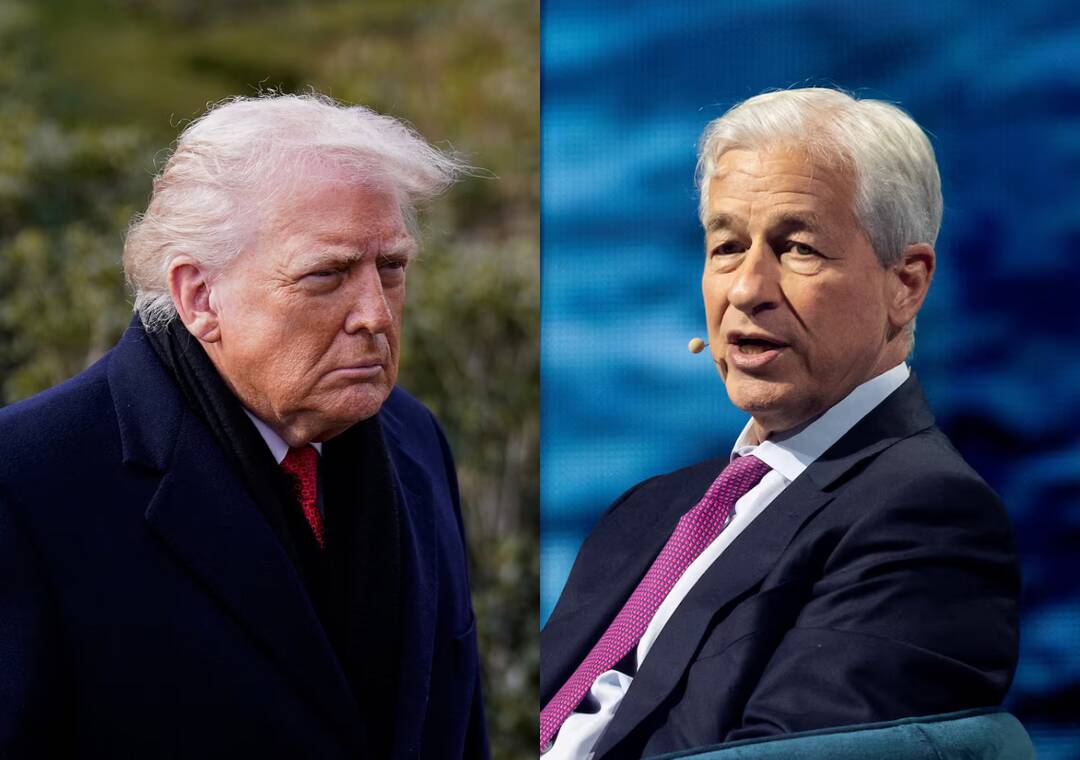
In a shocking move, former US President Donald Trump has sued JPMorgan Chase, the largest bank in the United States, and its CEO Jamie Dimon for a staggering $5 billion (approximately ₹45,800 crore) for allegedly “debanking” him. The lawsuit, which has sent shockwaves through the financial world, claims that JPMorgan “unilaterally- and without warning or remedy- terminated several of [Trump’s] bank accounts” due to its “woke” beliefs.
According to Trump, JPMorgan’s decision to terminate his bank accounts was a result of the bank’s attempt to distance itself from him due to his political views. Trump, who has been known for his divisive and controversial rhetoric, claims that JPMorgan’s actions were a clear example of “political debanking,” where a bank terminates a customer’s account due to their political beliefs or affiliations.
The lawsuit, which was filed in a US court, alleges that JPMorgan’s actions were a breach of contract and a violation of Trump’s rights as a customer. Trump claims that he had been a loyal customer of JPMorgan for many years and had never been late on a payment or defaulted on a loan. Despite this, JPMorgan allegedly terminated his accounts without warning or explanation, leaving Trump with significant financial losses.
The Concept of “Debanking”
The concept of “debanking” has become increasingly common in recent years, particularly in the context of politics. Debanking refers to the practice of a bank terminating a customer’s account due to their political views or affiliations. This can be a devastating blow to individuals and businesses, as it can make it difficult for them to access basic financial services such as checking and savings accounts, loans, and credit cards.
In Trump’s case, the alleged debanking by JPMorgan has had significant consequences. Trump claims that he has lost millions of dollars in business deals and investments due to JPMorgan’s actions. He also claims that his reputation has been damaged, as the termination of his accounts has been seen as a sign of financial instability.
The Role of “Woke” Culture in Debanking
Trump’s lawsuit against JPMorgan highlights the growing concern about the role of “woke” culture in debanking. Woke culture refers to the increasing trend of companies and institutions taking a stance on social and political issues, often in response to public pressure or activist campaigns.
In the context of banking, woke culture has led to a growing trend of banks and financial institutions distancing themselves from customers who hold controversial or divisive views. This can include individuals who have been accused of hate speech, racism, or other forms of bigotry.
While some argue that banks have a responsibility to promote social justice and inclusivity, others argue that this approach can lead to a form of censorship, where individuals are punished for their political views or affiliations. Trump’s lawsuit against JPMorgan is a prime example of this debate, with Trump claiming that JPMorgan’s actions were a clear example of “woke” culture gone too far.
The Implications of the Lawsuit
The implications of Trump’s lawsuit against JPMorgan are significant. If the lawsuit is successful, it could set a precedent for other individuals and businesses who have been debanked due to their political views or affiliations. It could also lead to a re-evaluation of the role of banks and financial institutions in promoting social justice and inclusivity.
On the other hand, if the lawsuit is unsuccessful, it could reinforce the notion that banks have the right to terminate accounts due to political views or affiliations. This could lead to a further erosion of trust in the banking system, particularly among individuals and businesses who hold conservative or libertarian views.
Conclusion
In conclusion, Trump’s lawsuit against JPMorgan Chase and its CEO Jamie Dimon is a significant development in the debate over debanking and the role of “woke” culture in the banking industry. The lawsuit highlights the growing concern about the trend of banks and financial institutions distancing themselves from customers who hold controversial or divisive views.
As the lawsuit makes its way through the courts, it will be interesting to see how the issue of debanking is addressed. Will the court rule in favor of Trump, setting a precedent for other individuals and businesses who have been debanked due to their political views or affiliations? Or will the court rule in favor of JPMorgan, reinforcing the notion that banks have the right to terminate accounts due to political views or affiliations?
One thing is certain: the outcome of this lawsuit will have significant implications for the banking industry and the broader debate over free speech and social justice. As we wait for the outcome, one thing is clear: the issue of debanking is here to stay, and it will continue to be a major point of contention in the years to come.
About the Author