Trump Sues US’ Largest Bank JPMorgan, its CEO for ₹45,800 Crore for ‘Debanking’
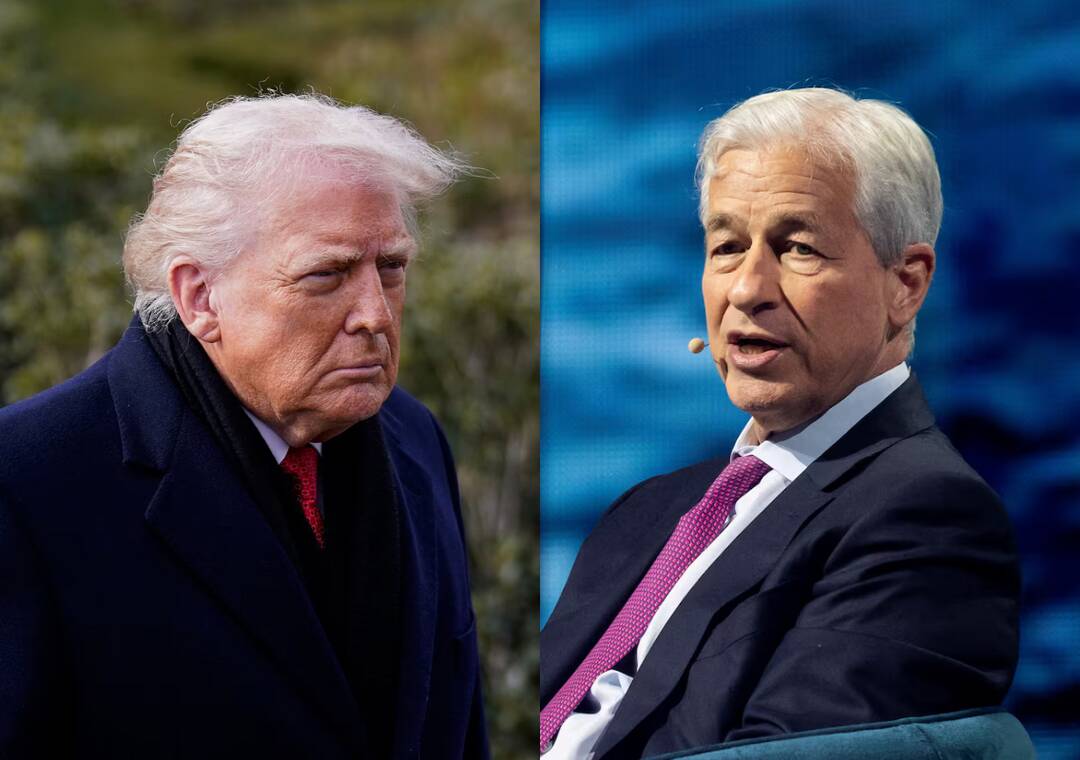
In a shocking turn of events, former US President Donald Trump has filed a lawsuit against JPMorgan Chase, the largest bank in the United States, and its CEO Jamie Dimon. The lawsuit, which has sent shockwaves through the financial world, accuses the bank of “debanking” Trump and his companies, resulting in significant financial losses. According to the lawsuit, JPMorgan Chase and its CEO are being sued for a whopping $5 billion (approximately ₹45,800 crore).
The lawsuit claims that JPMorgan “unilaterally- and without warning or remedy- terminated several of [Trump’s] bank accounts”. Trump alleges that this move was made as a result of the bank’s “woke” beliefs, which led it to distance itself from him. The term “debanking” refers to the practice of banks terminating their relationships with certain customers, often due to reputational or regulatory concerns. In this case, Trump claims that JPMorgan’s decision to debank him was motivated by a desire to appease liberal activists and politicians who have been critical of the former President.
The lawsuit is a significant escalation of the long-running feud between Trump and the banking industry. Trump has previously accused banks of discriminating against him and his companies, and has vowed to take action against those who he believes are unfairly targeting him. The lawsuit against JPMorgan Chase is seen as a major test of the banking industry’s willingness to do business with Trump, who remains a highly polarizing figure in American politics.
JPMorgan Chase has not commented on the lawsuit, but it is likely to vigorously defend itself against Trump’s claims. The bank has a long history of doing business with Trump and his companies, and has provided financing for many of his high-profile real estate projects. However, the bank has also faced pressure from liberal activists and politicians to cut ties with Trump, who has been accused of promoting divisive and discriminatory policies.
The lawsuit has sparked a heated debate about the role of politics in banking and the extent to which banks should be allowed to discriminate against customers based on their political views. Trump’s supporters have rallied to his defense, accusing JPMorgan Chase of engaging in “cancel culture” and attempting to silence the former President. On the other hand, critics of Trump have argued that the bank has a responsibility to distance itself from individuals who promote hate speech and discriminatory policies.
The lawsuit also raises important questions about the regulation of the banking industry and the extent to which banks are allowed to terminate their relationships with customers. Trump’s lawsuit claims that JPMorgan Chase’s decision to debank him was made without proper notice or explanation, and that the bank failed to provide him with adequate remedies. If successful, the lawsuit could have significant implications for the banking industry, potentially limiting the ability of banks to terminate their relationships with customers without proper justification.
As the lawsuit makes its way through the courts, it is likely to attract significant attention and publicity. Trump’s ability to use the courts to settle scores with his enemies has been well-documented, and this lawsuit is seen as a major test of his ability to use the legal system to vindicate his rights. JPMorgan Chase, on the other hand, will likely face intense scrutiny and pressure to defend its decision to debank Trump.
In conclusion, the lawsuit filed by Trump against JPMorgan Chase and its CEO Jamie Dimon is a significant development in the ongoing saga of Trump’s feud with the banking industry. The lawsuit raises important questions about the role of politics in banking, the regulation of the banking industry, and the extent to which banks should be allowed to discriminate against customers based on their political views. As the lawsuit makes its way through the courts, it is likely to attract significant attention and publicity, and could have significant implications for the banking industry and beyond.
About the Author