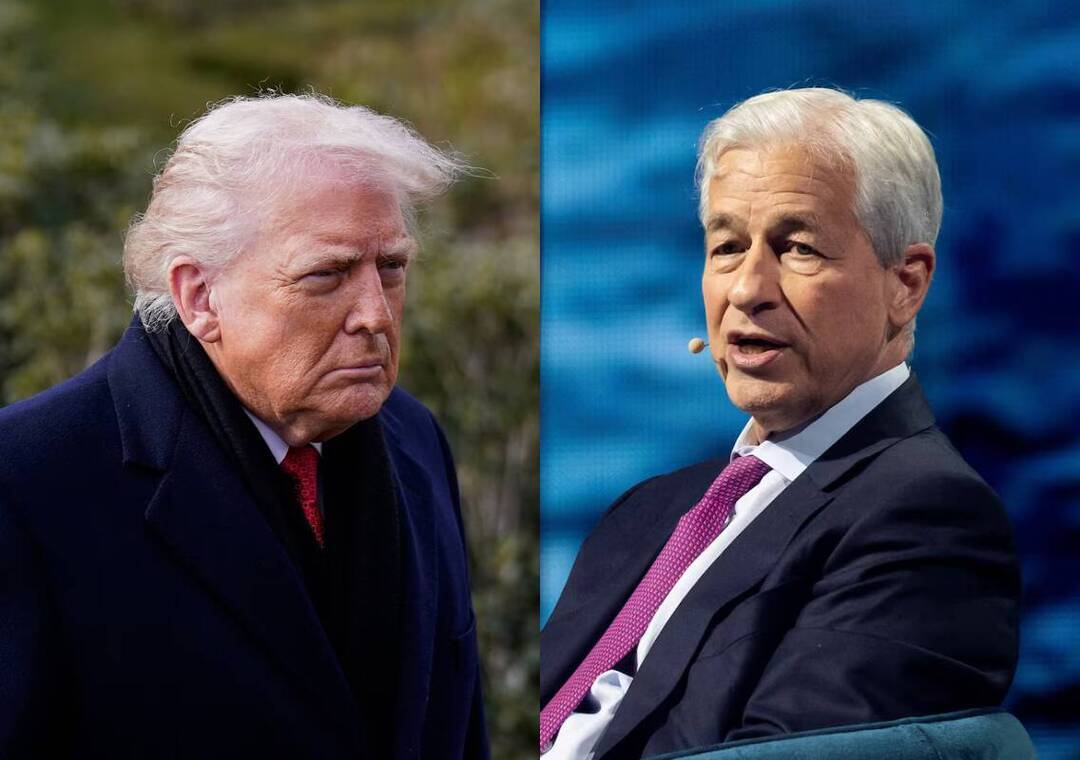
Trump sues US’ largest bank JPMorgan, its CEO for ₹45,800 crore for ‘debanking’
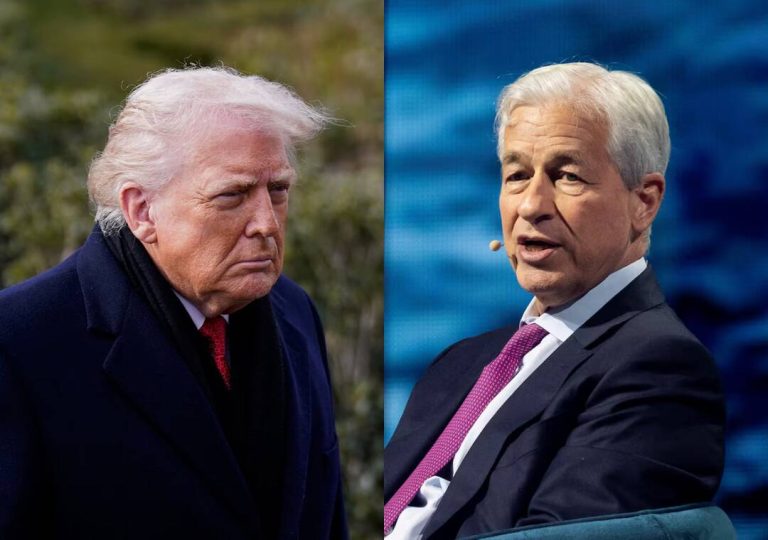
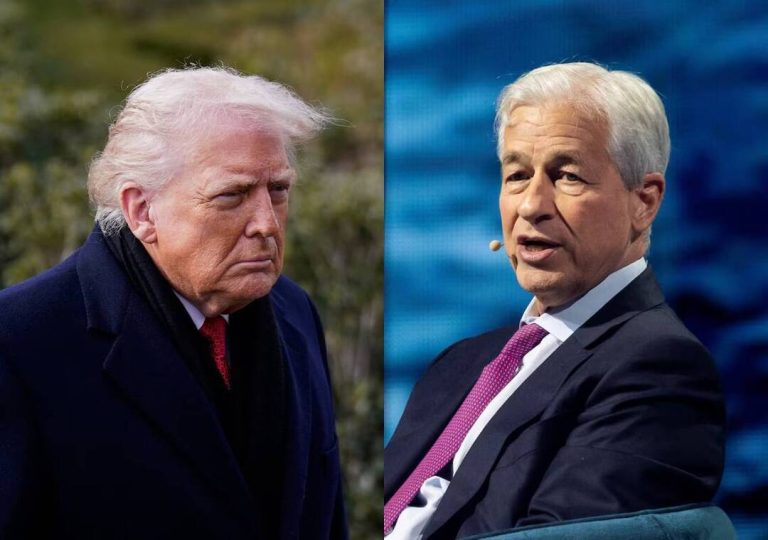
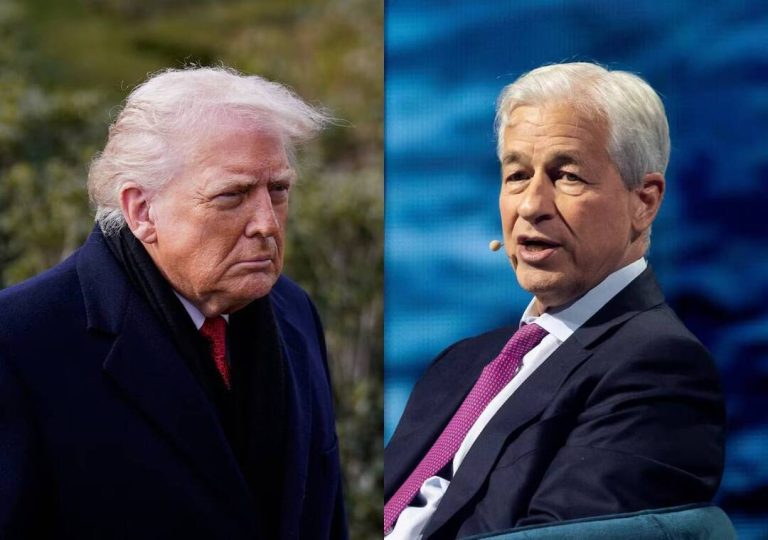
In a shocking move, former US President Donald Trump has sued JPMorgan Chase, the largest bank in the United States, and its CEO Jamie Dimon for a staggering $5 billion (approximately ₹45,800 crore) over allegations of “debanking”. According to Trump, the bank “unilaterally- and without warning or remedy- terminated several of [his] bank accounts” due to its “woke” beliefs that it needs to distance itself from him.
The lawsuit, which has sent shockwaves through the financial world, claims that JPMorgan’s decision to terminate Trump’s bank accounts was motivated by a desire to appease the bank’s liberal clientele and to avoid any potential backlash from the public. Trump’s lawyers argue that this move constitutes a clear case of “debanking”, a practice where a bank terminates its relationship with a customer without a valid reason, often due to political or ideological differences.
Trump’s lawsuit alleges that JPMorgan’s actions were a clear example of “cancel culture” gone wrong, where a major financial institution is attempting to silence and punish a high-profile individual for their political beliefs. The lawsuit claims that JPMorgan’s decision to terminate Trump’s bank accounts was not based on any legitimate business reason, but rather on a desire to curry favor with the bank’s liberal clientele and to avoid any potential controversy.
The lawsuit also names JPMorgan’s CEO Jamie Dimon as a defendant, alleging that he was personally involved in the decision to terminate Trump’s bank accounts. Trump’s lawyers argue that Dimon’s actions were a clear example of “viewpoint discrimination”, where a business leader is using their power to silence and punish individuals who hold different political views.
The implications of this lawsuit are far-reaching and could have significant consequences for the banking industry as a whole. If Trump’s lawsuit is successful, it could set a precedent for other individuals and businesses who have been “debanked” due to their political beliefs. It could also lead to a re-examination of the banking industry’s role in policing the financial activities of its customers and the potential for viewpoint discrimination.
JPMorgan has not commented on the lawsuit, but it is likely that the bank will vigorously defend itself against Trump’s allegations. The bank may argue that its decision to terminate Trump’s bank accounts was based on legitimate business reasons, such as risk management or regulatory compliance. However, Trump’s lawyers are likely to argue that these reasons are merely a pretext for the bank’s true motivations, which are to silence and punish Trump for his political views.
The concept of “debanking” has become increasingly contentious in recent years, with many conservatives and libertarians arguing that it is a form of censorship and a threat to free speech. They argue that banks and other financial institutions should not be allowed to terminate their relationships with customers based on their political views or ideologies. On the other hand, many liberals and progressives argue that banks have a responsibility to ensure that their customers are not engaging in illicit or harmful activities, and that “debanking” is a necessary tool for preventing money laundering, terrorism financing, and other forms of financial crime.
The Trump lawsuit has sparked a heated debate about the role of banks in policing the financial activities of their customers and the potential for viewpoint discrimination. While some have hailed Trump’s lawsuit as a bold move to stand up against “cancel culture” and the threat of debanking, others have criticized it as a frivolous and self-serving attempt to silence his critics.
Regardless of the outcome of the lawsuit, it is clear that the issue of debanking and viewpoint discrimination will continue to be a contentious and highly debated topic in the years to come. As the financial industry continues to evolve and become increasingly politicized, it is likely that we will see more cases like Trump’s, where individuals and businesses are forced to navigate the complex and often treacherous landscape of financial censorship and viewpoint discrimination.
In conclusion, the Trump lawsuit against JPMorgan Chase and its CEO Jamie Dimon is a significant development that highlights the growing concern about debanking and viewpoint discrimination in the financial industry. While the outcome of the lawsuit is uncertain, it is clear that the issue will continue to be a major topic of debate and discussion in the years to come.
About the Author