US Unveils Master Plan to Develop ‘New Gaza’
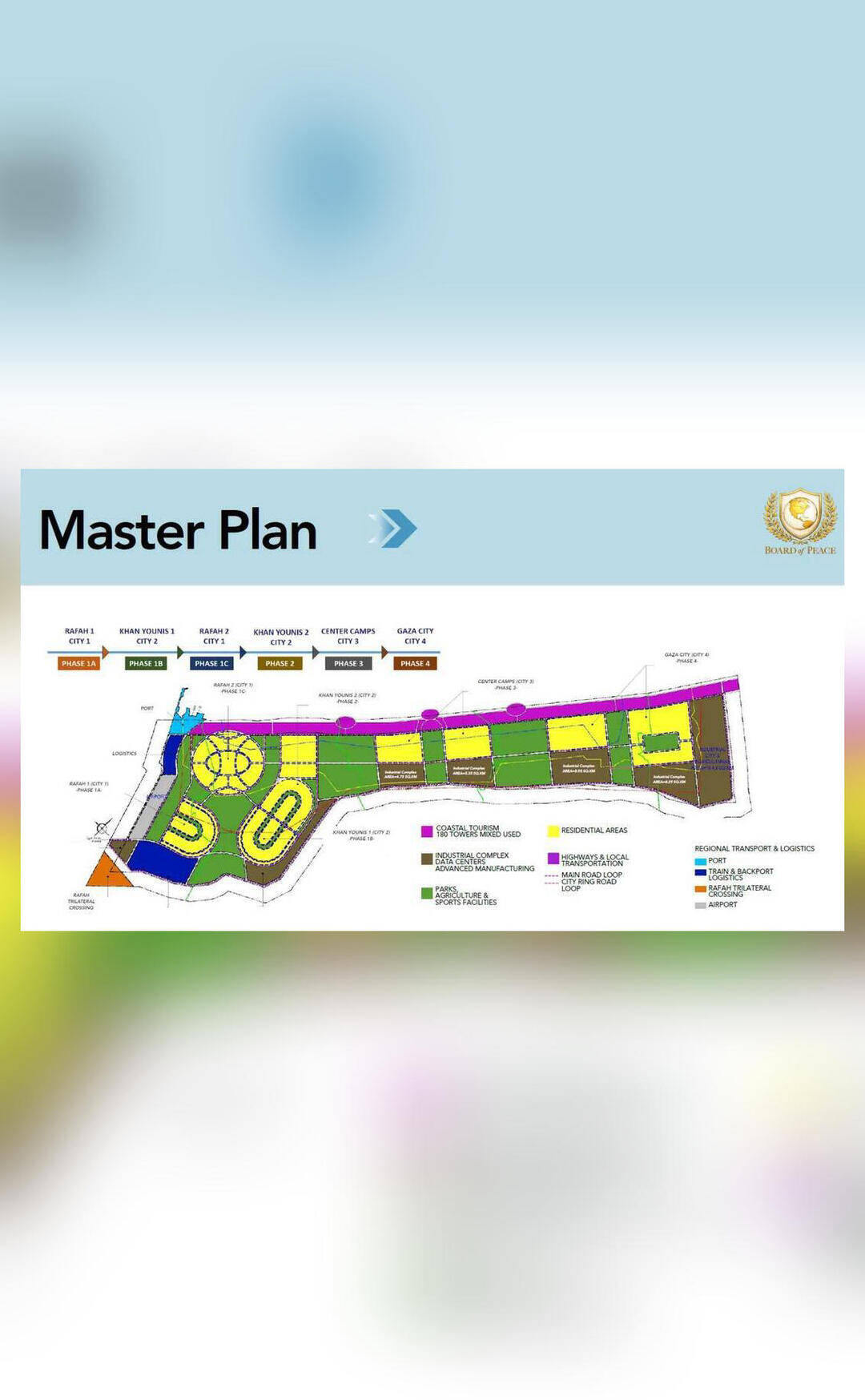
The United States has unveiled a comprehensive “master plan” to develop a ‘New Gaza’ at the World Economic Forum in Davos, Switzerland. The plan, which was announced on Thursday, aims to transform the Gaza Strip into a thriving economic hub, with a focus on infrastructure development, tourism, and job creation. The unveiling of the plan was led by Jared Kushner, the son-in-law of former US President Donald Trump, who has been a key figure in the US administration’s efforts to resolve the Israeli-Palestinian conflict.
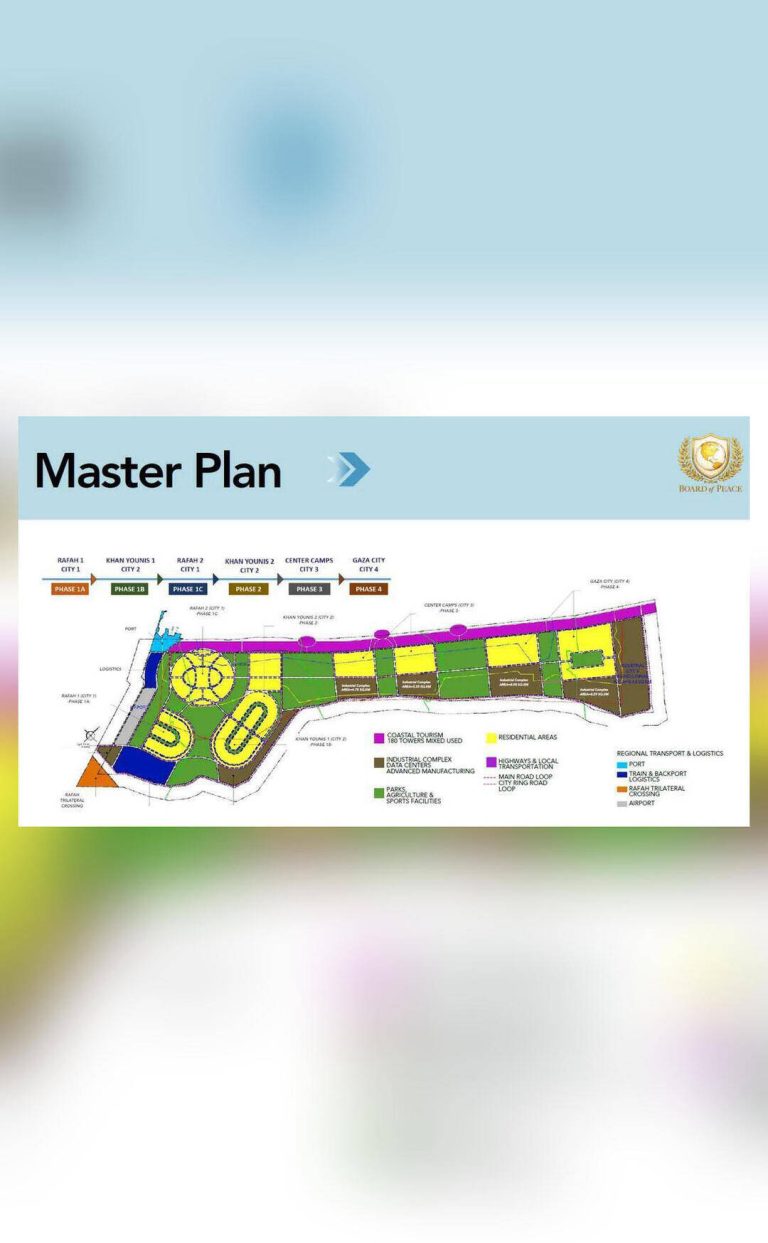
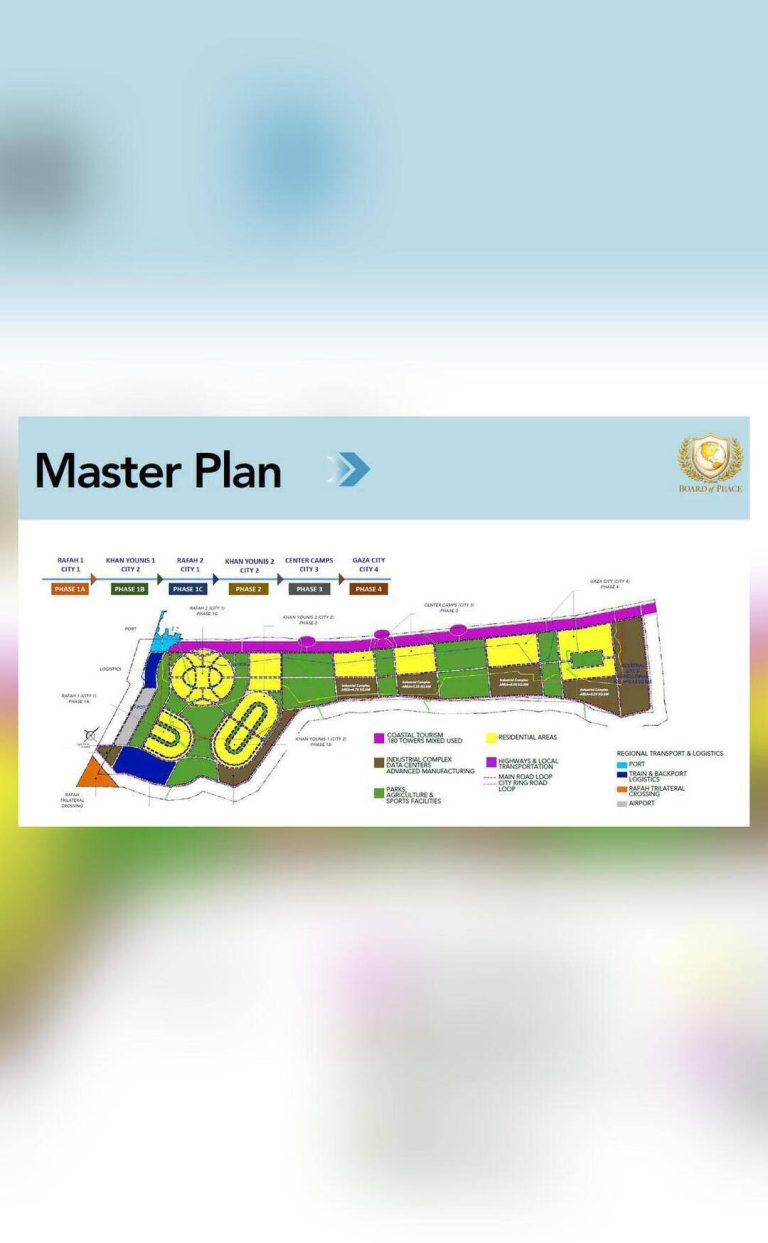
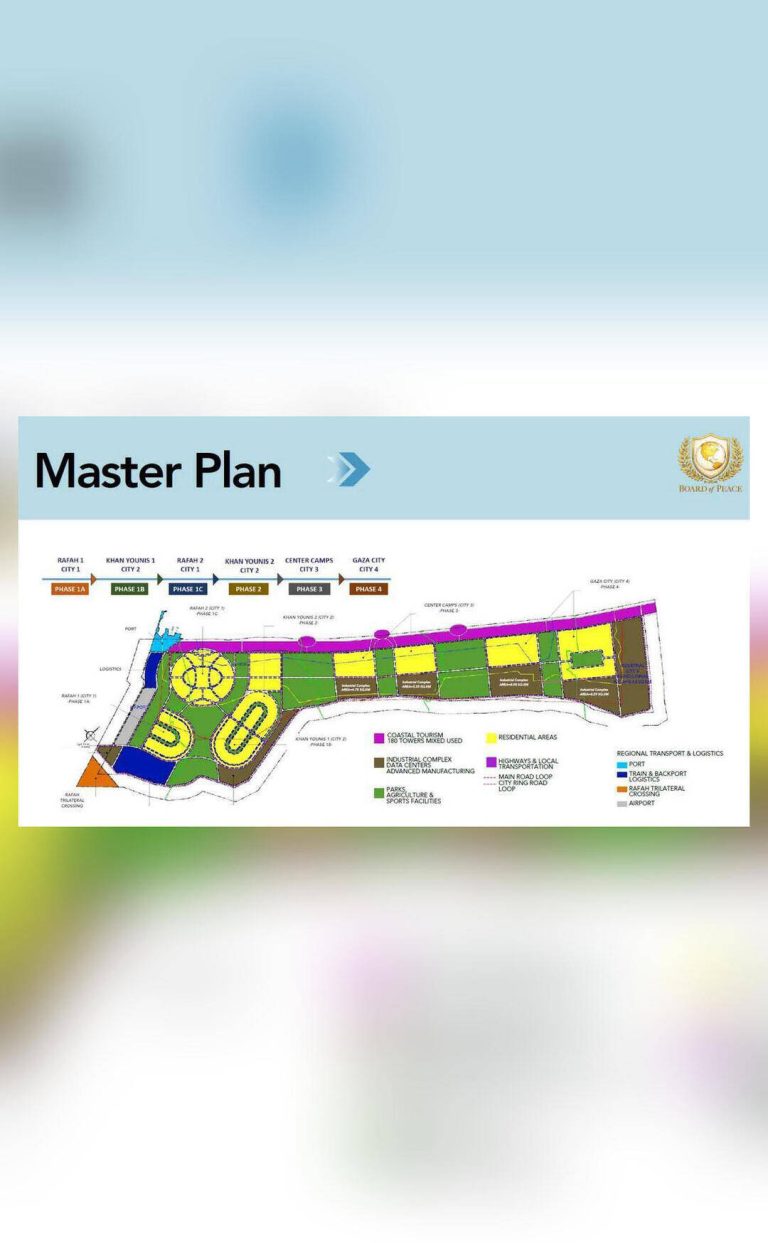
According to Kushner, the plan is a long-term vision for the development of Gaza, and it does not have a “plan B”. Speaking at the World Economic Forum, Kushner said, “People ask us what our plan B is…we don’t have a plan B. We have a plan, and it’s a very good plan.” The plan includes a range of ambitious projects, including the construction of a new seaport, an airport, and a zone for “coastal tourism”. These infrastructure developments are expected to create thousands of jobs and stimulate economic growth in the region.
The new seaport, which is a key component of the plan, is expected to provide a major boost to Gaza’s economy. The port will enable the import and export of goods, and it will also provide a platform for the development of the fishing industry. The airport, which is also part of the plan, will provide a vital transportation link between Gaza and the rest of the world. The airport will enable the movement of people and goods, and it will also facilitate the development of the tourism industry.
The zone for “coastal tourism” is another important aspect of the plan. The zone will include a range of tourist facilities, including hotels, restaurants, and recreational areas. The development of the tourism industry is expected to create thousands of jobs and generate significant revenue for the local economy. The plan also includes a range of other initiatives, including the development of industrial zones, the creation of a new desalination plant, and the construction of a power plant.
The unveiling of the plan has been met with a range of reactions from different stakeholders. While some have welcomed the plan as a positive development, others have expressed skepticism about its feasibility. Some critics have argued that the plan does not address the underlying issues that have hindered economic development in Gaza, including the Israeli blockade and the lack of Palestinian control over the territory.
Despite these challenges, the US administration remains committed to the plan, and it has pledged to work with international partners to secure funding and support for the project. The plan is expected to require significant investment, and it will likely take several years to implement. However, if successful, it could have a major impact on the economy and living standards of the people of Gaza.
The development of Gaza is a critical issue that has been neglected for too long. The territory has been subject to a blockade by Israel and Egypt, which has severely restricted the movement of people and goods. The blockade has had a devastating impact on the economy, and it has led to high levels of unemployment and poverty. The development of a new seaport, airport, and tourism zone could help to alleviate these problems and provide a major boost to the local economy.
In conclusion, the US unveiling of a master plan to develop ‘New Gaza’ is a significant development that has the potential to transform the economy and living standards of the people of Gaza. While there are challenges to be addressed, the plan is a positive step towards a more prosperous and stable future for the region. The international community must now come together to support the plan and provide the necessary funding and resources to make it a reality.
The plan is a testament to the US administration’s commitment to finding a solution to the Israeli-Palestinian conflict. The development of Gaza is a critical component of any peace agreement, and it is essential that the international community works together to support the creation of a thriving and sustainable economy in the region.
As the plan moves forward, it will be important to ensure that the needs and concerns of all stakeholders are taken into account. This will require a collaborative approach that involves the US administration, the Palestinian Authority, Israel, and other international partners. The development of Gaza is a complex issue that will require patience, persistence, and a commitment to finding a solution that works for all parties.
In the end, the success of the plan will depend on the ability of the international community to come together and support the development of Gaza. The plan has the potential to be a game-changer for the region, and it is essential that we seize this opportunity to create a more prosperous and stable future for the people of Gaza.
About the Author