US Unveils Master Plan to Develop ‘New Gaza’
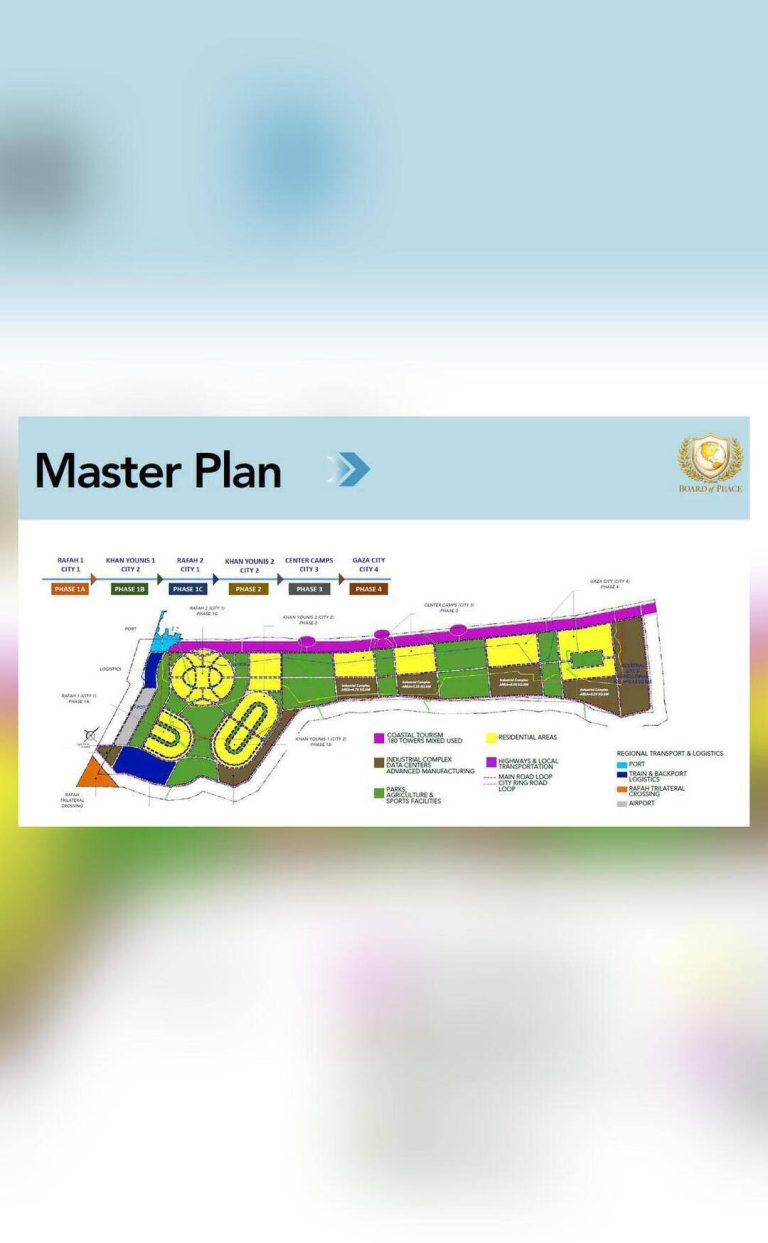
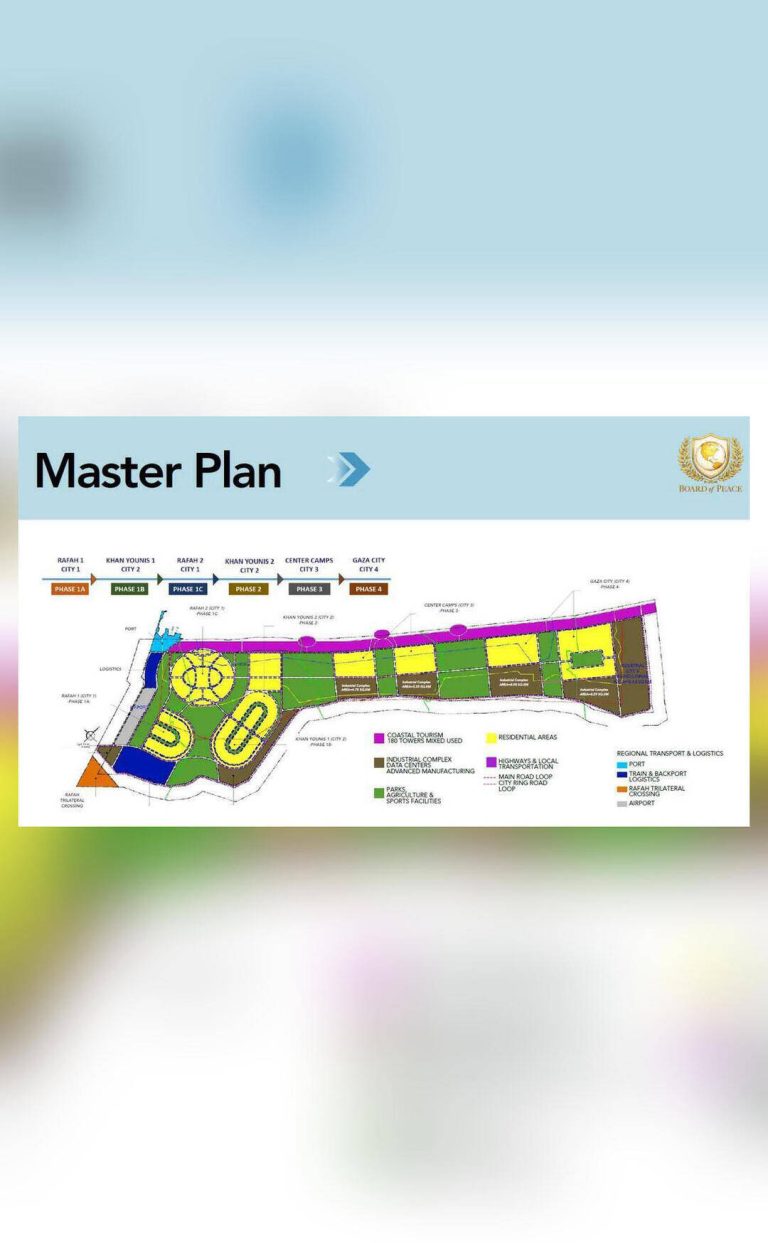
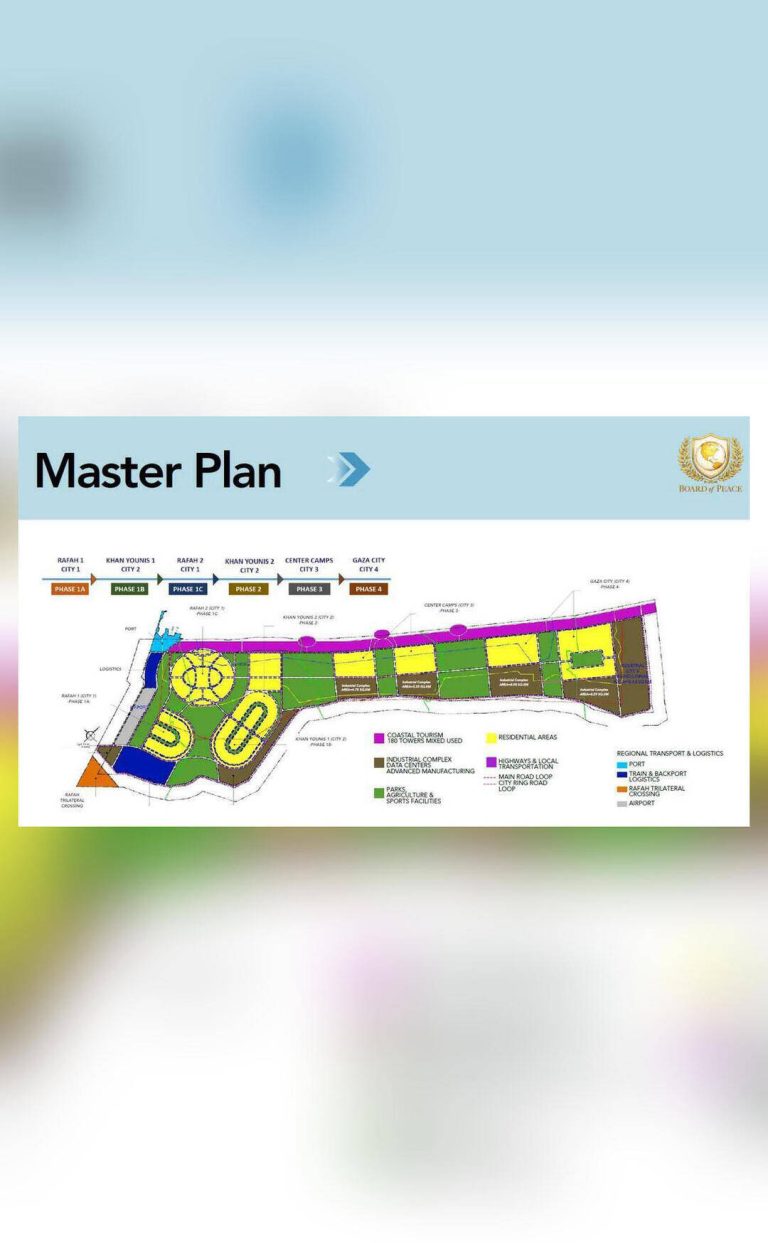
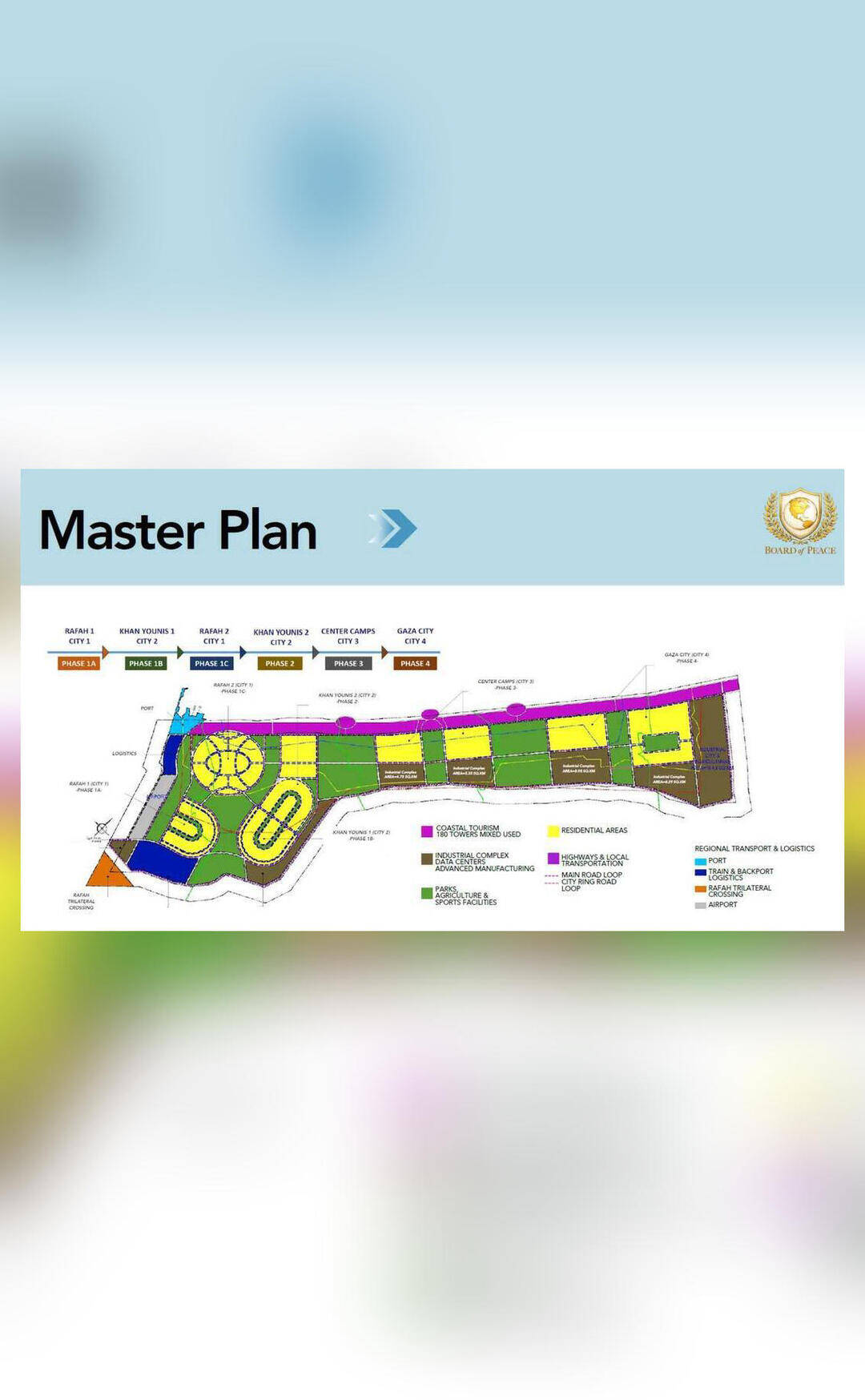
The United States has unveiled an ambitious plan to develop a ‘New Gaza’, a comprehensive development project aimed at transforming the Gaza Strip into a thriving economic hub. The plan, announced at the World Economic Forum in Davos on Thursday, includes a range of infrastructure projects, including a new seaport, an airport, and a zone for ‘coastal tourism’. The unveiling of the plan comes at a time of heightened tensions in the region, with Israeli fire killing five Palestinians in recent days.
According to Jared Kushner, son-in-law of President Trump and a key architect of the plan, the ‘New Gaza’ initiative is a major component of the US administration’s efforts to promote peace and prosperity in the Middle East. “People ask us what our plan B is…we don’t have a plan B,” Kushner said, emphasizing the administration’s commitment to the project. The plan is designed to create jobs, stimulate economic growth, and improve living standards for the people of Gaza, who have long suffered under conditions of poverty and isolation.
The ‘New Gaza’ plan is a sweeping initiative that encompasses a range of development projects, including the construction of a new seaport, which will provide a major boost to the local economy by creating new trade and commerce opportunities. The port will be designed to handle large cargo ships, and will be equipped with state-of-the-art facilities, including cranes, warehouses, and customs facilities. The port will also include a free trade zone, where businesses can operate with minimal regulatory hurdles, and a logistics hub, where goods can be stored and transported efficiently.
In addition to the seaport, the plan also includes the construction of a new airport, which will provide a major transportation hub for the region. The airport will be designed to handle both passenger and cargo traffic, and will be equipped with modern facilities, including terminals, runways, and air traffic control systems. The airport will provide a major boost to the local tourism industry, which has long been stifled by the lack of access to the region.
The plan also includes a zone for ‘coastal tourism’, which will provide a range of amenities and attractions for visitors, including hotels, restaurants, and recreational facilities. The coastal tourism zone will be designed to showcase the natural beauty of the Gaza Strip, which has long been overlooked as a tourist destination. The zone will include a range of activities, including swimming, fishing, and boating, as well as cultural attractions, such as museums and historical sites.
The ‘New Gaza’ plan is not just about economic development; it is also about promoting peace and stability in the region. The plan is designed to create jobs and economic opportunities for the people of Gaza, who have long been denied access to basic necessities, such as employment, healthcare, and education. By creating a thriving economy, the plan aims to reduce poverty and inequality, and to promote social cohesion and stability.
The plan has been met with a mixed reaction from the international community, with some hailing it as a major breakthrough, while others have expressed skepticism about its feasibility. Some have questioned the timing of the plan, which comes at a time of heightened tensions in the region, while others have raised concerns about the plan’s potential impact on the environment and local communities.
Despite these concerns, the ‘New Gaza’ plan represents a major opportunity for the people of Gaza, who have long been denied access to basic necessities and opportunities. The plan has the potential to create jobs, stimulate economic growth, and improve living standards, and it is an important step towards promoting peace and stability in the region.
In conclusion, the ‘New Gaza’ plan is a comprehensive development project that aims to transform the Gaza Strip into a thriving economic hub. The plan includes a range of infrastructure projects, including a new seaport, an airport, and a zone for ‘coastal tourism’, and is designed to create jobs, stimulate economic growth, and improve living standards for the people of Gaza. While the plan has been met with a mixed reaction from the international community, it represents a major opportunity for the people of Gaza, and is an important step towards promoting peace and stability in the region.
About the Author