Trump Sues US’ Largest Bank JPMorgan, Its CEO for ₹45,800 Crore for ‘Debanking’
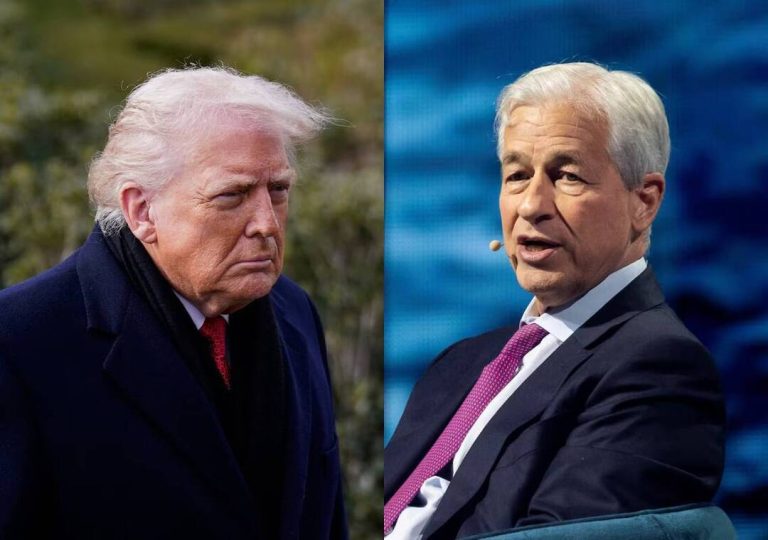
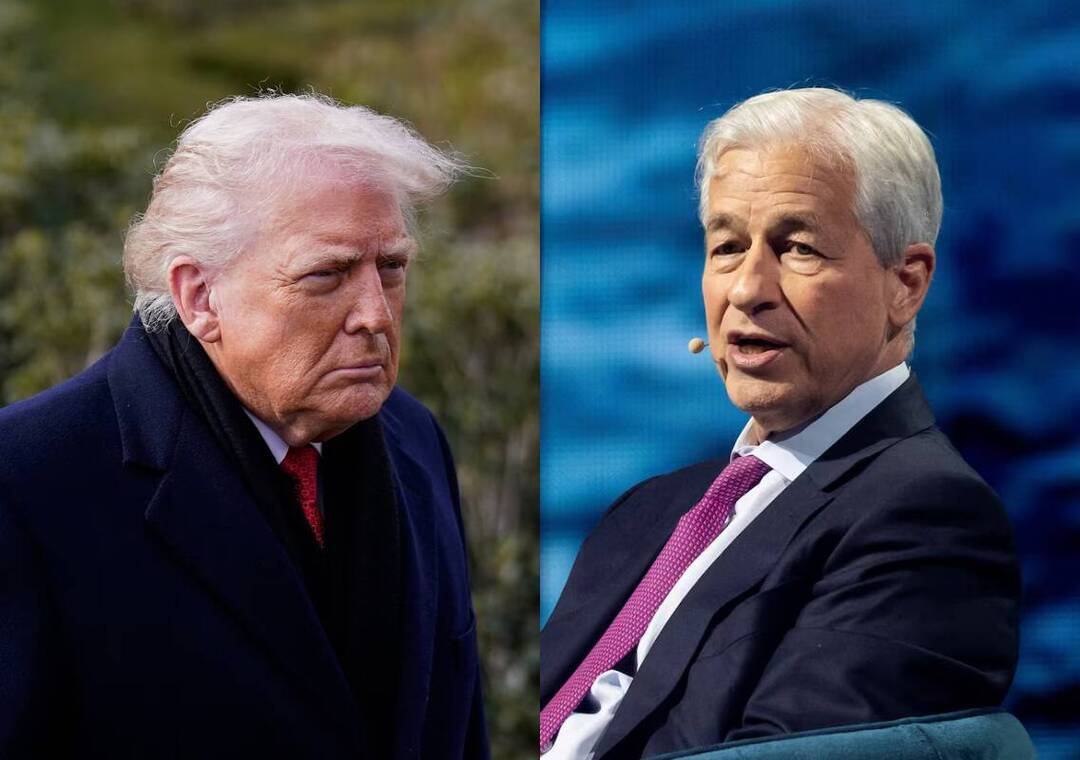
In a shocking move, former US President Donald Trump has sued JPMorgan Chase, the largest bank in the United States, and its CEO Jamie Dimon for a staggering $5 billion (approximately ₹45,800 crore) over allegations of “debanking”. According to Trump, the bank “unilaterally- and without warning or remedy- terminated several of [his] bank accounts” due to its “woke” beliefs that it needs to distance itself from him.
The lawsuit, which has sent shockwaves through the financial world, claims that JPMorgan Chase’s decision to terminate Trump’s bank accounts was a result of the bank’s attempts to appease the liberal elite and curry favor with the Democratic Party. Trump’s lawyers argue that this move was a clear case of political debanking, where a bank deliberately chooses to deny services to a customer based on their political affiliations or beliefs.
Trump, known for his outspoken and often divisive rhetoric, has been a polarizing figure in American politics. His presidency was marked by controversy, and he has continued to be a lightning rod for criticism and scrutiny even after leaving office. However, the question remains: can a bank simply choose to terminate a customer’s accounts based on their political beliefs?
The concept of debanking, also known as “banking censorship”, refers to the practice of banks and financial institutions denying services to certain individuals or groups based on their political affiliations, activities, or beliefs. This can include terminating bank accounts, denying loans, or refusing to provide other financial services.
While banks have the right to choose their customers and manage their risk, debanking can have serious consequences for those affected. It can limit their ability to access basic financial services, conduct business, and even participate in the economy. In Trump’s case, the termination of his bank accounts could have significant implications for his business empire and personal finances.
JPMorgan Chase, on the other hand, has not commented on the lawsuit, citing its policy of not discussing ongoing litigation. However, the bank has faced criticism in the past for its handling of politically sensitive customers. In 2020, the bank faced backlash for its decision to close the accounts of several conservative activists and groups, sparking allegations of debanking and political bias.
The lawsuit against JPMorgan Chase and Jamie Dimon is not the first time Trump has taken on the financial establishment. During his presidency, Trump frequently criticized the Federal Reserve and other financial institutions, accusing them of being overly restrictive and stifling economic growth.
The implications of this lawsuit are far-reaching and could have significant consequences for the banking industry as a whole. If Trump is successful in his lawsuit, it could set a precedent for other individuals and groups who have been debanked or denied financial services based on their political beliefs. On the other hand, if the court rules in favor of JPMorgan Chase, it could embolden banks to continue debanking customers based on their political affiliations.
As the lawsuit makes its way through the courts, it will be closely watched by financial experts, politicians, and the general public. The outcome will have significant implications for the future of banking and finance, and could potentially reshape the way banks interact with their customers.
In conclusion, the lawsuit filed by Donald Trump against JPMorgan Chase and its CEO Jamie Dimon is a complex and contentious issue that raises important questions about the role of banks in society and their relationship with their customers. As the case unfolds, it will be important to consider the potential consequences of debanking and the impact it can have on individuals and groups.
Whether or not Trump is successful in his lawsuit, one thing is clear: the issue of debanking is not going away anytime soon. As the financial world continues to evolve and become increasingly politicized, it is likely that we will see more cases of debanking and banking censorship in the future.
For now, we will have to wait and see how the courts rule on this case. One thing is certain, however: the outcome will have significant implications for the future of banking and finance, and could potentially reshape the way banks interact with their customers.
About the Author