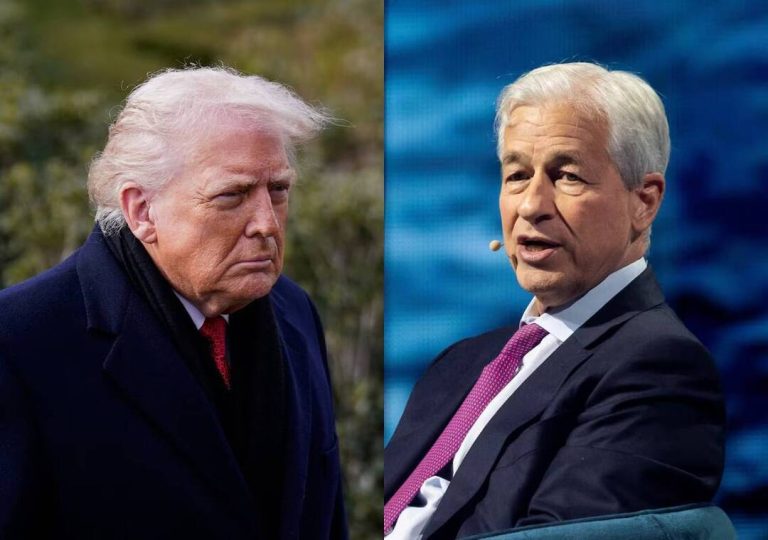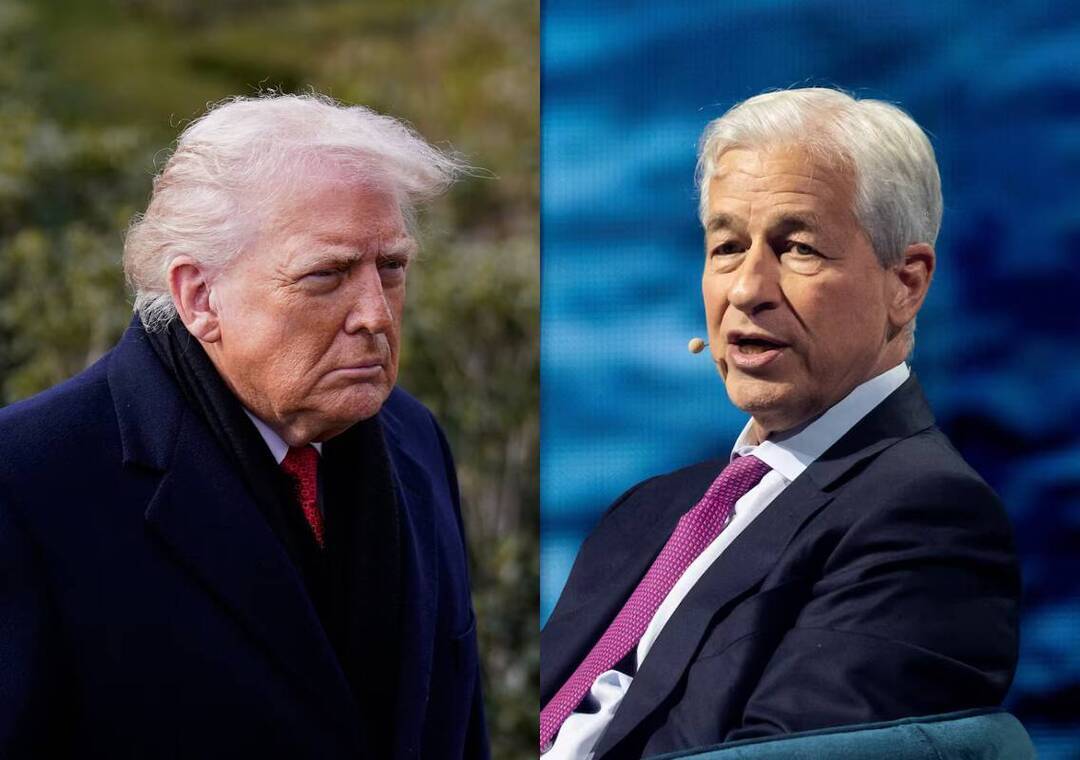
Trump sues US’ largest bank JPMorgan, its CEO for ₹45,800 crore for ‘debanking’
In a shocking turn of events, former US President Donald Trump has filed a lawsuit against JPMorgan Chase, the largest bank in the United States, and its CEO Jamie Dimon for a staggering $5 billion (approximately ₹45,800 crore). The lawsuit alleges that the bank and its CEO engaged in “debanking” – a practice where a bank terminates its relationship with a customer, often without warning or explanation.
According to Trump, JPMorgan “unilaterally- and without warning or remedy- terminated several of [his] bank accounts”. The former President claims that this decision was made as a result of the bank’s “woke” beliefs, which led it to distance itself from him. Trump’s lawsuit argues that JPMorgan’s actions were motivated by a desire to appease the political left and avoid any potential backlash from being associated with him.
The lawsuit is the latest in a long line of controversies surrounding Trump’s business dealings and his relationships with financial institutions. Trump has a history of criticizing banks and other financial institutions, which he claims are biased against him and his supporters. This lawsuit is likely to escalate tensions between Trump and the financial sector, and could have significant implications for the way banks and other financial institutions interact with high-profile customers.
The practice of debanking is not uncommon, particularly in the context of high-risk or high-profile customers. Banks and other financial institutions often terminate relationships with customers who they deem to be too risky or too expensive to maintain. However, Trump’s lawsuit argues that JPMorgan’s actions were motivated by political considerations, rather than any legitimate business or risk-based concerns.
JPMorgan has not commented publicly on the lawsuit, but it is likely to vigorously defend itself against Trump’s allegations. The bank has a long history of working with high-profile customers, including politicians and business leaders, and is likely to argue that its decision to terminate Trump’s accounts was based on legitimate business considerations.
The lawsuit is also likely to raise questions about the role of politics in banking and finance. Trump’s allegations that JPMorgan’s actions were motivated by a desire to appease the political left are likely to resonate with some of his supporters, who have long argued that the financial sector is biased against them. However, others may see the lawsuit as an attempt by Trump to deflect attention from his own business dealings and financial troubles.
Regardless of the outcome of the lawsuit, it is clear that Trump’s relationship with the financial sector is likely to remain contentious. The former President has a history of criticizing banks and other financial institutions, and is likely to continue to do so in the future. This lawsuit is just the latest chapter in a long and ongoing saga, and is likely to have significant implications for the way banks and other financial institutions interact with high-profile customers.
In conclusion, Trump’s lawsuit against JPMorgan Chase and its CEO Jamie Dimon is a significant development in the ongoing saga surrounding the former President’s business dealings and relationships with financial institutions. The lawsuit alleges that JPMorgan engaged in “debanking” and terminated Trump’s accounts without warning or explanation, and argues that this decision was motivated by political considerations. While the outcome of the lawsuit is uncertain, it is clear that Trump’s relationship with the financial sector is likely to remain contentious, and that this lawsuit is just the latest chapter in a long and ongoing story.
About the Author