US Unveils Master Plan to Develop ‘New Gaza’
The United States has unveiled a comprehensive “master plan” to develop a “New Gaza” at the World Economic Forum in Davos, Switzerland. The plan, which was presented by Jared Kushner, the son-in-law of former US President Donald Trump, aims to transform the Gaza Strip into a thriving economic hub. The announcement comes at a time when the region is plagued by violence and instability, with Israeli fire killing five Palestinians in recent days.
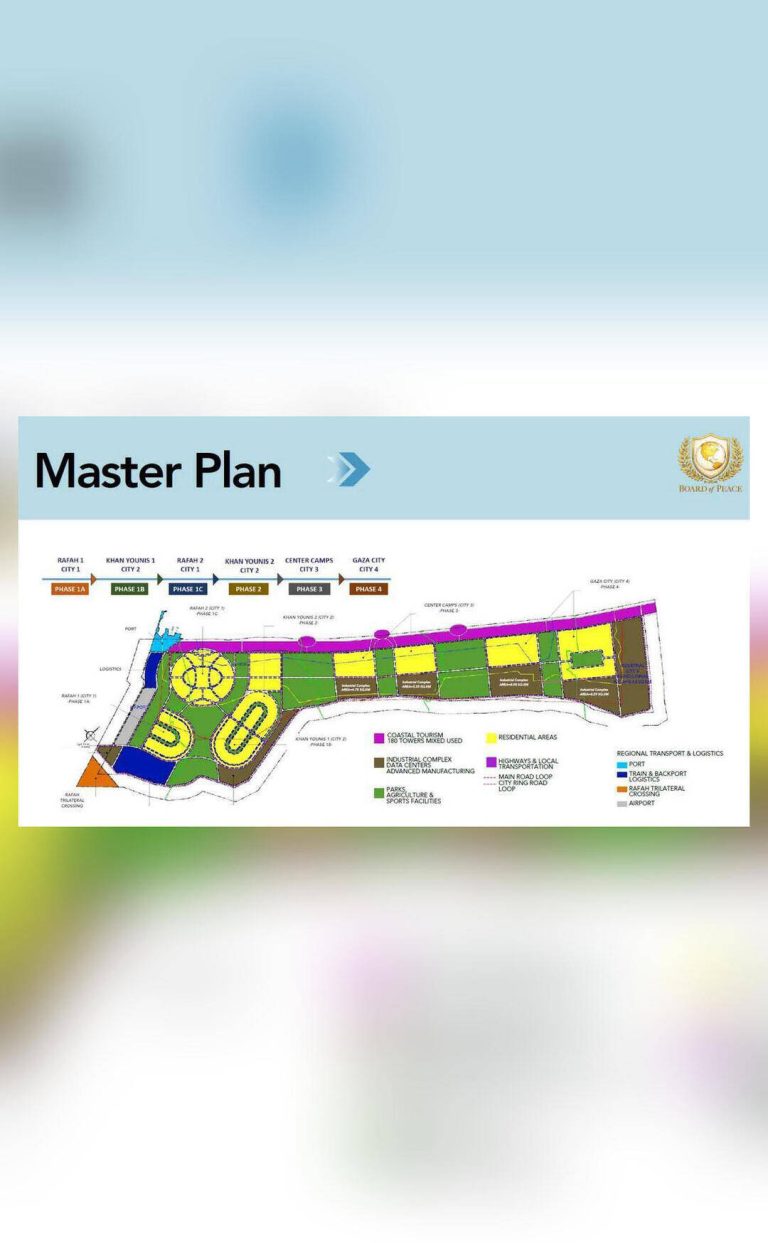
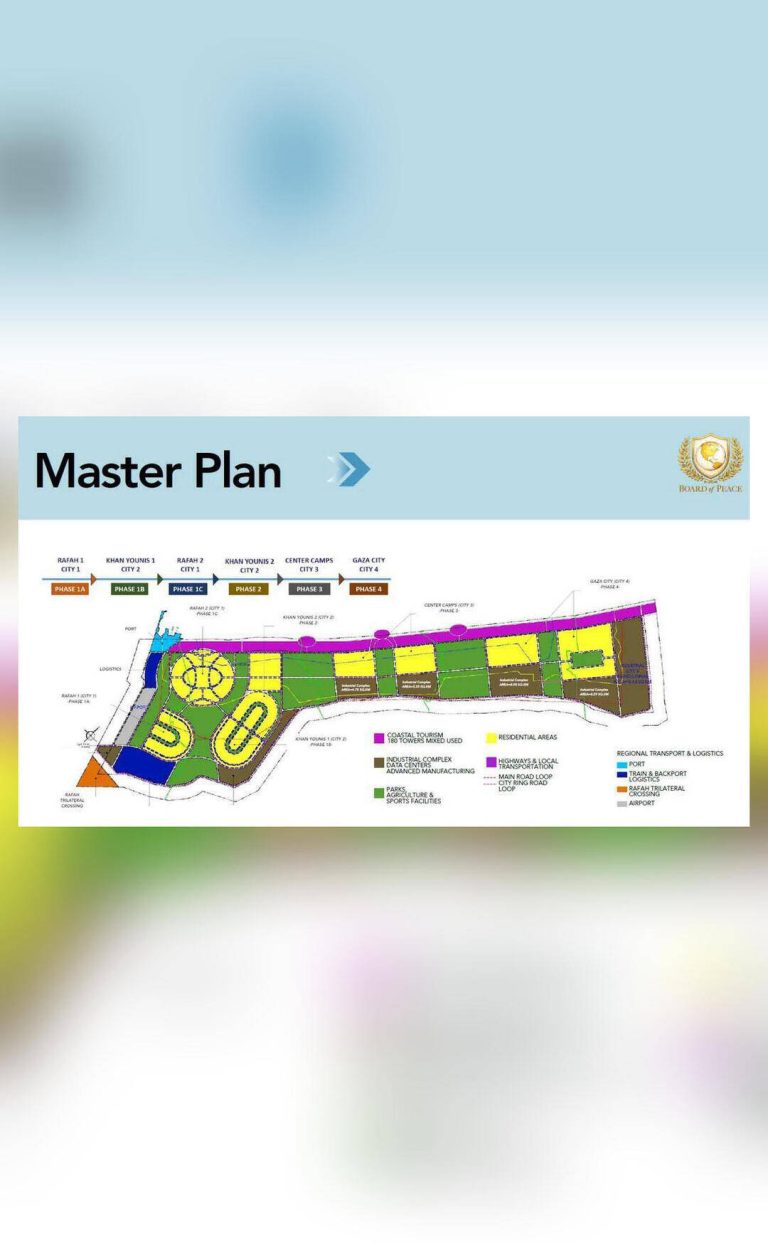
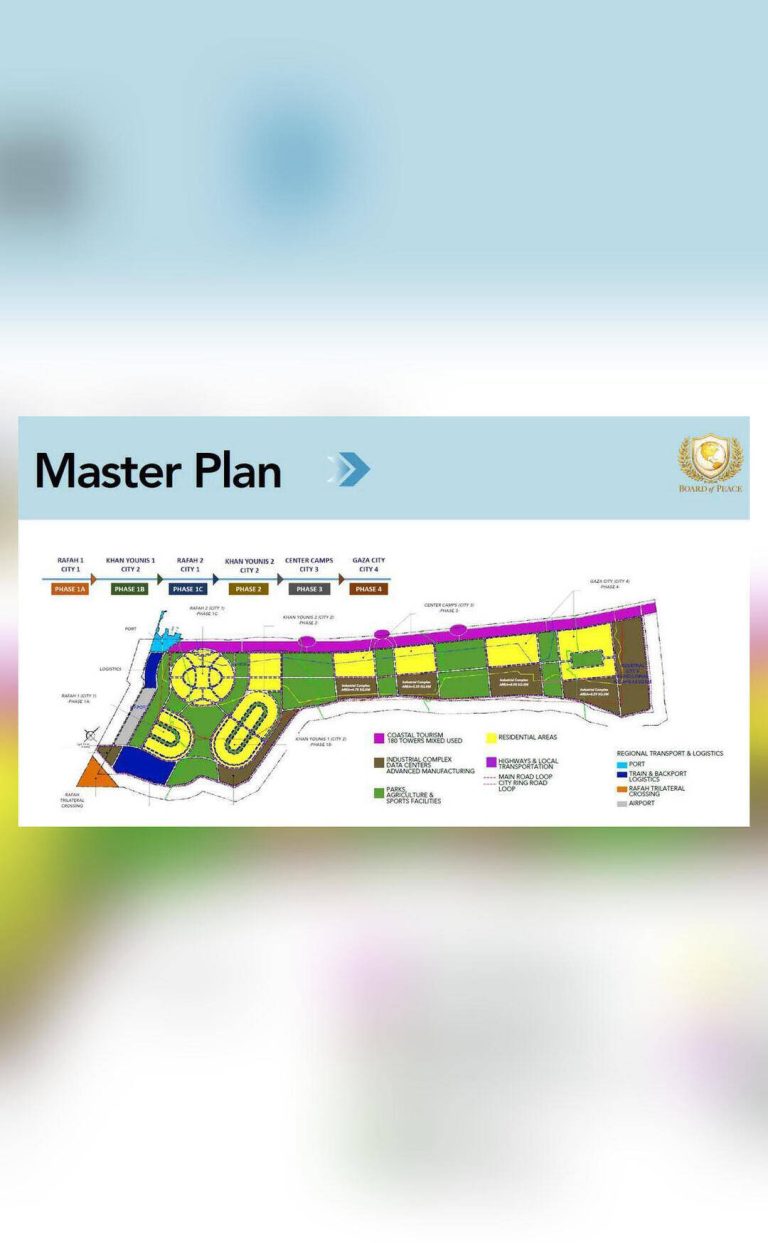
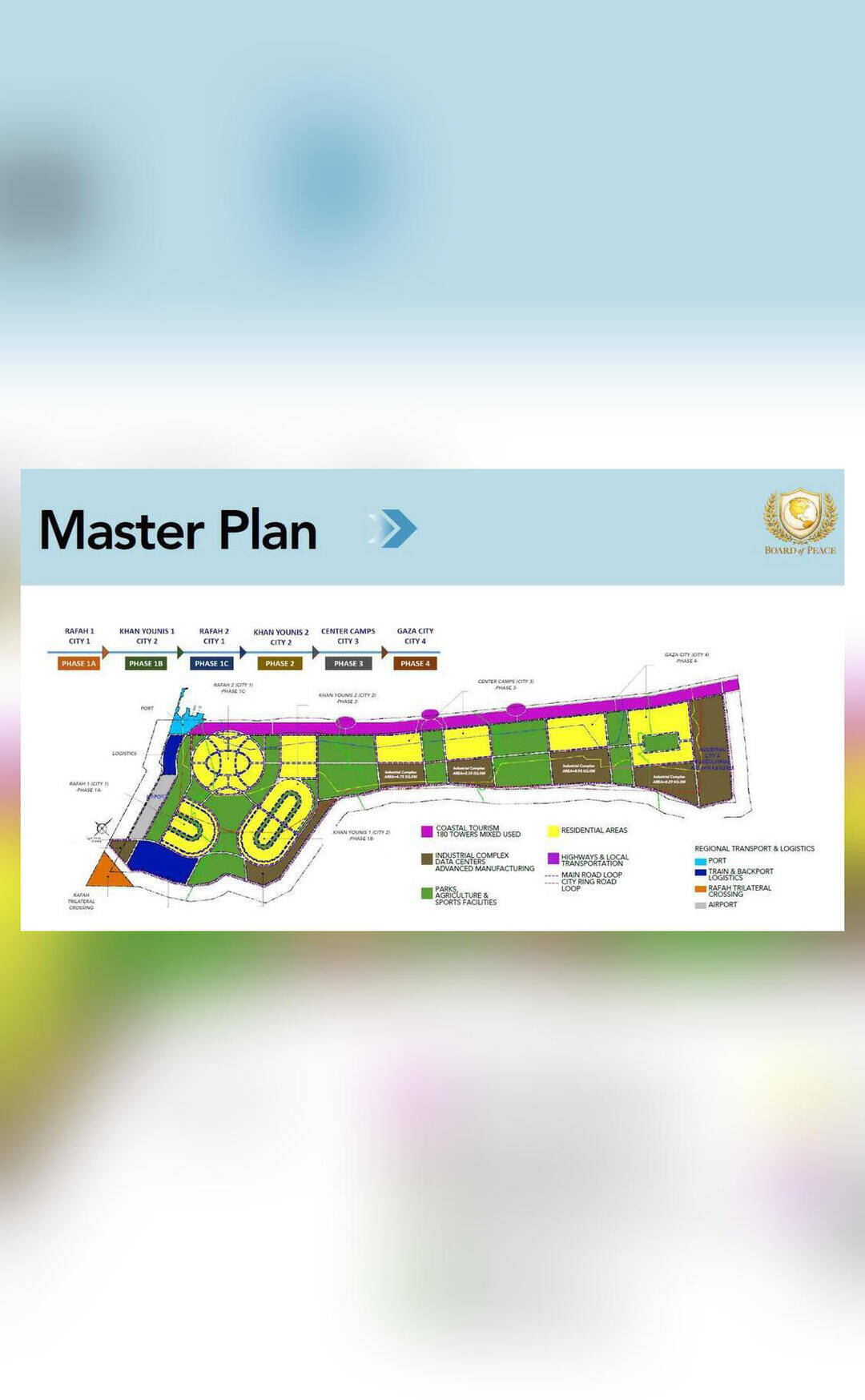
According to Kushner, the plan is a long-term vision for the development of Gaza, which has been ravaged by years of conflict and poverty. The master plan includes a range of ambitious projects, such as the construction of a new seaport, an airport, and a zone for “coastal tourism”. These initiatives are expected to create thousands of jobs and stimulate economic growth in the region.
Kushner, who has been a key player in the US administration’s Middle East peace efforts, was confident about the success of the plan. “People ask us what our plan B is…we don’t have a plan B,” he said, emphasizing the US commitment to the project. The plan is seen as a crucial component of the US administration’s broader strategy to promote peace and stability in the Middle East.
The new seaport, which is a central component of the plan, is expected to become a major hub for trade and commerce in the region. The port will provide Gaza with a much-needed outlet to the sea, enabling the territory to export goods and import essential supplies. The airport, which is also part of the plan, will facilitate the movement of people and goods, making it easier for Palestinians to travel and conduct business.
The “coastal tourism” zone is another key feature of the plan, which aims to capitalize on Gaza’s stunning natural beauty and rich cultural heritage. The zone will include a range of tourist facilities, such as hotels, restaurants, and recreational areas, which will create new opportunities for employment and entrepreneurship.
The US plan has been welcomed by some as a positive step towards promoting economic development and stability in the region. However, others have expressed skepticism about the feasibility and effectiveness of the plan. Some critics have argued that the plan fails to address the underlying political and security issues that have plagued the region for decades.
The plan has also been criticized for its lack of consultation with Palestinian leaders and civil society organizations. Some have argued that the plan is a top-down approach that ignores the needs and aspirations of the Palestinian people. Others have expressed concerns about the potential environmental and social impacts of the plan, particularly in relation to the construction of the seaport and airport.
Despite these criticisms, the US administration remains committed to the plan, which is seen as a key component of its broader Middle East peace strategy. The plan is expected to be implemented in phases, with the first phase focusing on the construction of the seaport and airport. The US has pledged to provide significant funding for the project, which will be supplemented by contributions from other international donors.
In conclusion, the US unveiling of a master plan to develop “New Gaza” is a significant development that has the potential to transform the region. While the plan has been welcomed by some, it has also been criticized for its lack of consultation with Palestinian leaders and civil society organizations. As the plan moves forward, it will be important to address these concerns and ensure that the needs and aspirations of the Palestinian people are taken into account.
The success of the plan will depend on a range of factors, including the level of international support, the willingness of Palestinian leaders to engage with the plan, and the ability of the US administration to address the underlying political and security issues that have plagued the region for decades. As the situation in Gaza remains precarious, with Israeli fire killing five Palestinians in recent days, the need for a comprehensive and sustainable solution to the conflict has never been more urgent.
The US plan to develop “New Gaza” is a step in the right direction, but it must be accompanied by a broader commitment to promoting peace and stability in the region. This will require a sustained effort from the international community, including the US, Israel, and Palestinian leaders, to address the underlying causes of the conflict and promote a just and lasting peace.
As the world watches the developments in Gaza with great interest, it is clear that the US plan to develop “New Gaza” is a complex and challenging initiative. While it has the potential to bring significant economic benefits to the region, it must be accompanied by a deeper commitment to promoting peace and stability. The international community must work together to ensure that the plan is implemented in a way that benefits all parties and promotes a lasting and just peace in the region.
About the Author