US Unveils Master Plan to Develop ‘New Gaza’
In a significant development, the United States unveiled a comprehensive ‘master plan’ to develop ‘New Gaza’ at the World Economic Forum in Davos on Thursday. The plan, which was unveiled by Jared Kushner, the son-in-law of former US President Donald Trump, aims to transform the Gaza Strip into a thriving economic hub. The unveiling of the plan comes at a time when the region is facing significant challenges, including poverty, unemployment, and conflict.
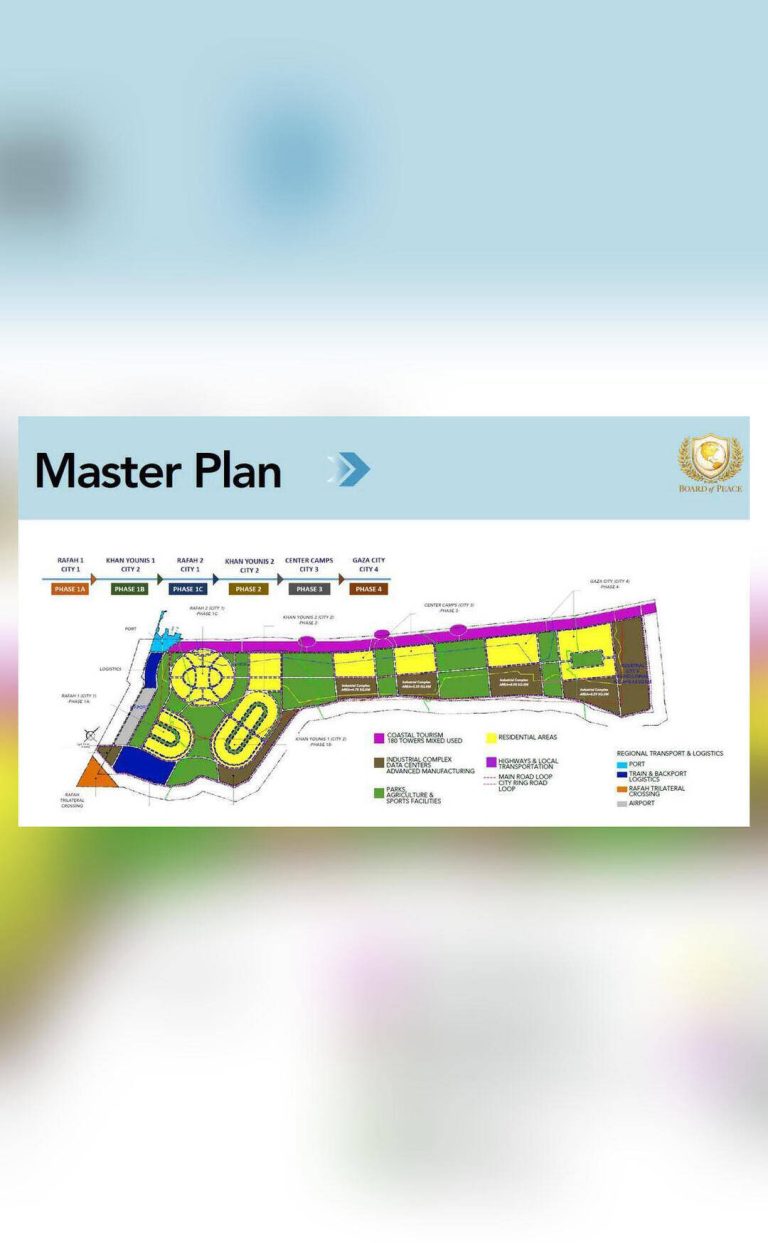
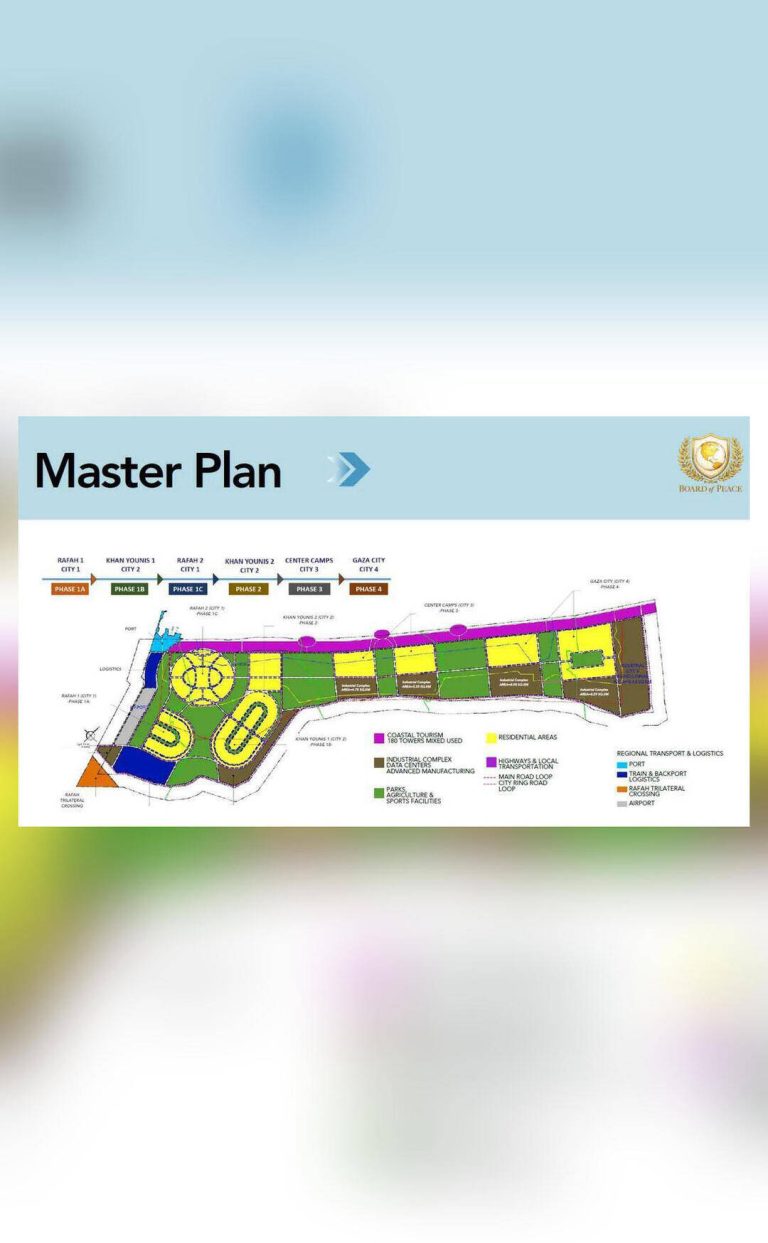
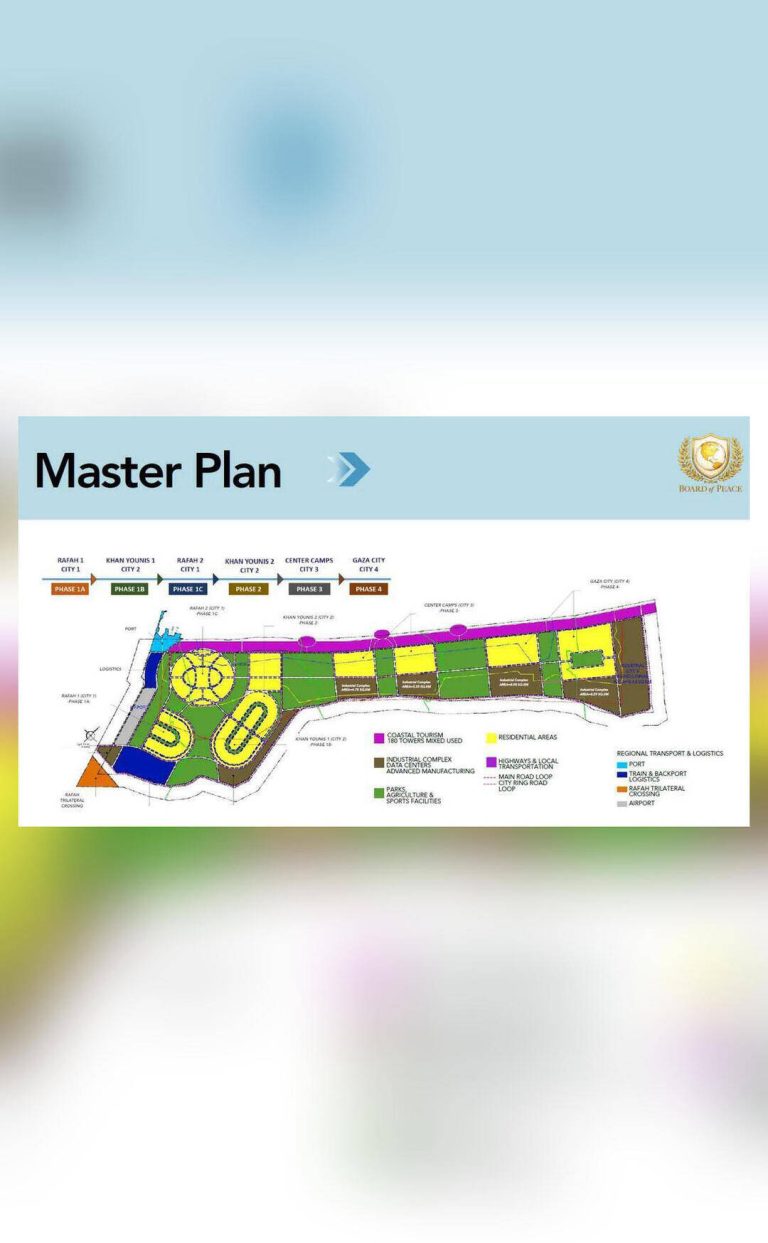
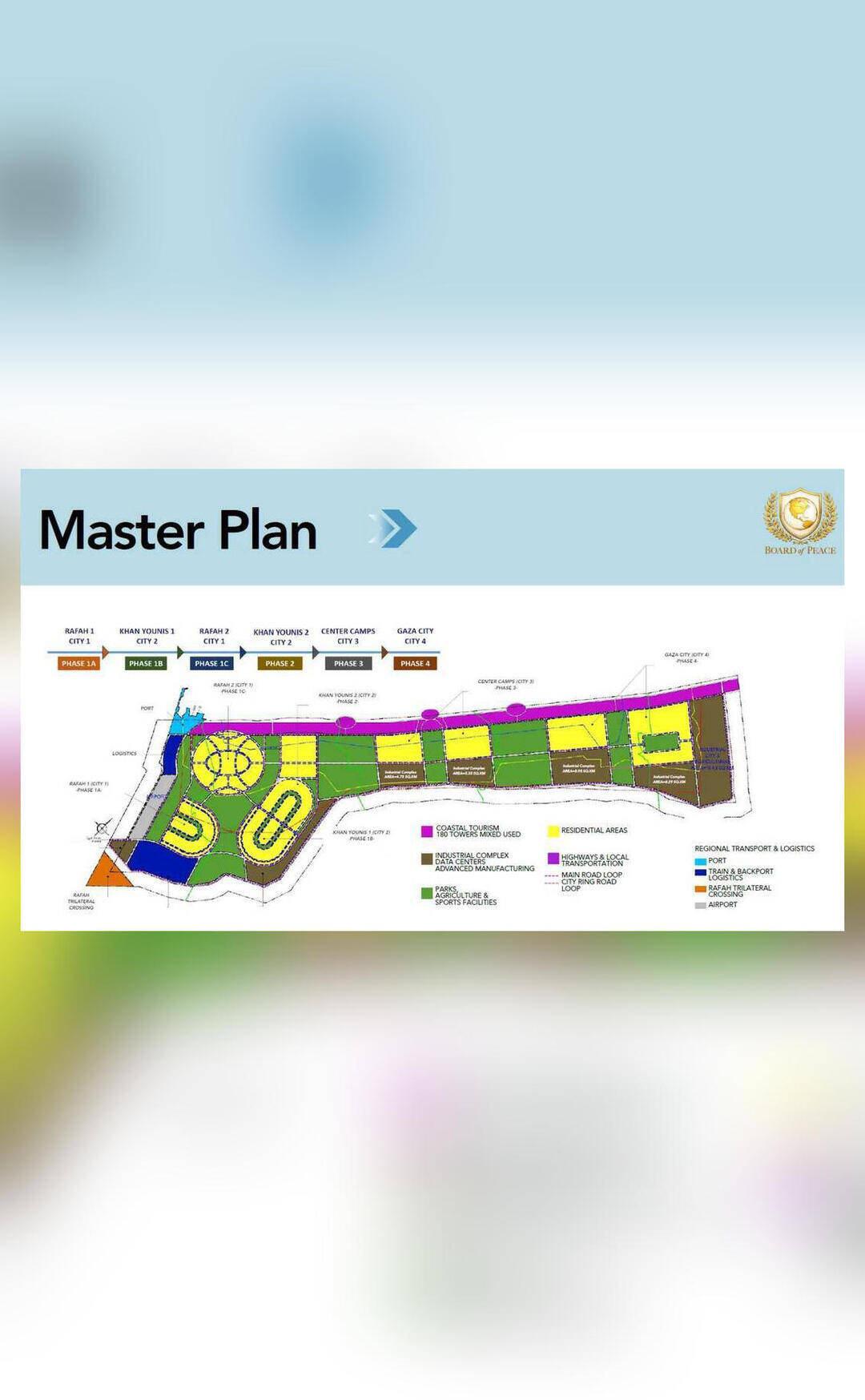
According to Kushner, the plan is a long-term vision for the development of Gaza, and it includes a range of infrastructure projects, including a new seaport, an airport, and a zone for ‘coastal tourism’. The plan also includes proposals for the development of industrial zones, agricultural projects, and renewable energy initiatives. The goal of the plan is to create jobs, stimulate economic growth, and improve the standard of living for the people of Gaza.
Unveiling the plan, Kushner said, “People ask us what our plan B is…we don’t have a plan B.” This statement suggests that the US is committed to the success of the plan and is not considering alternative options. Kushner also emphasized the importance of private sector investment in the development of Gaza, saying that the US is seeking to attract investors from around the world to support the implementation of the plan.
The ‘New Gaza’ plan is a significant development in the history of the region, which has been plagued by conflict and poverty for decades. The Gaza Strip, which is home to over 2 million people, has been under Israeli blockade since 2007, which has had a devastating impact on the local economy. The plan is seen as a way to break the cycle of poverty and violence in the region and to create a more stable and prosperous future for the people of Gaza.
One of the key components of the plan is the development of a new seaport, which will provide a vital outlet for Gaza’s economy. The seaport will enable the import and export of goods, which will help to stimulate economic growth and create jobs. The plan also includes proposals for the development of an airport, which will provide a vital link to the outside world and facilitate the movement of people and goods.
In addition to the seaport and airport, the plan includes a range of other infrastructure projects, including roads, bridges, and telecommunications networks. The plan also includes proposals for the development of industrial zones, which will provide a platform for the growth of manufacturing and industry in Gaza. The development of industrial zones is seen as a key way to create jobs and stimulate economic growth in the region.
The plan also includes a range of social and economic initiatives, including programs to support education, healthcare, and entrepreneurship. The goal of these initiatives is to create a more skilled and educated workforce, which will be better equipped to take advantage of the economic opportunities created by the plan.
The reaction to the plan has been mixed, with some welcoming the initiative as a way to bring peace and prosperity to the region, while others have expressed skepticism about the feasibility of the plan. Some have questioned the ability of the US to deliver on the plan, given the complexity of the challenges facing the region. Others have expressed concerns about the potential impact of the plan on the environment and the local community.
Despite these concerns, the ‘New Gaza’ plan is seen as a significant step forward in the development of the region. The plan has the potential to create jobs, stimulate economic growth, and improve the standard of living for the people of Gaza. The plan also has the potential to contribute to a more stable and peaceful future for the region, which is a goal that is shared by people around the world.
In conclusion, the US unveiling of a ‘master plan’ to develop ‘New Gaza’ is a significant development in the history of the region. The plan, which includes a range of infrastructure projects and social and economic initiatives, has the potential to create jobs, stimulate economic growth, and improve the standard of living for the people of Gaza. While there are challenges to be overcome, the plan is seen as a way to break the cycle of poverty and violence in the region and to create a more stable and prosperous future for the people of Gaza.
About the Author