US Unveils Master Plan to Develop ‘New Gaza’
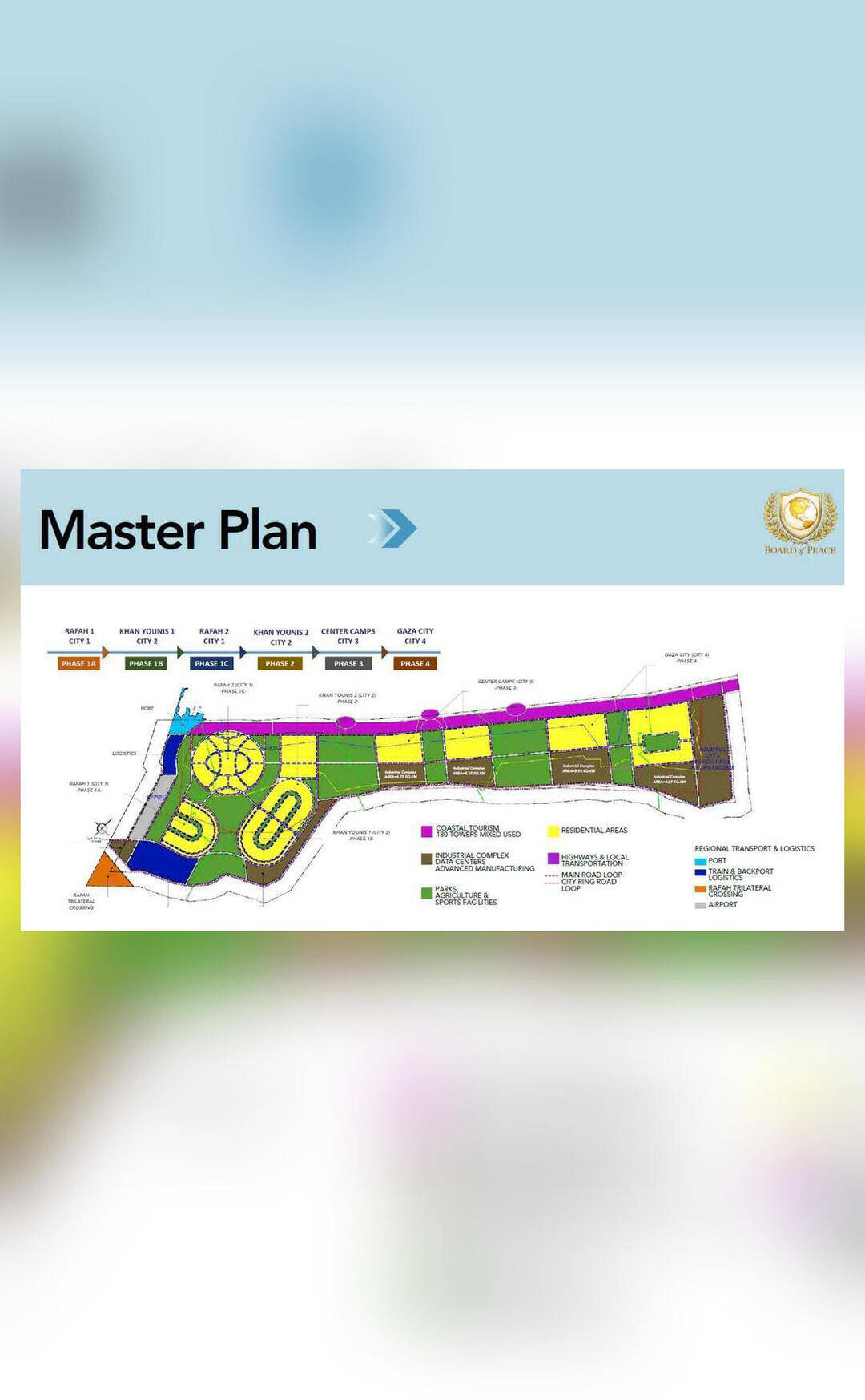
The United States has unveiled a comprehensive “master plan” to develop ‘New Gaza’ at the World Economic Forum in Davos on Thursday. The plan, which was presented by Jared Kushner, son-in-law of former President Donald Trump, aims to transform the Gaza Strip into a thriving economic hub. The unveiling of the plan comes at a time when the region is plagued by conflict and instability, and the international community is eagerly awaiting a solution to the long-standing Israeli-Palestinian crisis.
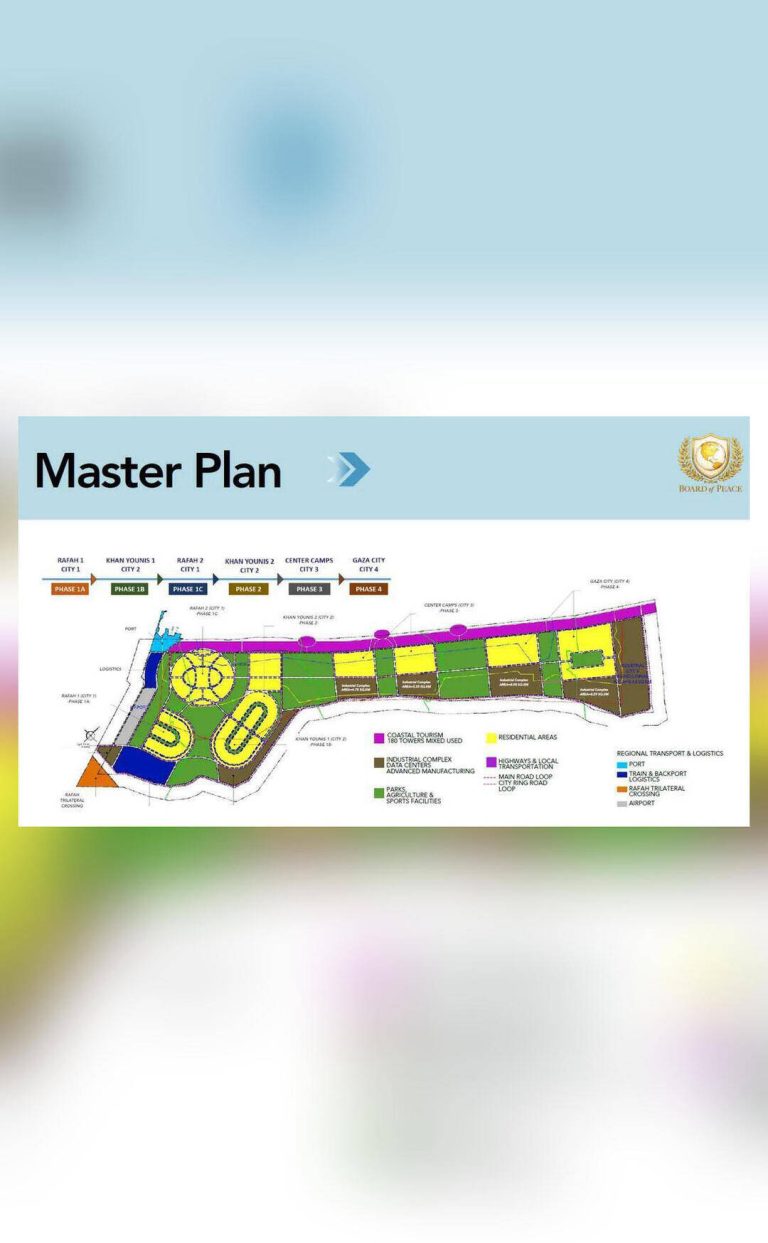
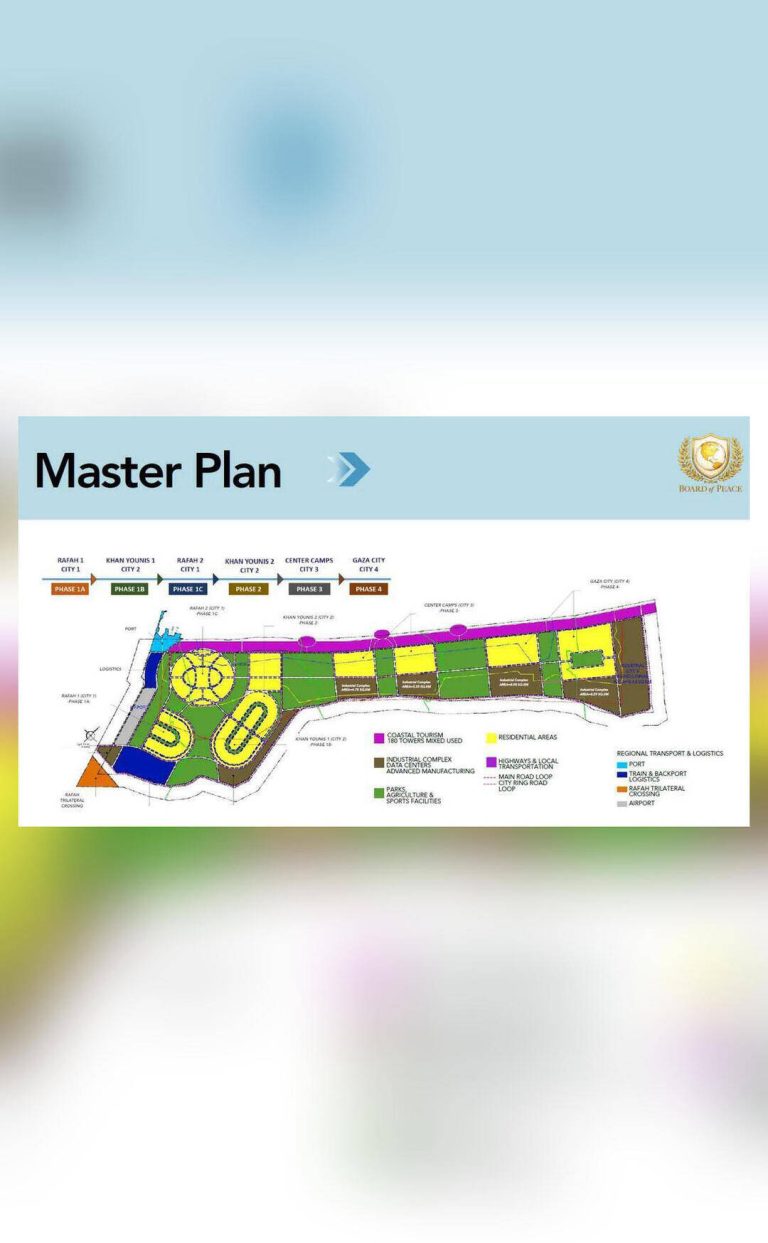
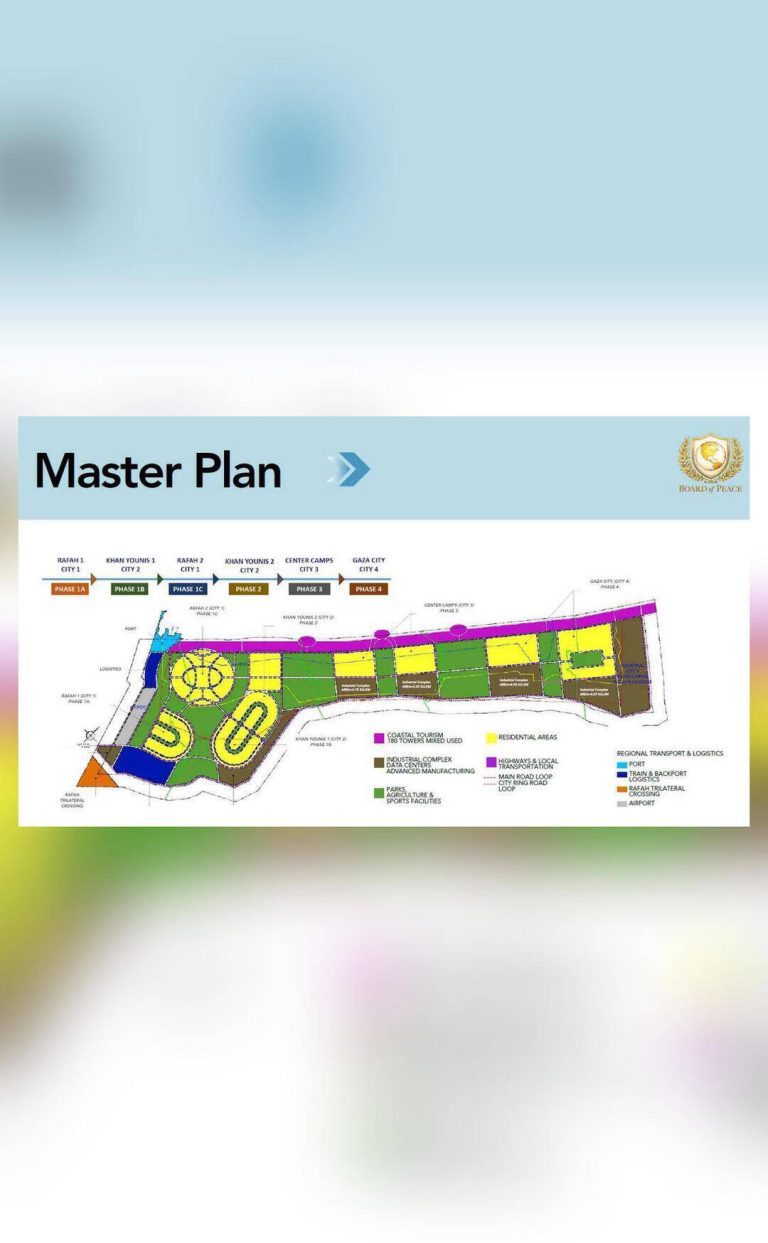
According to Kushner, the plan is a holistic approach to developing the Gaza Strip, which has been ravaged by years of conflict and poverty. The plan includes a range of infrastructure projects, including a new seaport, an airport, and a zone for “coastal tourism”. The seaport, which will be built with the help of international investors, is expected to create thousands of jobs and stimulate economic growth in the region. The airport, on the other hand, will provide a vital link to the outside world, facilitating the movement of people and goods in and out of the Gaza Strip.
The plan also includes a range of other initiatives, such as the development of industrial zones, the creation of a new desalination plant, and the construction of a power plant. These projects are expected to provide a major boost to the local economy, creating jobs and stimulating economic growth. The plan also includes a range of social initiatives, such as the development of new schools, hospitals, and other public facilities.
One of the most significant aspects of the plan is the creation of a “coastal tourism” zone, which will be designed to attract tourists from around the world. The zone will feature a range of amenities, including hotels, restaurants, and recreational facilities, and will provide a unique opportunity for visitors to experience the rich culture and history of the region. The development of the tourism sector is expected to create thousands of jobs and generate significant revenue for the local economy.
Kushner, who has been a key player in the development of the plan, was optimistic about its prospects for success. “People ask us what our plan B is…we don’t have a plan B,” he said, emphasizing the importance of the plan and the need for international support. The plan has been developed in consultation with a range of stakeholders, including the Israeli and Palestinian authorities, as well as international investors and experts.
The unveiling of the plan has been met with a mixed reaction from the international community. While some have welcomed the plan as a positive step towards peace and prosperity in the region, others have expressed skepticism about its viability. Some have questioned the feasibility of the plan, given the ongoing conflict and instability in the region. Others have raised concerns about the potential impact of the plan on the local population, and the need for greater consultation and involvement from Palestinian stakeholders.
Despite these concerns, the plan has the potential to be a game-changer for the region. The development of the Gaza Strip has long been hindered by conflict and instability, and the lack of investment and infrastructure has had a devastating impact on the local economy. The plan provides a unique opportunity for the international community to come together and support the development of the region, and to help create a more peaceful and prosperous future for the people of Gaza.
The plan is also significant because it marks a shift in the approach of the international community to the Israeli-Palestinian conflict. For decades, the focus has been on negotiating a two-state solution, with the establishment of an independent Palestinian state alongside the state of Israel. However, the plan unveiled in Davos takes a different approach, focusing on economic development and cooperation as a way to build trust and create a more peaceful and stable region.
The success of the plan will depend on a range of factors, including the level of international support and investment, as well as the ability of the Israeli and Palestinian authorities to work together and cooperate on its implementation. It will also require a significant reduction in violence and instability in the region, and a commitment from all parties to work towards a more peaceful and prosperous future.
In conclusion, the unveiling of the “master plan” to develop ‘New Gaza’ is a significant development in the Israeli-Palestinian conflict. The plan has the potential to be a game-changer for the region, providing a unique opportunity for economic development and cooperation. While there are concerns about its viability and potential impact, the plan is a positive step towards peace and prosperity in the region. As the international community comes together to support the development of the Gaza Strip, it is essential that all parties work towards a more peaceful and stable future, and that the plan is implemented in a way that benefits the local population and promotes economic growth and development.
About the Author