Trump sues US’ largest bank JPMorgan, its CEO for ₹45,800 crore for ‘debanking’
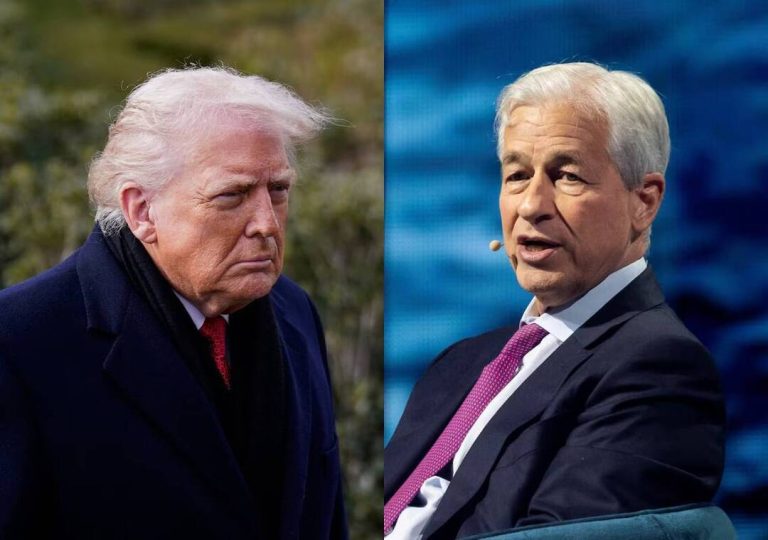
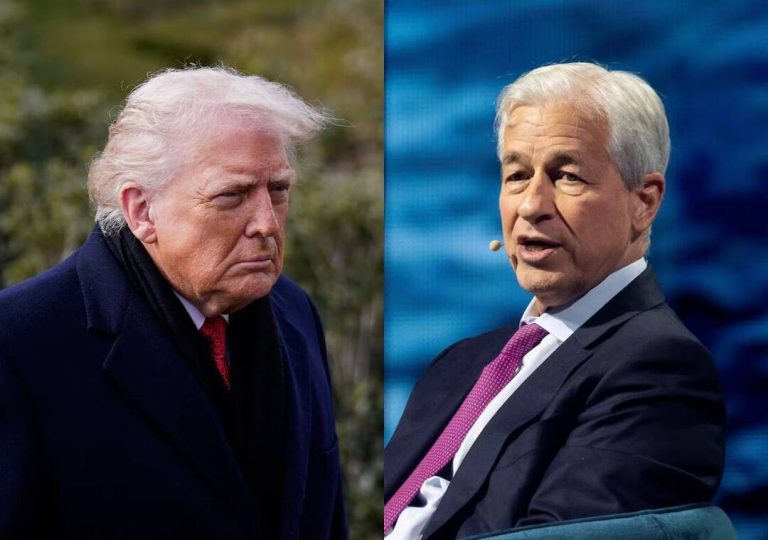
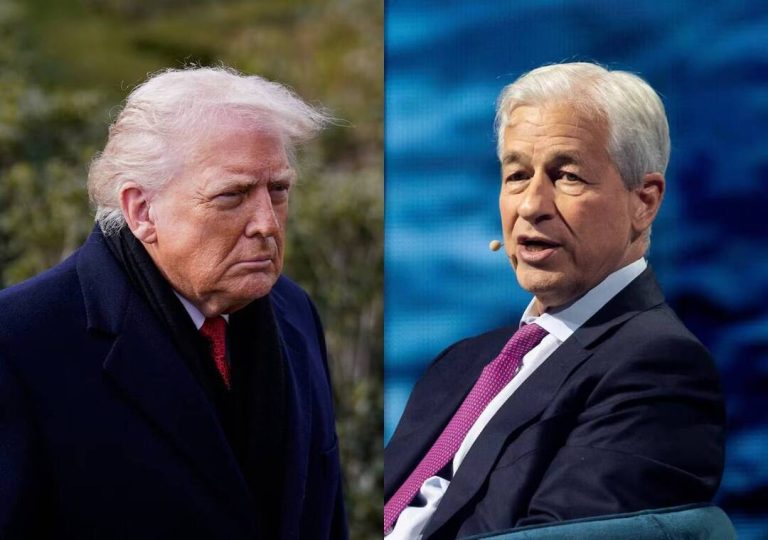
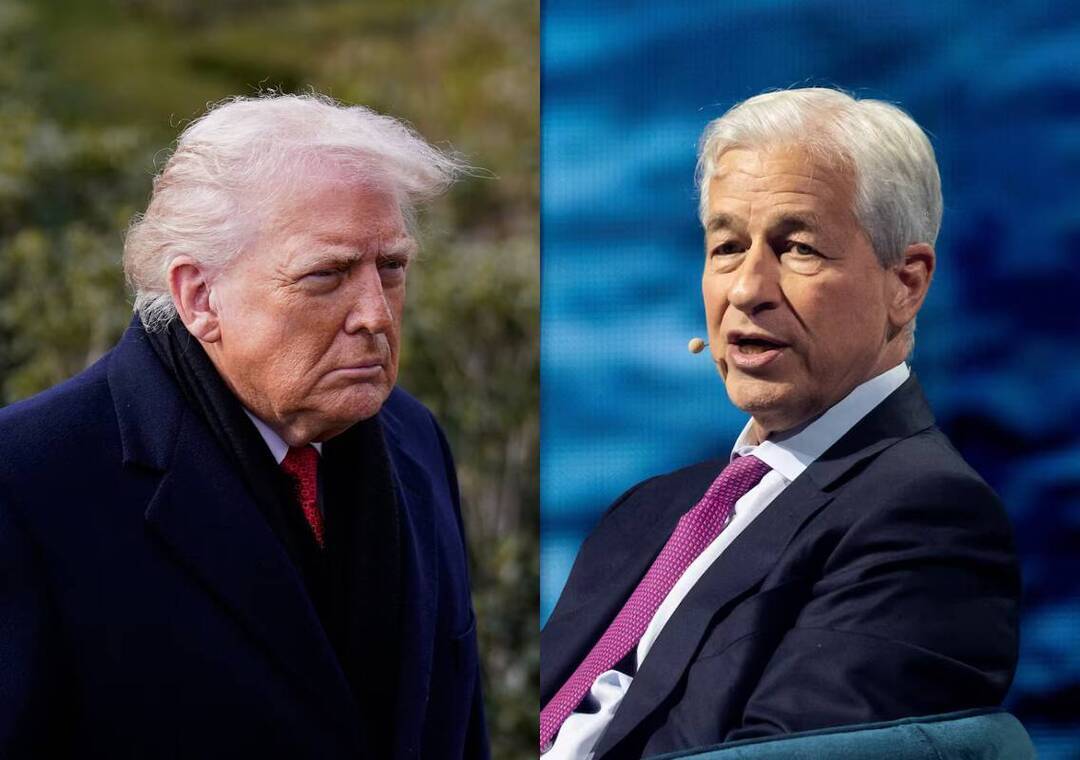
In a shocking turn of events, former US President Donald Trump has sued JPMorgan Chase, the largest bank in the United States, and its CEO Jamie Dimon for a staggering $5 billion (approximately ₹45,800 crore) for alleged “debanking”. The lawsuit, which has sent shockwaves through the financial world, claims that JPMorgan “unilaterally- and without warning or remedy- terminated several of [Trump’s] bank accounts” due to the bank’s “woke” beliefs.
According to Trump, JPMorgan’s decision to terminate his bank accounts was a result of the bank’s desire to distance itself from him, citing his political views and affiliations. Trump has long been a controversial figure, and his presidency was marked by numerous scandals and controversies. However, the question remains as to whether a bank can simply terminate a customer’s account without warning or justification, simply because of their political beliefs.
The concept of “debanking” refers to the practice of banks and financial institutions refusing to provide services to certain individuals or organizations, often due to their political views or affiliations. This practice has become increasingly common in recent years, with many banks and financial institutions facing pressure from activists and politicians to cut ties with certain individuals or groups.
In Trump’s case, the lawsuit claims that JPMorgan’s decision to terminate his bank accounts was a result of the bank’s “woke” culture, which prioritizes political correctness and social justice over customer service and loyalty. Trump’s lawyers argue that JPMorgan’s actions were motivated by a desire to appease liberal activists and politicians, who have long been critical of Trump and his policies.
The lawsuit also claims that JPMorgan’s CEO, Jamie Dimon, was personally involved in the decision to terminate Trump’s bank accounts. Dimon, who has been a vocal critic of Trump in the past, has denied any wrongdoing, stating that JPMorgan’s decision to terminate Trump’s accounts was based on standard banking practices and risk management protocols.
However, Trump’s lawsuit tells a different story. According to the lawsuit, JPMorgan’s decision to terminate Trump’s accounts was a result of a coordinated effort by the bank’s executives and board members to distance themselves from Trump and his political views. The lawsuit claims that JPMorgan’s actions were motivated by a desire to curry favor with liberal politicians and activists, who have long been critical of Trump and his policies.
The implications of this lawsuit are far-reaching and could have significant consequences for the banking industry as a whole. If JPMorgan is found to have engaged in “debanking” Trump due to his political views, it could set a precedent for other banks and financial institutions to follow suit. This could have a chilling effect on free speech and political expression, as individuals and organizations may be reluctant to express their views or engage in political activities for fear of being “debanked”.
Furthermore, the lawsuit raises important questions about the role of banks and financial institutions in society. Should banks be allowed to terminate customer accounts without warning or justification, simply because of their political views or affiliations? Or should banks be required to provide services to all customers, regardless of their political beliefs or affiliations?
Ultimately, the outcome of this lawsuit will depend on the specific facts and circumstances of the case. However, one thing is clear: the concept of “debanking” is a serious issue that requires careful consideration and attention. As the banking industry continues to evolve and grow, it is essential that banks and financial institutions prioritize customer service and loyalty, while also respecting the rights and freedoms of all individuals, regardless of their political views or affiliations.
In conclusion, the lawsuit filed by Donald Trump against JPMorgan Chase and its CEO Jamie Dimon is a significant development that highlights the growing issue of “debanking” in the banking industry. As the case makes its way through the courts, it will be important to watch for any developments or updates that may shed further light on the issue. For now, one thing is clear: the concept of “debanking” is a serious issue that requires careful consideration and attention.
About the Author