Somalians turned out to have higher IQ than we thought: Trump on $19-bn daycare fraud
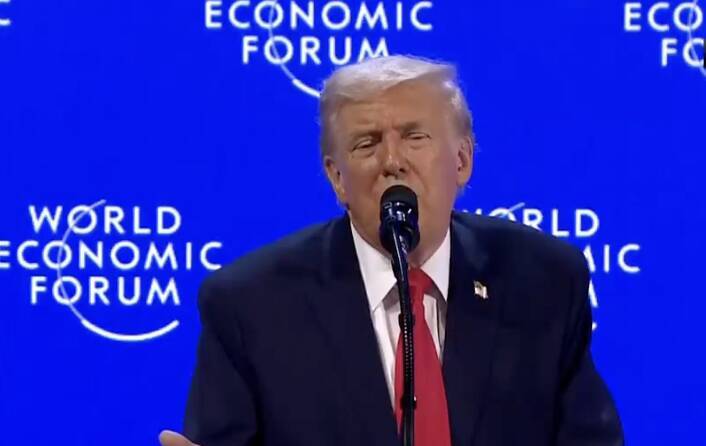
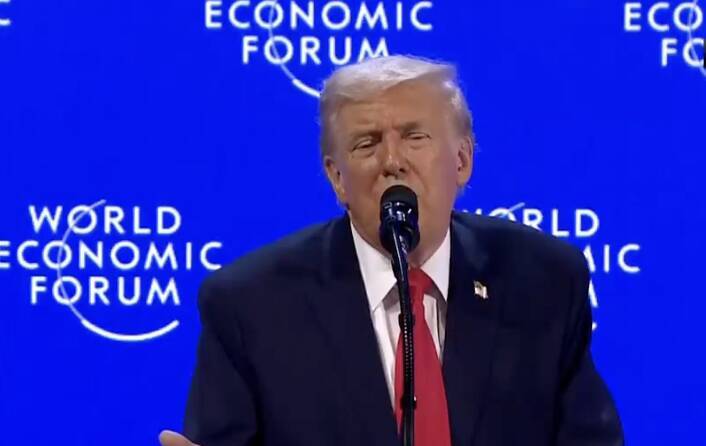
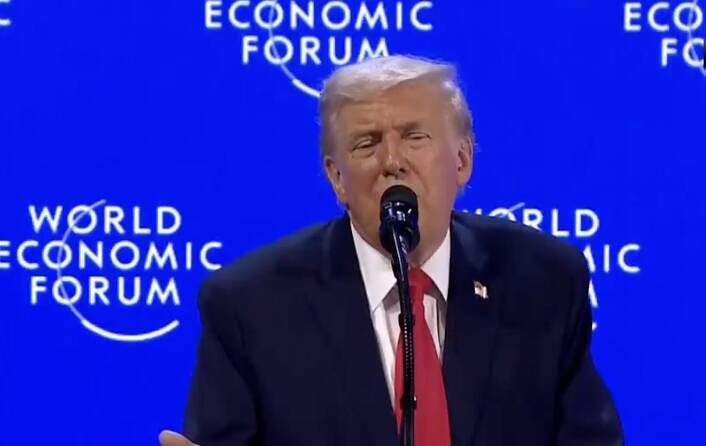
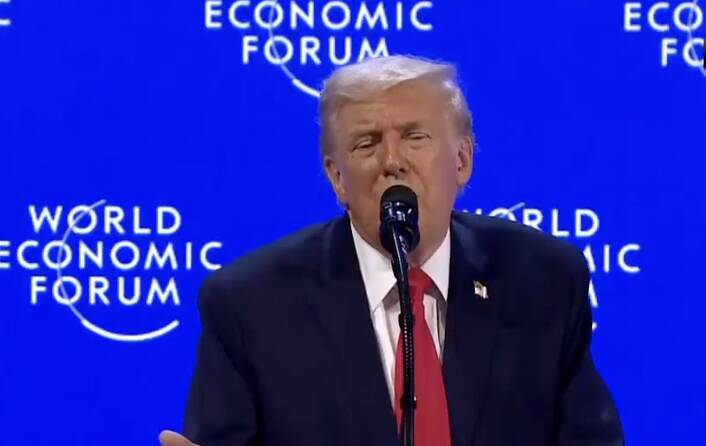
In a shocking and inflammatory statement, US President Donald Trump claimed that Somalian-Americans had committed a staggering $19-billion daycare fraud in the state of Minnesota. The remarks, which have sparked widespread outrage and condemnation, were made during a speech at the World Economic Forum (WEF). Trump’s comments not only perpetuate negative stereotypes about the Somali community but also demonstrate a profound lack of understanding about the complexities of the issue.
According to Trump, “Can you believe that? Somalians turned out to have a higher IQ than we thought…They are pirates.” These words are not only insulting but also factually incorrect. The notion that an entire community can be labeled as “pirates” is a gross oversimplification and a blatant example of xenophobic rhetoric. Furthermore, the idea that Somalians have a higher IQ than previously thought is a backhanded compliment at best, implying that the community’s intelligence and capabilities were previously underestimated.
Trump’s comments also took aim at Ilhan Omar, a Somali-American congresswoman from Minnesota. Referring to her as a “fake congressperson,” Trump stated, “This fake congressperson…comes from a country that’s not a country and she’s telling us how to run America.” This statement is not only a personal attack on Omar but also a reflection of Trump’s broader views on immigration and diversity. The implication that Somalia is “not a country” is a disturbing display of ignorance, as Somalia is, in fact, a sovereign nation with a rich history and culture.
The alleged $19-billion daycare fraud in Minnesota has been a topic of controversy in recent months. While there have been reports of fraudulent activity in the state’s daycare system, there is no evidence to suggest that Somalian-Americans are disproportionately responsible for the fraud. In fact, a report by the Minnesota Department of Human Services found that the majority of fraudulent activity was committed by a small group of individuals, many of whom were not of Somali descent.
It is essential to approach this issue with nuance and understanding, rather than relying on simplistic and xenophobic explanations. The Somali community in Minnesota, like many other immigrant communities, faces unique challenges and barriers to success. Rather than perpetuating negative stereotypes and conspiracy theories, we should be working to support and empower these communities, recognizing the valuable contributions they make to our society.
Trump’s comments have been widely condemned by lawmakers, community leaders, and advocacy groups. Many have denounced the statements as racist, xenophobic, and divisive, highlighting the harm that such rhetoric can cause to already vulnerable communities. As we move forward, it is crucial that we prioritize fact-based discourse and work to build bridges of understanding, rather than relying on inflammatory and divisive language.
In conclusion, Trump’s comments on the alleged $19-billion daycare fraud in Minnesota are a stark reminder of the dangers of xenophobic and racist rhetoric. Rather than perpetuating negative stereotypes and conspiracy theories, we should be working to support and empower immigrant communities, recognizing the valuable contributions they make to our society. As we strive to build a more inclusive and equitable society, it is essential that we prioritize fact-based discourse and condemn inflammatory language that seeks to divide us.
Source: https://x.com/atrupar/status/2013986907684839660
About the Author