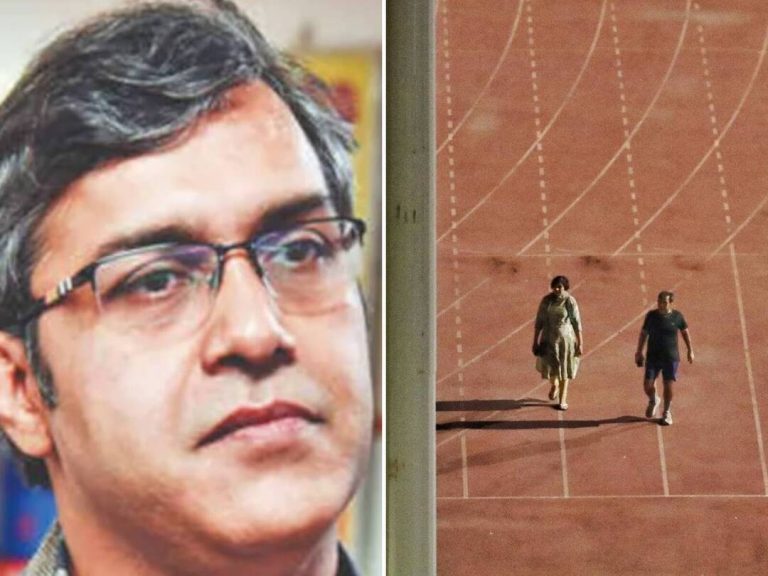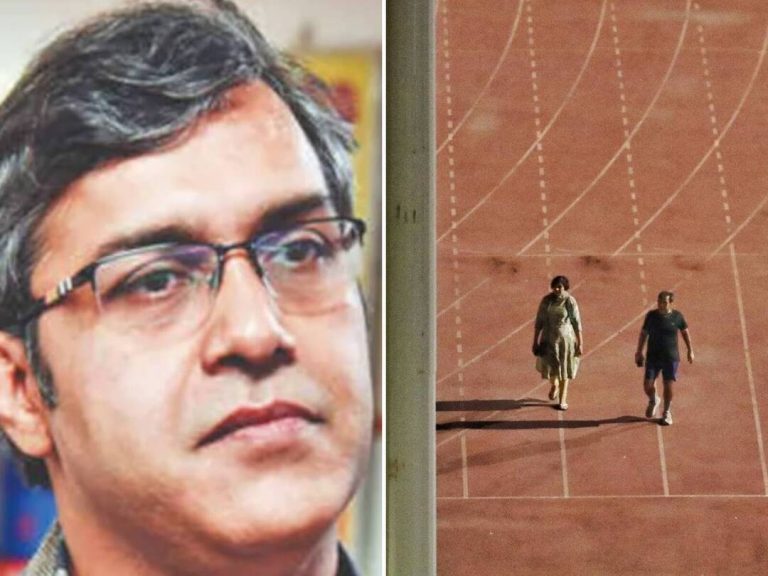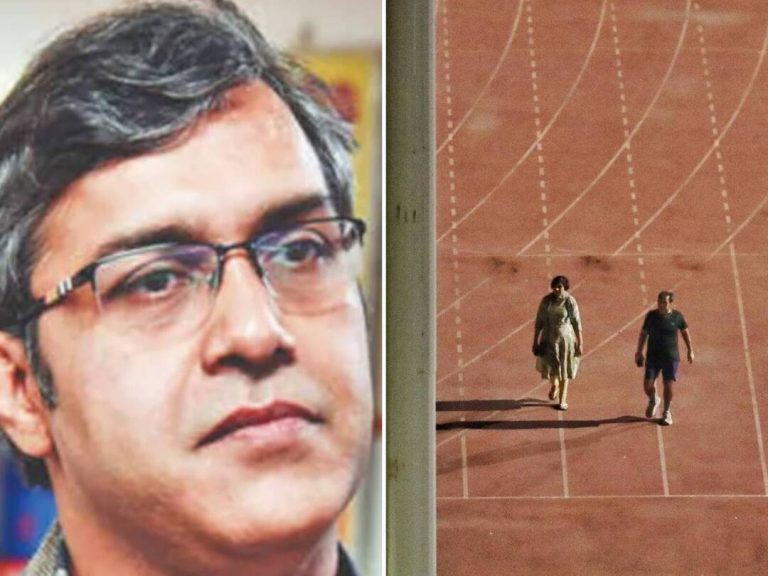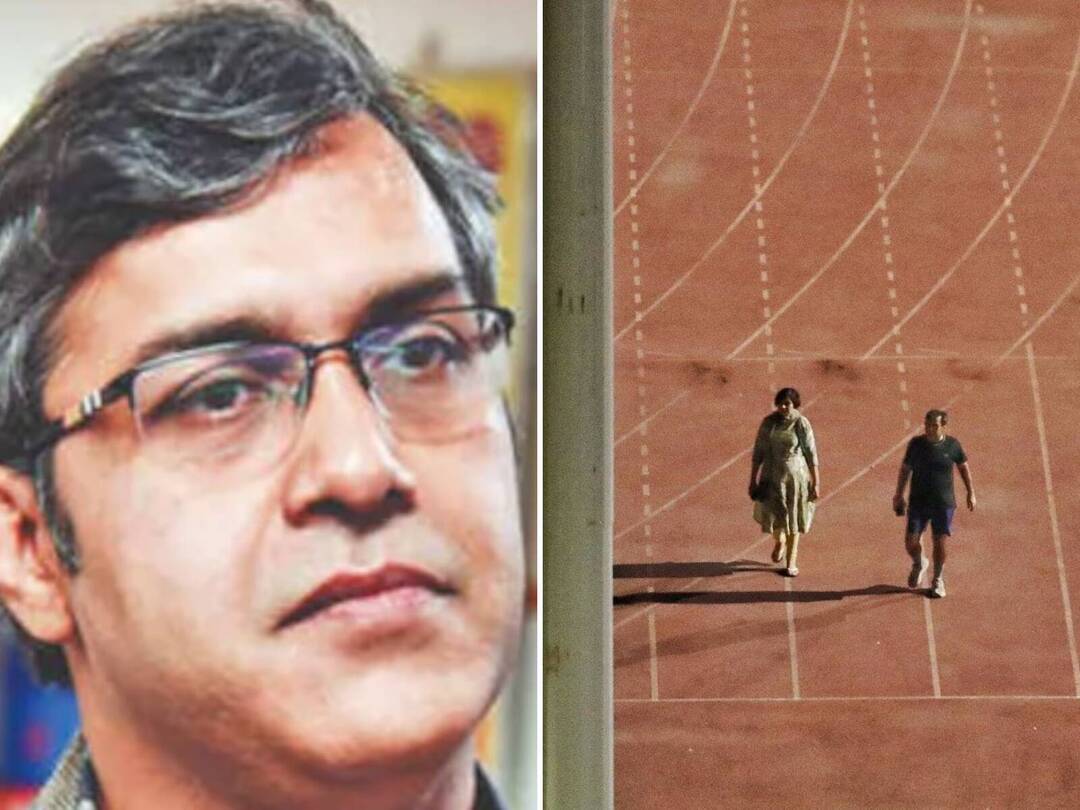
IAS officer shunted for emptying stadium to walk dog returns to Delhi as MCD commissioner
In a surprising turn of events, IAS officer Sanjeev Khirwar, who was at the center of a controversy in 2022 for allegedly emptying a Delhi government-run stadium to walk his dog, has returned to the national capital as the new Municipal Corporation of Delhi (MCD) Commissioner. A notification by the Ministry of Home Affairs (MHA) has confirmed Khirwar’s appointment, sparking a mix of reactions from the public and the athletic community.
For those who may not be aware, the controversy surrounding Khirwar dates back to 2022, when he was serving as the Principal Secretary (Revenue) of the Delhi government. Athletes training at the Thyagraj Stadium, a government-run facility, alleged that they were asked to wrap up their training sessions earlier than usual to accommodate Khirwar’s unusual request. The reason? He wanted to walk his dog at the stadium. The incident sparked widespread outrage, with many criticizing Khirwar’s misuse of power and blatant disregard for the athletes who used the stadium for their training.
The controversy eventually led to Khirwar’s transfer out of Delhi, with many assuming that his career had taken a significant hit. However, it appears that Khirwar has managed to bounce back, and his appointment as the MCD Commissioner has raised several eyebrows. The question on everyone’s mind is: how did Khirwar manage to secure such a prestigious position, given his past track record?
As the new MCD Commissioner, Khirwar will be responsible for overseeing the functioning of the municipal corporation, which includes managing the city’s infrastructure, sanitation, and public services. While Khirwar’s experience as a bureaucrat may have qualified him for the role, his past actions have raised concerns about his ability to prioritize the needs of the public over his own personal interests.
The athletic community, in particular, is likely to be upset by Khirwar’s appointment. The incident at the Thyagraj Stadium had highlighted the struggles that athletes face in accessing quality training facilities, and Khirwar’s actions had only exacerbated the problem. The fact that he has now been appointed to a position of power, where he will be responsible for managing public resources, including sports infrastructure, is likely to be seen as a setback for the athletic community.
Moreover, Khirwar’s appointment has also raised questions about the accountability of bureaucrats and the consequences of their actions. If an IAS officer can be transferred out of a position for misusing their power, only to be reinstated in a more prestigious role a short while later, it sends a worrying message about the lack of accountability within the bureaucracy.
As the news of Khirwar’s appointment spreads, it is likely to spark a debate about the role of bureaucrats in public service and the need for greater accountability. While Khirwar’s experience and qualifications may have made him a strong candidate for the position, his past actions cannot be ignored. It remains to be seen how he will use his new role to serve the public interest, and whether he will be able to redeem himself in the eyes of the athletic community and the general public.
In conclusion, the appointment of Sanjeev Khirwar as the MCD Commissioner is a surprising turn of events, given his past controversy. While he may have the experience and qualifications for the role, his actions in the past have raised concerns about his ability to prioritize the needs of the public. As he takes on his new role, it is essential that he demonstrates a commitment to serving the public interest and prioritizing the needs of the athletic community.
About the Author