IAS officer shunted for emptying stadium to walk dog returns to Delhi as MCD commissioner
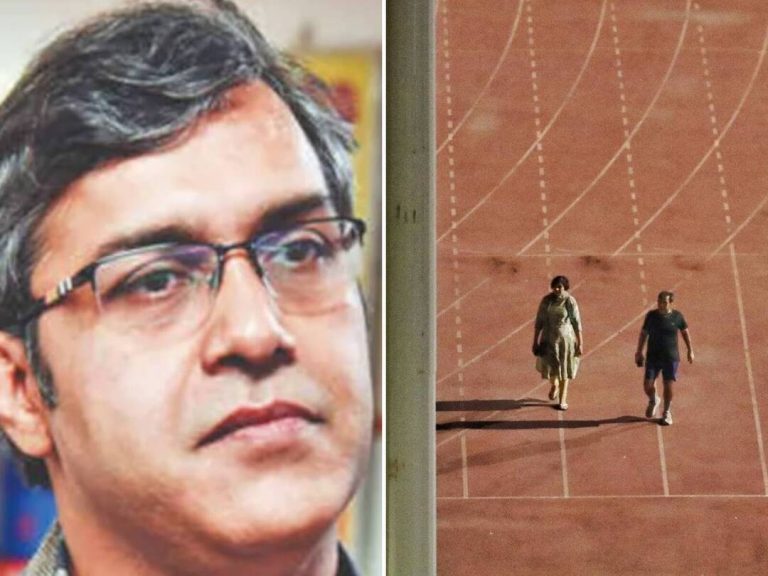
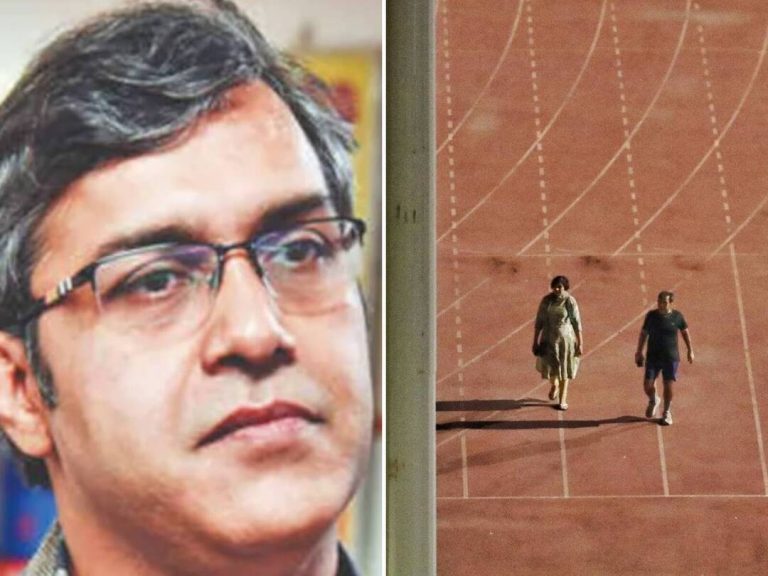
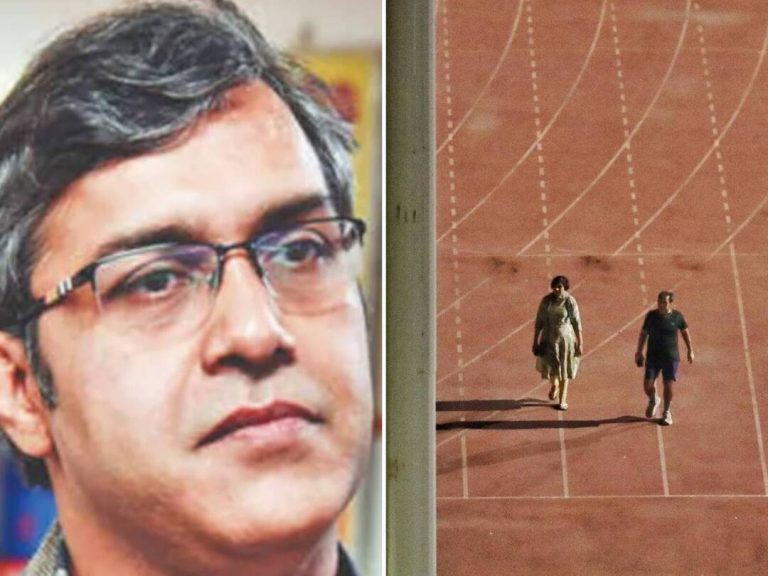
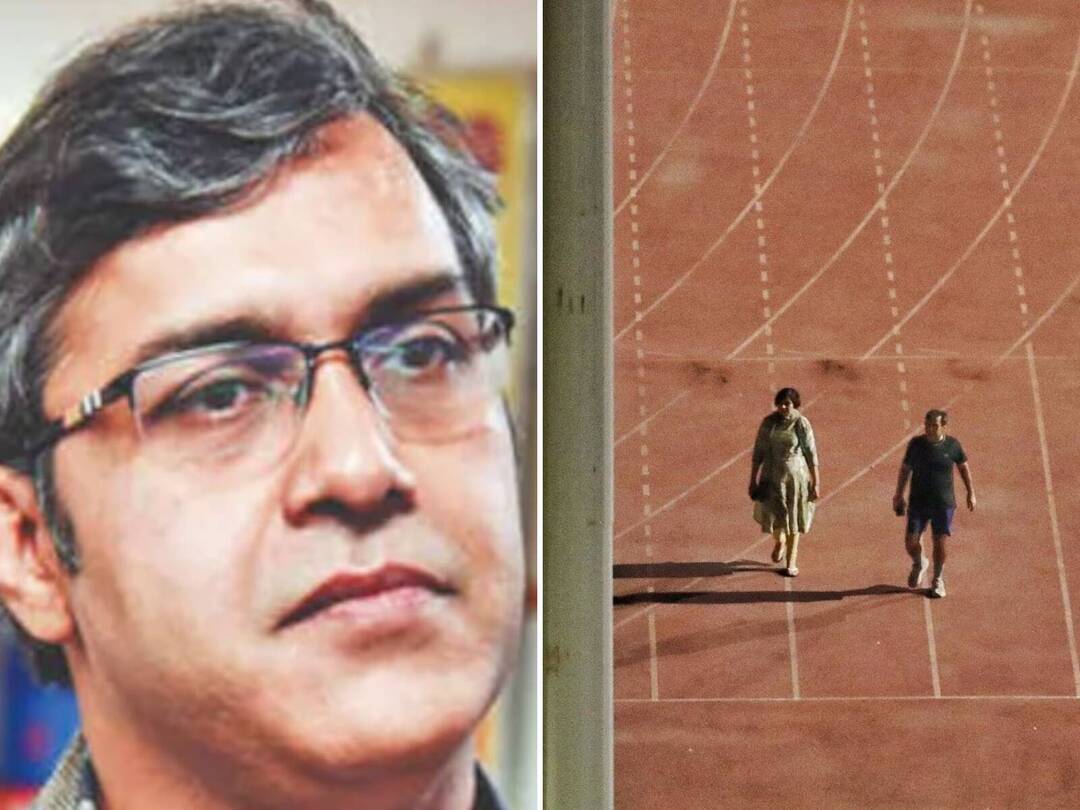
In a surprising turn of events, IAS officer Sanjeev Khirwar, who was transferred out of Delhi in 2022 after a controversy surrounding his decision to empty a government-run stadium to walk his dog, has returned to the national capital as the new Municipal Corporation of Delhi (MCD) Commissioner. This development has raised eyebrows among many, who are questioning the decision to appoint an officer with a chequered past to such a crucial position.
For those who may not be aware, Sanjeev Khirwar was serving as the Principal Secretary (Revenue) in the Delhi government when the incident took place. On a particular day in 2022, athletes training at the Thyagraj Stadium, which is run by the Delhi government, were allegedly asked to wrap up their training sessions earlier than usual. The reason behind this unusual request was that Khirwar wanted to walk his dog at the stadium, and he apparently did not want any distractions or obstacles in his way.
The news of the stadium being emptied for Khirwar’s canine companion sparked widespread outrage, with many athletes and sports enthusiasts taking to social media to express their disappointment and frustration. The incident was seen as a classic example of the abuse of power and the VIP culture that is often prevalent in India. The fact that a senior bureaucrat like Khirwar could get away with such a brazen display of entitlement and arrogance was deeply disturbing to many.
As a result of the controversy, Khirwar was shunted out of Delhi and transferred to a different posting. However, it seems that his exile was short-lived, as he has now been appointed as the MCD Commissioner. This decision has been confirmed by a notification issued by the Ministry of Home Affairs (MHA), which has left many people wondering about the criteria used to select candidates for such important positions.
The appointment of Sanjeev Khirwar as the MCD Commissioner has raised several questions about the functioning of the bureaucracy in India. How can an officer who has been involved in such a high-profile controversy be trusted with a position that requires integrity, accountability, and a sense of responsibility? What message does this send to the people of Delhi, who are already disillusioned with the state of governance in the city?
Moreover, the fact that Khirwar was able to return to Delhi as the MCD Commissioner despite his chequered past raises questions about the lack of accountability within the bureaucracy. It seems that even when officers are involved in controversies, they can simply be transferred to a different posting and then reinstated to a position of power without any consequences. This culture of impunity is deeply damaging to the fabric of our democracy and undermines the trust that people have in the government.
The Municipal Corporation of Delhi is a crucial institution that is responsible for providing essential services to the people of Delhi. The MCD Commissioner plays a vital role in overseeing the functioning of the corporation and ensuring that it delivers on its mandate. Given the importance of this position, it is surprising that someone like Sanjeev Khirwar, who has been involved in a controversy, has been appointed to the post.
In conclusion, the appointment of Sanjeev Khirwar as the MCD Commissioner is a disturbing development that raises questions about the functioning of the bureaucracy in India. It highlights the need for greater accountability and transparency in the selection process for senior bureaucratic positions. The people of Delhi deserve better, and it is hoped that the government will take steps to address the concerns that have been raised by this appointment.
About the Author