Pak agrees to join ‘Board of Peace’ after seeking $2.5-bn debt’s rollover for ailing economy
In a surprising turn of events, Pakistan has announced its decision to join the “Board of Peace”, a brainchild of former US President Donald Trump, aimed at promoting peace in the Gaza region. This move comes on the heels of Pakistan’s desperate attempts to secure financial assistance to bail out its ailing economy. The country’s Foreign Minister, Ishaq Dar, made the announcement, revealing that Pakistan will be joining the board in support of the Gaza Peace Plan.
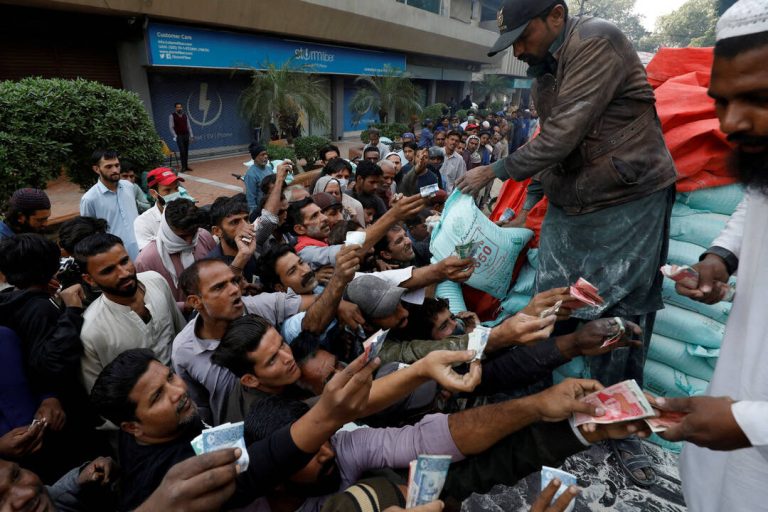
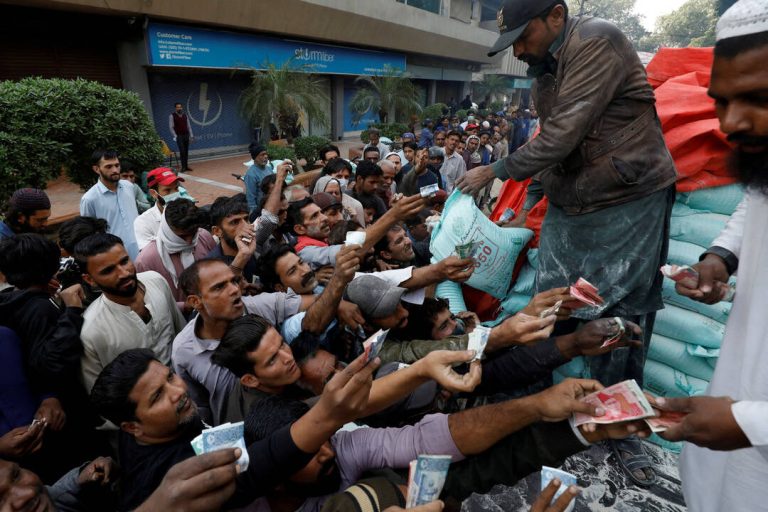
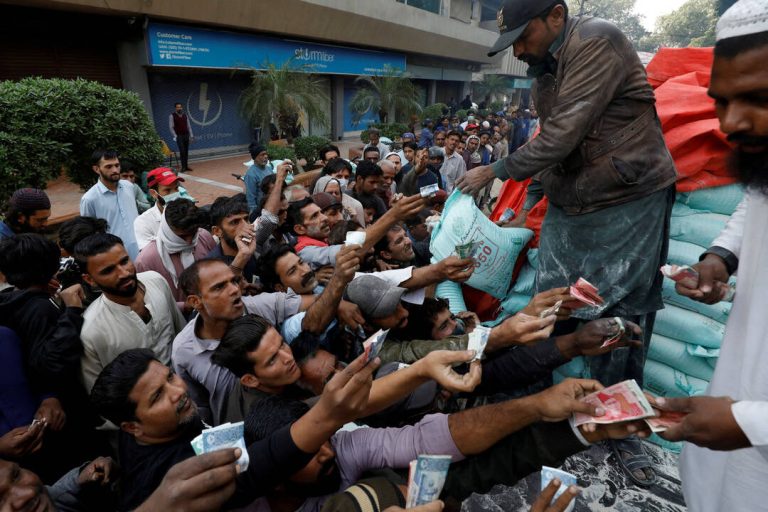
The decision to join the “Board of Peace” is seen as a strategic move by Pakistan to bolster its international relations and secure much-needed economic support. However, the timing of this announcement has raised eyebrows, given that Pakistan has been struggling to manage its debt obligations. Just days ago, the country approached the United Arab Emirates (UAE) with a request to rollover a $2.5-billion maturing debt and reduce the applicable interest rate. This move is a clear indication of the dire state of Pakistan’s economy, which has been grappling with a severe balance of payments crisis.
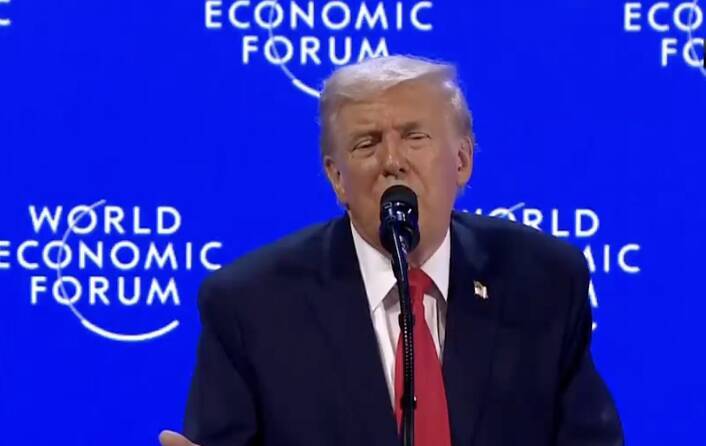
The “Board of Peace” is an initiative launched by Donald Trump, with the aim of promoting peace and stability in the Gaza region. The board is expected to bring together prominent nations and international organizations to work towards a comprehensive and lasting peace in the region. While the details of the board’s structure and functioning are still sketchy, it is reported that membership will come at a steep price. Pakistan will be required to pay a $1-billion fee to join as a permanent member, a significant outlay for a country struggling to stay afloat financially.
The decision to join the “Board of Peace” has been met with a mix of reactions in Pakistan. While some have hailed the move as a positive step towards promoting regional peace and stability, others have questioned the wisdom of committing to such a costly endeavor at a time when the country’s economy is in shambles. The opposition has been quick to criticize the government’s decision, arguing that the $1-billion membership fee could be better spent on addressing the country’s pressing economic and social challenges.
Despite the criticism, the Pakistani government remains committed to its decision to join the “Board of Peace”. According to Foreign Minister Ishaq Dar, the move is a strategic one, aimed at promoting Pakistan’s interests and securing its place on the international stage. Dar has argued that the benefits of membership, including increased international cooperation and investment, will far outweigh the costs. However, it remains to be seen whether Pakistan’s struggling economy will be able to absorb the financial burden of membership.
The UAE’s response to Pakistan’s request for debt rollover and interest rate reduction is still pending. If approved, the move could provide some much-needed relief to Pakistan’s economy, which has been struggling to service its external debt obligations. However, the country’s long-term economic prospects remain uncertain, and the decision to join the “Board of Peace” will only add to its financial burden.
In conclusion, Pakistan’s decision to join the “Board of Peace” is a complex and multifaceted one, driven by a mix of strategic, economic, and diplomatic considerations. While the move may have its benefits, it is clear that the country’s ailing economy will be stretched to the limit to accommodate the $1-billion membership fee. As Pakistan navigates the challenges of its economic crisis, it remains to be seen whether the decision to join the “Board of Peace” will prove to be a wise one.
Source: https://www.reuters.com/world/asia-pacific/pakistan-join-trumps-board-peace-gaza-2026-01-21/
About the Author