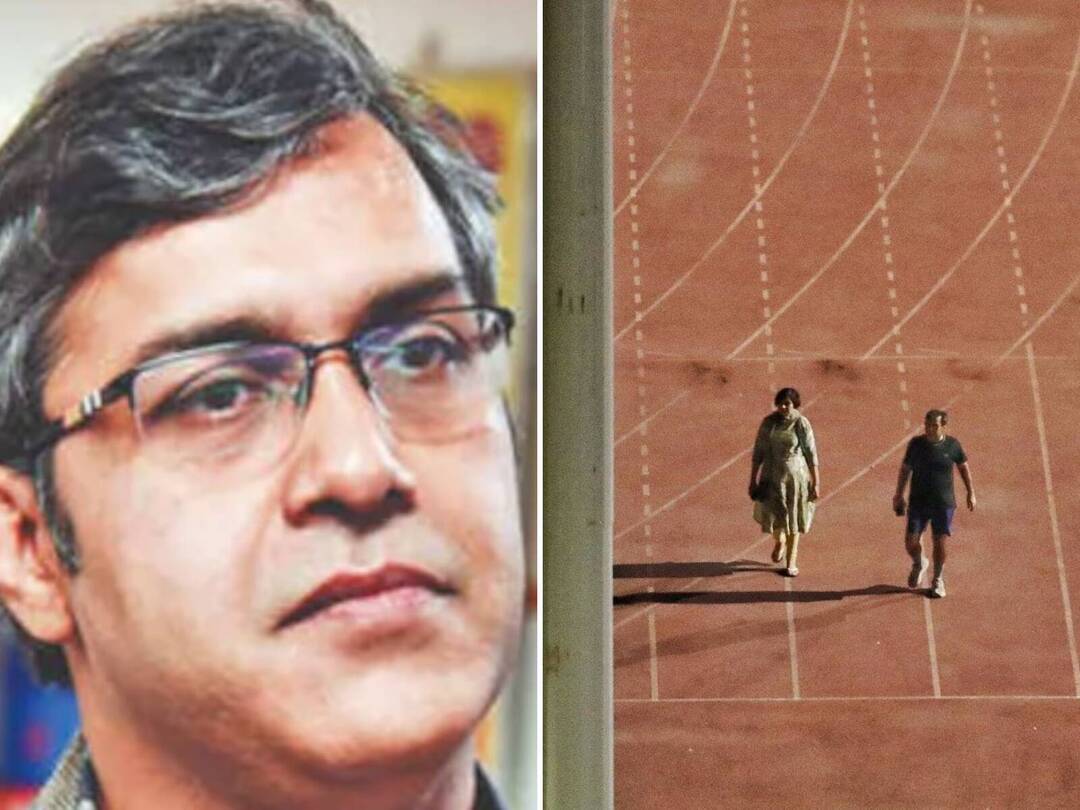
IAS officer shunted for emptying stadium to walk dog returns to Delhi as MCD commissioner
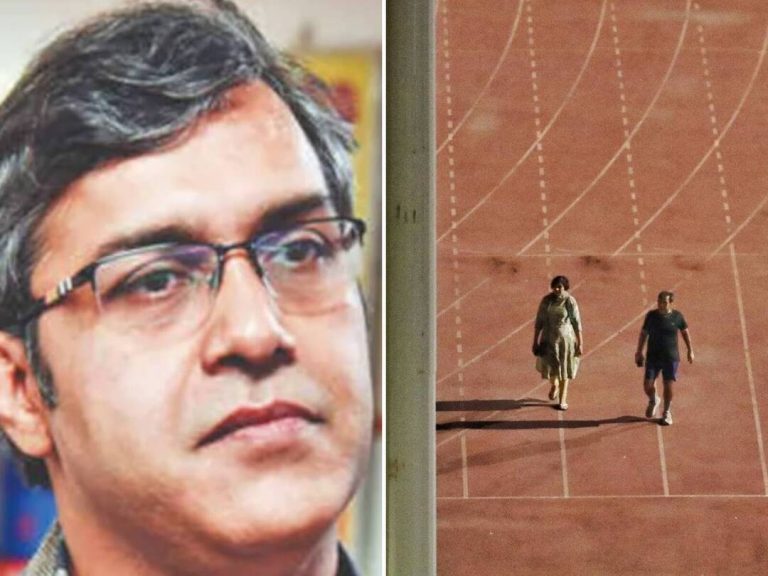
In a surprising turn of events, IAS officer Sanjeev Khirwar, who was moved out of Delhi in 2022 after a controversy surrounding the emptying of a government-run stadium to walk his dog, has returned to the national capital as the new Municipal Corporation of Delhi (MCD) Commissioner. This development has raised eyebrows, with many questioning the decision to appoint an officer with a chequered past to a key administrative position.
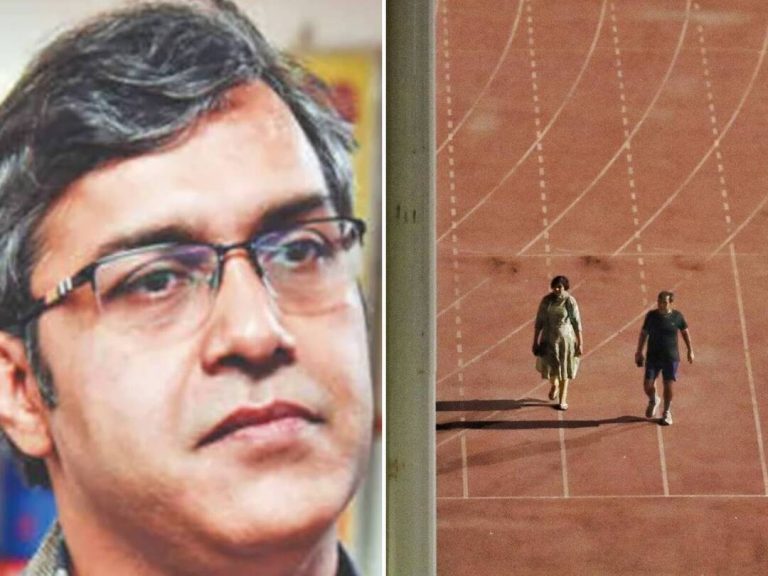
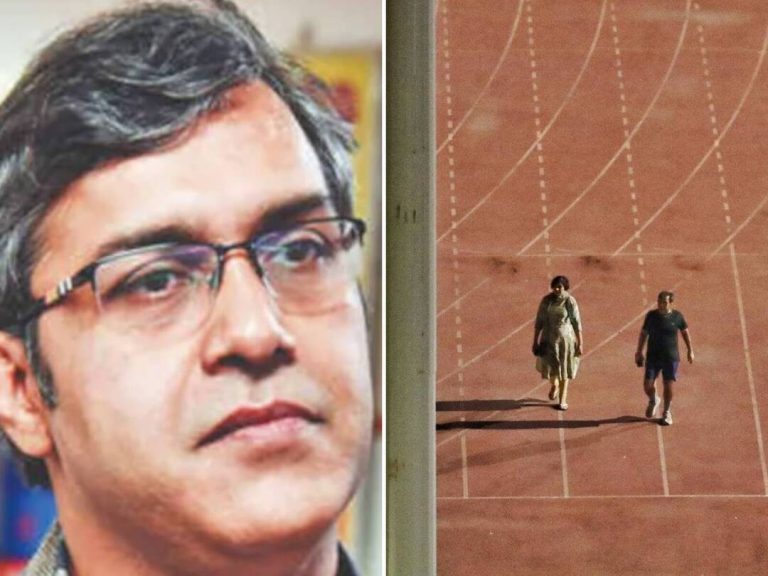
The controversy in question dates back to 2022, when Khirwar, who was then serving as the Principal Secretary (Revenue) of the Delhi government, was accused of emptying the Thyagraj Stadium, a government-run facility, to walk his dog. Athletes who were training at the stadium alleged that they were asked to wrap up their sessions earlier than usual to accommodate Khirwar’s canine companion. The incident sparked outrage, with many criticizing the officer’s alleged misuse of power and disregard for the needs of athletes who rely on the stadium for their training.
As a result of the controversy, Khirwar was shunted out of Delhi and transferred to a different posting. However, it appears that the officer has now been given a second chance, with the Ministry of Home Affairs (MHA) issuing a notification confirming his appointment as the new MCD Commissioner. This development has left many wondering whether the government has forgotten the controversy surrounding Khirwar’s past actions or if it has simply chosen to overlook them.
The appointment of Khirwar as MCD Commissioner has significant implications for the administration of the national capital. As the head of the municipal corporation, Khirwar will be responsible for overseeing a wide range of civic services, including sanitation, transportation, and public health. Given his past record, it is unclear whether he possesses the necessary leadership skills and integrity to effectively manage these critical functions.
Moreover, the appointment of Khirwar has also raised concerns about the message it sends to the public. By promoting an officer who was accused of misusing his power, the government may be perceived as being tone-deaf to the concerns of citizens and athletes who were affected by his actions. This could undermine trust in the government and its ability to hold its officers accountable for their actions.
It is also worth noting that the Thyagraj Stadium incident was not an isolated event. There have been other instances where government officials have been accused of misusing their power and prioritizing their personal interests over the needs of the public. The appointment of Khirwar as MCD Commissioner may be seen as a symptom of a broader problem, where officers are not held accountable for their actions and are instead rewarded with prestigious postings.
In conclusion, the appointment of Sanjeev Khirwar as MCD Commissioner has raised more questions than answers. While it is unclear what prompted the government to appoint an officer with a controversial past to this key position, it is clear that the decision has significant implications for the administration of the national capital. As the city grapples with a wide range of challenges, from sanitation and transportation to public health and education, it remains to be seen whether Khirwar will be able to put the needs of the public ahead of his own personal interests.
The controversy surrounding Khirwar’s appointment is a reminder that the government must be transparent and accountable in its decision-making processes. The public has a right to know why an officer with a chequered past was chosen for this critical position and what steps the government will take to ensure that he is held accountable for his actions.
As the city looks to the future, it is essential that the government prioritizes the needs of its citizens and ensures that its officers are held to the highest standards of integrity and accountability. The appointment of Sanjeev Khirwar as MCD Commissioner may be a step in the wrong direction, but it is not too late for the government to course-correct and prioritize the needs of the public.
About the Author