Pak agrees to join ‘Board of Peace’ after seeking $2.5-bn debt’s rollover for ailing economy
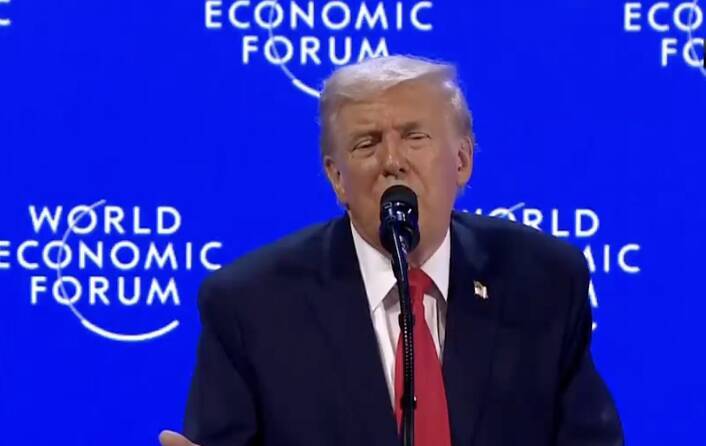
In a surprise move, Pakistan has announced its decision to join the ‘Board of Peace’, a brainchild of former US President Donald Trump, aimed at promoting peace in the Middle East, particularly in Gaza. This development comes on the heels of Pakistan’s desperate attempt to salvage its ailing economy by seeking a rollover of its $2.5-billion maturing debt from the United Arab Emirates (UAE). The country has also requested a reduction in the applicable interest rate, a clear indication of the dire straits its economy is in.
The decision to join the ‘Board of Peace’ was announced by Pakistan’s Foreign Minister, Ishaq Dar, who expressed the country’s commitment to supporting the Gaza Peace Plan. This move is seen as a significant development, given Pakistan’s historical stance on the Israeli-Palestinian conflict. However, what is even more intriguing is the timing of this announcement, coming as it does, just days after Pakistan’s plea to the UAE for debt relief.
Pakistan’s economy has been facing significant challenges, with a looming debt crisis and dwindling foreign exchange reserves. The country has been struggling to meet its debt obligations, and the maturing $2.5-billion debt to the UAE has been a major source of concern. By seeking a rollover of this debt, Pakistan is hoping to buy some much-needed time to get its economy back on track. The request to halve the applicable interest rate is also a clear indication of the country’s desperate attempt to reduce its debt burden.
The decision to join the ‘Board of Peace’ is likely to be seen as a strategic move by Pakistan to gain favor with the UAE and other potential donors. By supporting the Gaza Peace Plan, Pakistan is signaling its commitment to regional peace and stability, which could potentially lead to increased economic support from its allies. However, the fact that the ‘Board of Peace’ requires a $1-billion fee to join as a permanent member raises questions about the true motives behind Pakistan’s decision.
Is Pakistan’s decision to join the ‘Board of Peace’ a genuine attempt to promote regional peace, or is it a calculated move to secure economic benefits? The answer to this question is not clear, but what is certain is that Pakistan’s economy is in dire need of support. The country’s foreign exchange reserves are dwindling, and its debt burden is becoming increasingly unsustainable.
The UAE’s response to Pakistan’s request for debt relief will be crucial in determining the country’s economic future. If the UAE agrees to rollover the debt and reduce the interest rate, it will provide Pakistan with some much-needed breathing space. However, if the UAE refuses, Pakistan will be forced to look elsewhere for support, which could lead to even more difficult economic decisions.
The ‘Board of Peace’ is a relatively new initiative, and its effectiveness in promoting regional peace is yet to be seen. However, what is clear is that Pakistan’s decision to join the board is a significant development, with potential implications for the country’s economy and regional politics. As the situation unfolds, it will be important to watch how Pakistan’s decision to join the ‘Board of Peace’ affects its relationships with other countries in the region, particularly the UAE.
In conclusion, Pakistan’s decision to join the ‘Board of Peace’ is a complex development, driven by a combination of economic and strategic factors. While the country’s commitment to supporting the Gaza Peace Plan is welcome, the timing of the announcement raises questions about the true motives behind the decision. As Pakistan navigates its economic challenges, it will be important to monitor how its decision to join the ‘Board of Peace’ affects its relationships with other countries in the region.
Source: https://www.reuters.com/world/asia-pacific/pakistan-join-trumps-board-peace-gaza-2026-01-21/
About the Author