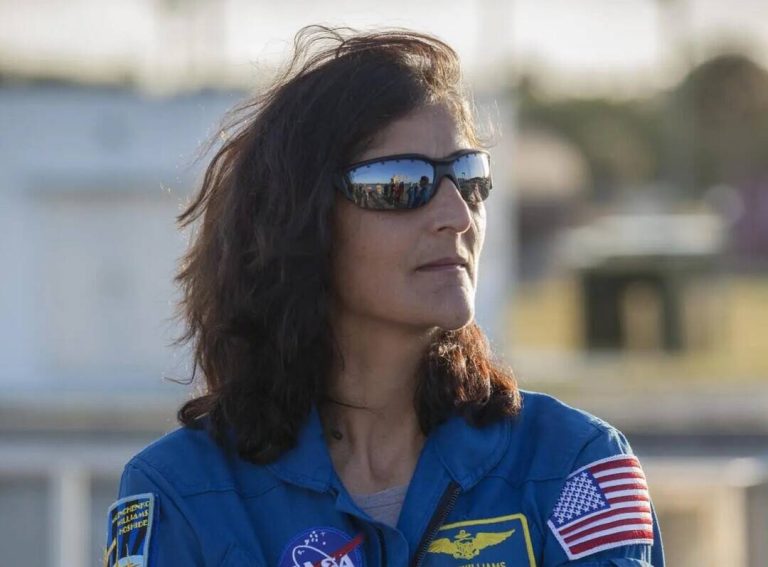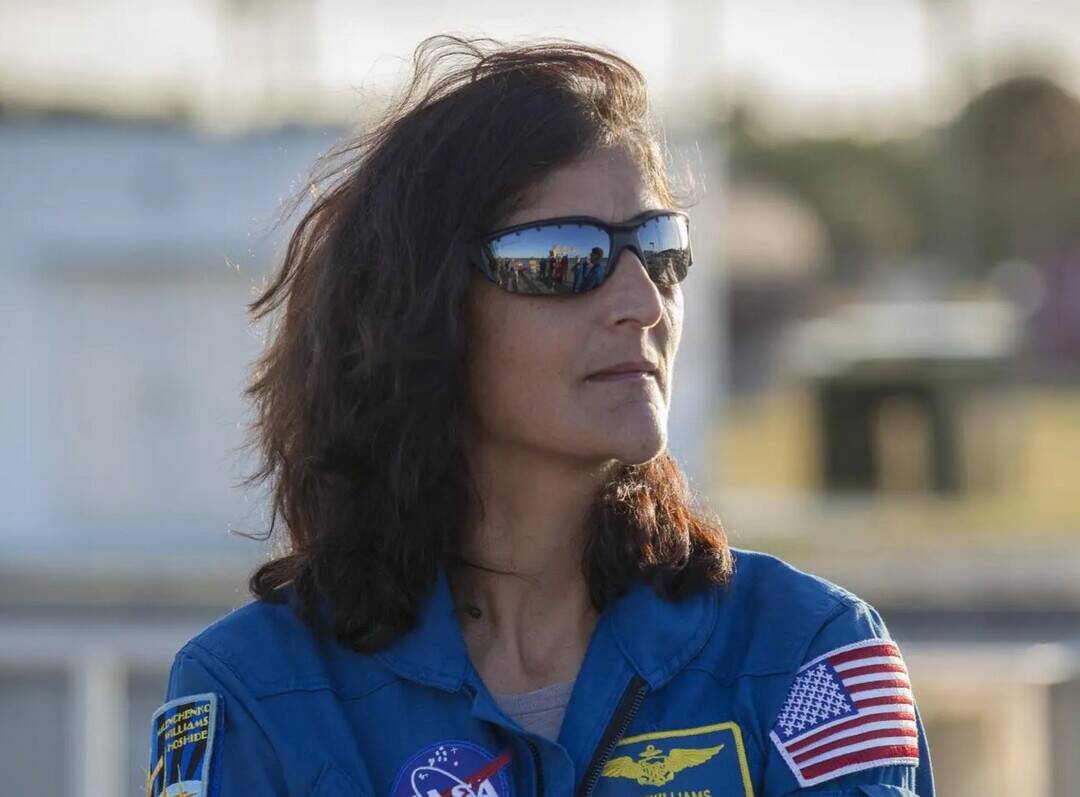
Astronaut Sunita Williams, who was stuck in space for 9 months, retires
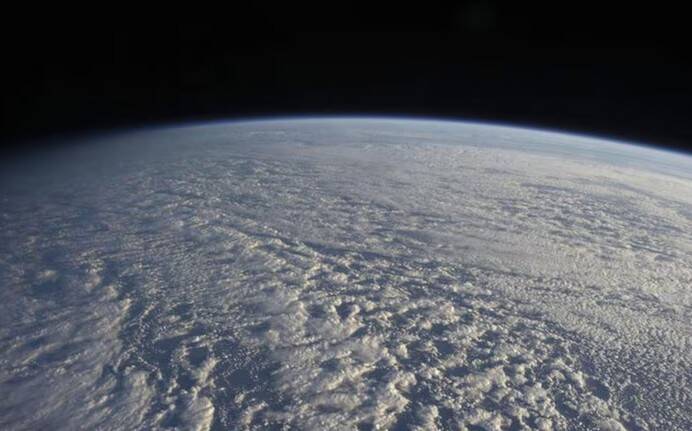
NASA astronaut Sunita Williams has announced her retirement from the agency, effective December 27, 2025, after an impressive 27 years of service. Williams’ illustrious career has been marked by numerous milestones, including three missions aboard the International Space Station and a staggering 608 days spent in space. Her most recent mission, however, was one for the books, as she and fellow astronaut Butch Wilmore were stuck in space for nine long months in 2024-2025.
The ordeal began when the Boeing Starliner spacecraft, which was supposed to carry Williams and Wilmore back to Earth, suffered propulsion issues. The spacecraft, which was designed to ferry astronauts to and from the International Space Station, experienced a malfunction that prevented it from executing a successful re-entry into Earth’s atmosphere. As a result, Williams and Wilmore were forced to extend their stay in space, waiting for a rescue mission to arrive.
The nine-month period was undoubtedly a challenging time for Williams and Wilmore. Living in space for an extended period can take a toll on the human body, with effects ranging from muscle atrophy to vision impairment. Moreover, the psychological strain of being stuck in space, away from family and friends, can be overwhelming. Despite these challenges, Williams and Wilmore demonstrated remarkable resilience and adaptability, continuing to conduct scientific experiments and maintain the International Space Station during their prolonged stay.
Williams’ retirement marks the end of an era for NASA, as she has been an integral part of the agency’s spaceflight program for nearly three decades. Born on September 19, 1965, in Euclid, Ohio, Williams grew up with a passion for mathematics and science. She graduated from the United States Naval Academy in 1987 and went on to serve as a naval aviator before being selected as a NASA astronaut in 1998.
Throughout her career, Williams has been part of several notable missions. Her first mission to the International Space Station was in 2006, where she spent 195 days aboard the orbiting laboratory. She returned to the station in 2012, spending 127 days in space. Her most recent mission, which began in 2024, was supposed to be a routine six-month stint, but it ultimately turned into a nine-month ordeal due to the Boeing Starliner malfunction.
Williams’ achievements extend beyond her time in space. She has been a vocal advocate for STEM education and has inspired countless young people, particularly girls and women, to pursue careers in science, technology, engineering, and mathematics. Her dedication to promoting diversity and inclusion in the space industry has earned her numerous awards and accolades.
As Williams hangs up her spacesuit, she leaves behind a legacy that will continue to inspire future generations of astronauts and scientists. Her remarkable career, marked by courage, perseverance, and a passion for exploration, serves as a testament to the power of human ingenuity and determination.
In a statement, NASA praised Williams’ contributions to the agency, saying, “Sunita Williams has been an exemplary astronaut and a dedicated public servant. Her commitment to the NASA mission and her passion for space exploration have inspired countless people around the world. We are grateful for her service and wish her all the best in her future endeavors.”
As the space community bids farewell to this exceptional astronaut, we are reminded of the incredible sacrifices and challenges that come with exploring the vast expanse of space. Williams’ story, however, is also a testament to the rewards of pursuing a career in space exploration, where the boundaries of human knowledge and achievement are constantly being pushed.
In conclusion, Sunita Williams’ retirement marks the end of an extraordinary chapter in the history of space exploration. As we look to the future, we are reminded of the importance of continued investment in space research and the need for talented and dedicated individuals like Williams to push the boundaries of human knowledge. As we bid farewell to this remarkable astronaut, we are grateful for her service and inspired by her legacy.
About the Author