CMs meeting CMs in Switzerland to sign deals, criminal waste of money: Rajiv Shukla
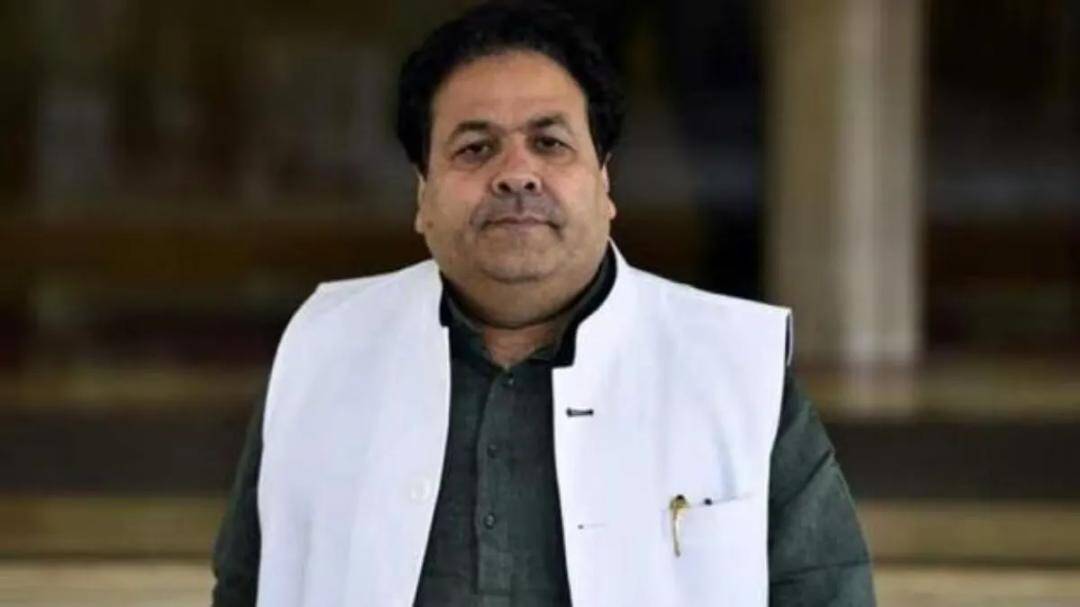
The World Economic Forum (WEF) is currently underway in Davos, Switzerland, and it has brought together some of the most influential leaders from around the world. The event, which is often described as a platform for global leaders to discuss and shape the future of the world, has been a subject of criticism in recent years. One of the latest criticisms comes from Rajya Sabha MP Rajeev Shukla, who has lashed out at the participation of Indian Chief Ministers in the event.
According to Shukla, the presence of Indian Chief Ministers at the WEF in Davos is a “criminal waste of money”. He questioned the logic behind state governments signing agreements with Indian companies in Switzerland, when they could have easily done so in India. “It’s strange…Indians are going to Davos to meet Indians. State governments are signing agreements with Indian companies in Switzerland which they could’ve done in India,” he said.
Shukla’s criticism is not without merit. The WEF is an expensive event, and the cost of participation is borne by the taxpayers. The Indian government has been facing criticism for its lavish spending on foreign trips, and the WEF is no exception. The event is known for its high-end venues, luxurious accommodations, and expensive networking opportunities. It is estimated that the cost of attending the WEF can range from $50,000 to $100,000 per person, depending on the level of participation.
Shukla’s comment that “CMs are meeting CMs in Davos” highlights the absurdity of the situation. It is indeed strange that Indian Chief Ministers are traveling all the way to Switzerland to meet with other Indian leaders, when they could have easily done so in India. This not only wastes taxpayer money but also undermines the purpose of the WEF, which is to facilitate global cooperation and dialogue.
The WEF is often touted as a platform for global leaders to discuss pressing issues such as climate change, economic inequality, and technological disruption. However, the event has also been criticized for being a talking shop, where leaders make grand speeches but fail to take concrete actions. The participation of Indian Chief Ministers in the WEF raises questions about the effectiveness of their presence at the event.
Moreover, the WEF has been criticized for being a platform for corporate interests, where CEOs and business leaders get to rub shoulders with global leaders and influence policy decisions. The event has been accused of promoting neoliberalism and perpetuating economic inequality. In this context, the participation of Indian Chief Ministers in the WEF raises concerns about the potential for corporate influence on policy decisions.
Shukla’s criticism of the WEF is not an isolated incident. There have been several criticisms of the event in recent years, with many questioning its relevance and effectiveness. The event has been accused of being a publicity stunt, where leaders get to make grand speeches and pose for photo opportunities, but fail to take concrete actions.
In conclusion, Rajiv Shukla’s criticism of the participation of Indian Chief Ministers in the WEF is a timely reminder of the need for accountability and transparency in government spending. The WEF is an expensive event, and the cost of participation should be justified by tangible outcomes. The fact that Indian Chief Ministers are meeting with other Indian leaders in Switzerland to sign agreements with Indian companies raises questions about the effectiveness of their presence at the event.
As the world grapples with pressing issues such as climate change, economic inequality, and technological disruption, it is essential to ensure that global events like the WEF are effective in promoting cooperation and dialogue. The participation of Indian Chief Ministers in the WEF should be subject to scrutiny, and the government should be held accountable for the cost of participation.
The WEF is an opportunity for global leaders to come together and shape the future of the world. However, it is essential to ensure that the event is not used as a platform for corporate interests or a publicity stunt. The participation of Indian Chief Ministers in the WEF should be guided by a clear set of objectives, and the outcomes should be measured and evaluated.
Ultimately, the criticism of the WEF by Rajiv Shukla is a reminder of the need for accountability and transparency in government spending. The Indian government should ensure that the participation of Chief Ministers in the WEF is justified by tangible outcomes and that the cost of participation is borne by those who benefit from it, rather than the taxpayers.
News Source: https://x.com/ShuklaRajiv/status/2013664724563726652
About the Author