Judge who ordered FIR on ASP Anuj Chaudhary in Sambhal violence case transferred
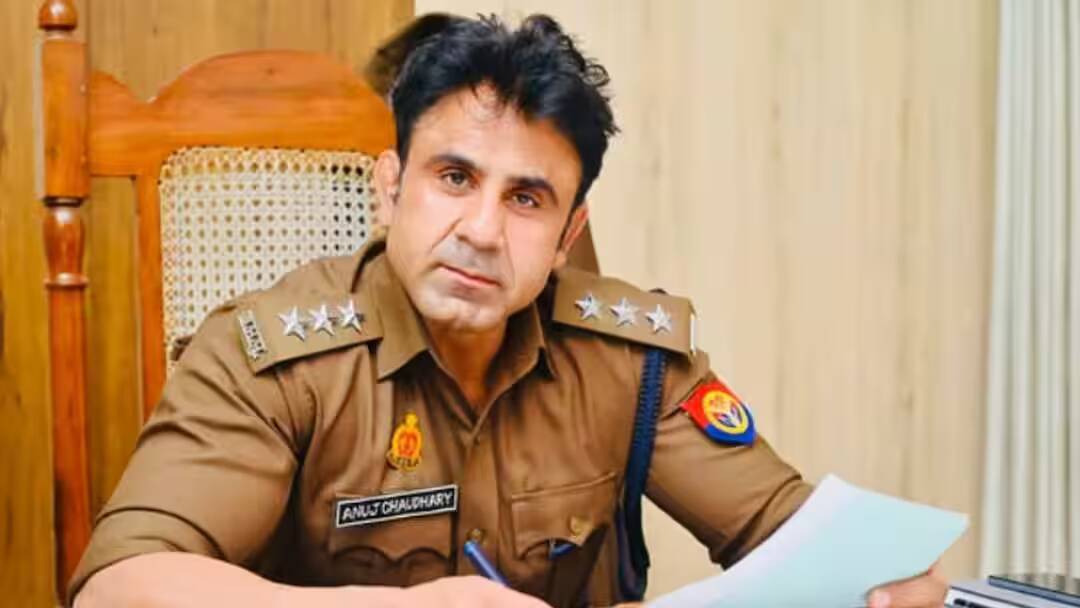
In a significant development, Sambhal Chief Judicial Magistrate Vibhanshu Sudheer, who had ordered the registration of an FIR against ASP Anuj Chaudhary, inspector Anuj Tomar, and 20 unidentified police officials for shooting at a youth during the 2024 Sambhal violence, has been transferred. As per the latest updates, Sudheer has been appointed as the Civil Judge, Senior Division, Sultanpur, effective immediately.
The transfer of Vibhanshu Sudheer has raised eyebrows, particularly given the sensitive nature of the case and the fact that the order to register an FIR against the police officials was seen as a significant step towards ensuring accountability and justice for the victims of the Sambhal violence. The incident had sparked widespread outrage and condemnation, with many demanding action against the police officials responsible for the excesses.
The Sambhal violence had occurred in 2024, resulting in significant damage to property and loss of life. The incident had been widely condemned, and the registration of an FIR against the police officials was seen as a crucial step towards ensuring that those responsible for the excesses were held accountable.
Vibhanshu Sudheer’s order to register an FIR against the police officials had been hailed as a bold move, given the sensitive nature of the case and the fact that the police officials involved were from the higher echelons of the department. The move had been seen as a significant step towards ensuring that the rule of law was upheld and that those responsible for the violence were brought to book.
With Sudheer’s transfer, Aditya Singh, who had ordered the survey of Shahi Jama Masjid, will take over as the new Chief Judicial Magistrate of Sambhal. The development has raised questions about the timing and motivations behind Sudheer’s transfer, with many speculating that the move may be linked to the sensitive nature of the case and the fact that Sudheer had taken a strong stance against the police officials involved.
The transfer of judges is not uncommon in the Indian judiciary, and it is often done to ensure that judges are not influenced by local factors and can dispense justice impartially. However, in this case, the timing of the transfer has raised eyebrows, particularly given the sensitive nature of the case and the fact that Sudheer had taken a strong stance against the police officials involved.
The Sambhal violence case is a complex and sensitive one, and the registration of an FIR against the police officials is just the first step towards ensuring justice for the victims. The case will now be handled by Aditya Singh, who will have to navigate the complex web of evidence and witness statements to ensure that justice is served.
The transfer of Vibhanshu Sudheer has also raised questions about the independence of the judiciary and the ability of judges to take decisions without fear or favor. The Indian judiciary has long been seen as a beacon of hope for the common man, and the transfer of judges in sensitive cases can undermine this perception.
In conclusion, the transfer of Vibhanshu Sudheer, the Chief Judicial Magistrate of Sambhal, who had ordered the registration of an FIR against ASP Anuj Chaudhary and other police officials for their role in the Sambhal violence, has raised eyebrows and sparked controversy. The development has raised questions about the timing and motivations behind the transfer, and the impact it may have on the case and the perception of the judiciary.
As the case progresses, it will be important to ensure that justice is served and that those responsible for the violence are held accountable. The transfer of Sudheer may be seen as a setback, but it is also an opportunity for the new Chief Judicial Magistrate, Aditya Singh, to take the case forward and ensure that justice is served.
The Indian judiciary has a long and proud tradition of upholding the rule of law and ensuring that justice is served. The Sambhal violence case is a complex and sensitive one, and it will be important to ensure that the judiciary is able to handle it in a fair and impartial manner.
About the Author