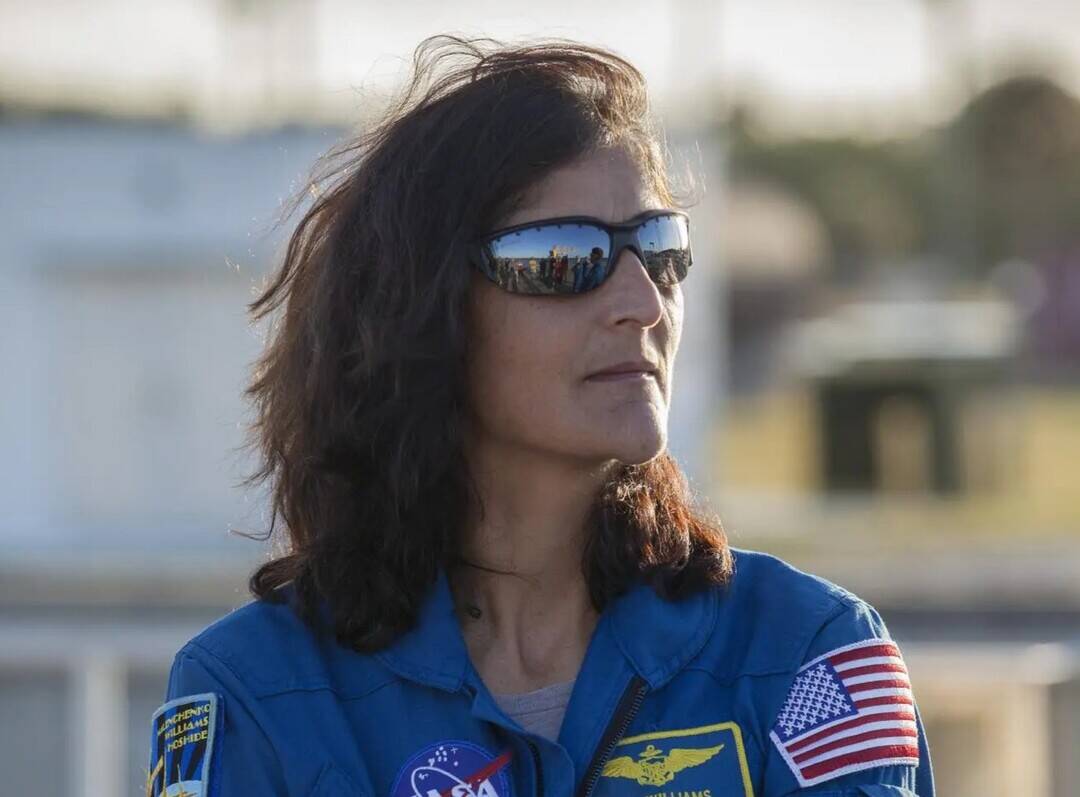
Astronaut Sunita Williams, who was stuck in space for 9 months, retires
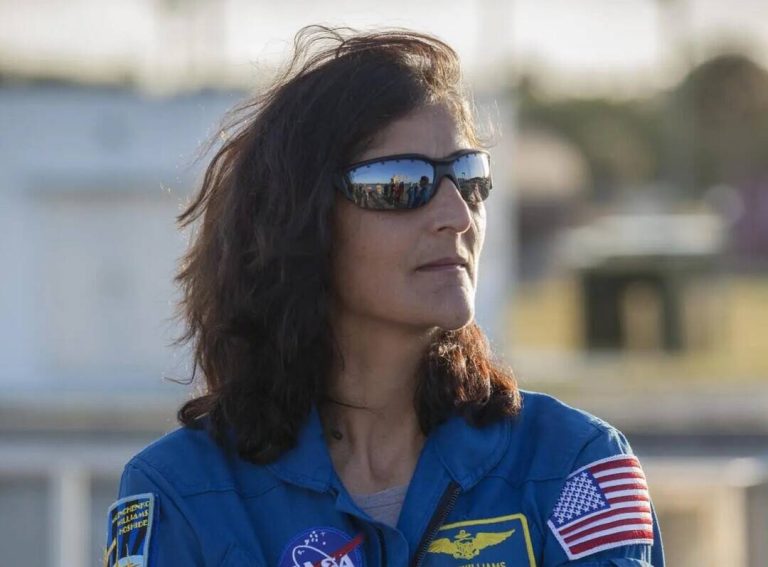
NASA astronaut Sunita Williams has retired from the agency, effective December 27, 2025, after 27 years of service. Williams completed three missions aboard the International Space Station and logged 608 days in space. Her impressive career with NASA has been marked by numerous achievements, including holding the record for the most spacewalks by a female astronaut. However, one of the most notable experiences of her career was being stuck in space for nine months in 2024-2025.
Williams, along with astronaut Butch Wilmore, was on a mission aboard the Boeing Starliner spacecraft when it suffered propulsion issues. The malfunction left them stranded in space, unable to return to Earth as planned. The incident was a significant challenge for the astronauts, as well as for the NASA team working to resolve the issue. Despite the difficulties, Williams and Wilmore demonstrated remarkable resilience and adaptability, continuing to conduct scientific experiments and maintain the spacecraft during their extended stay in space.
The Boeing Starliner spacecraft was designed to carry astronauts to and from the International Space Station, but the propulsion issues that occurred during Williams’ and Wilmore’s mission raised concerns about the safety and reliability of the vehicle. An investigation into the incident was conducted, and modifications were made to the spacecraft to prevent similar malfunctions in the future.
Williams’ experience being stuck in space for nine months was unprecedented, but it also provided a unique opportunity for scientific research. The extended duration of the mission allowed for more extensive data collection and experimentation, which contributed significantly to our understanding of the effects of long-term spaceflight on the human body. The findings from this mission will be invaluable in planning future deep space missions, such as those to Mars and beyond.
Throughout her career, Williams has been an inspiration to many, particularly women and girls interested in pursuing careers in science, technology, engineering, and mathematics (STEM). Her achievements have shown that with dedication and hard work, anyone can overcome obstacles and achieve their goals, even in the most challenging fields. Williams’ legacy will continue to inspire future generations of astronauts, engineers, and scientists, and her contributions to the field of space exploration will not be forgotten.
Williams’ retirement marks the end of an era in NASA’s history, but it also represents a new beginning. As the agency looks to the future, it will be important to build on the foundations laid by pioneers like Williams, who have pushed the boundaries of human knowledge and exploration. The next generation of astronauts, engineers, and scientists will be tasked with taking on new challenges and pursuing new frontiers, and they will be inspired by the examples set by Williams and her colleagues.
In conclusion, Sunita Williams’ retirement is a significant event in the history of space exploration. Her achievements, including her record-breaking spacewalks and her extended stay in space, have made her a legend in the field. Her experience being stuck in space for nine months was a testament to her strength and resilience, and it has provided valuable insights into the effects of long-term spaceflight on the human body. As we look to the future, we can draw inspiration from Williams’ example, and we can strive to continue pushing the boundaries of what is possible.
About the Author