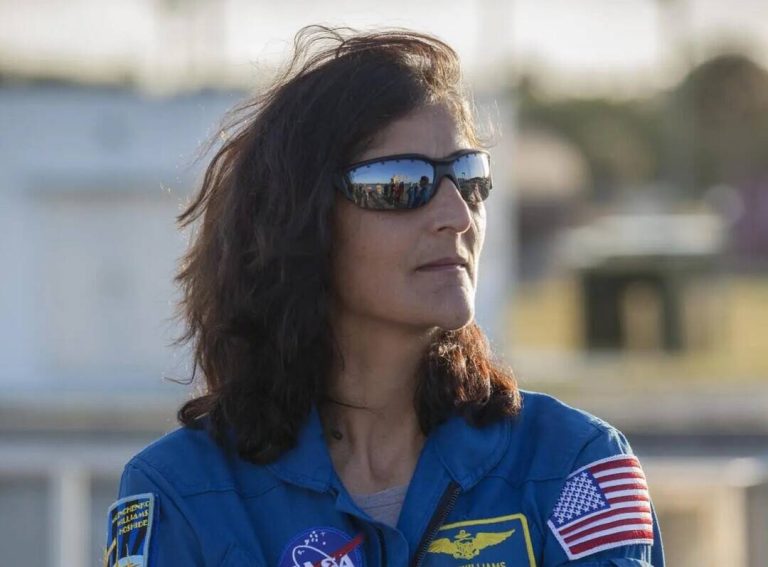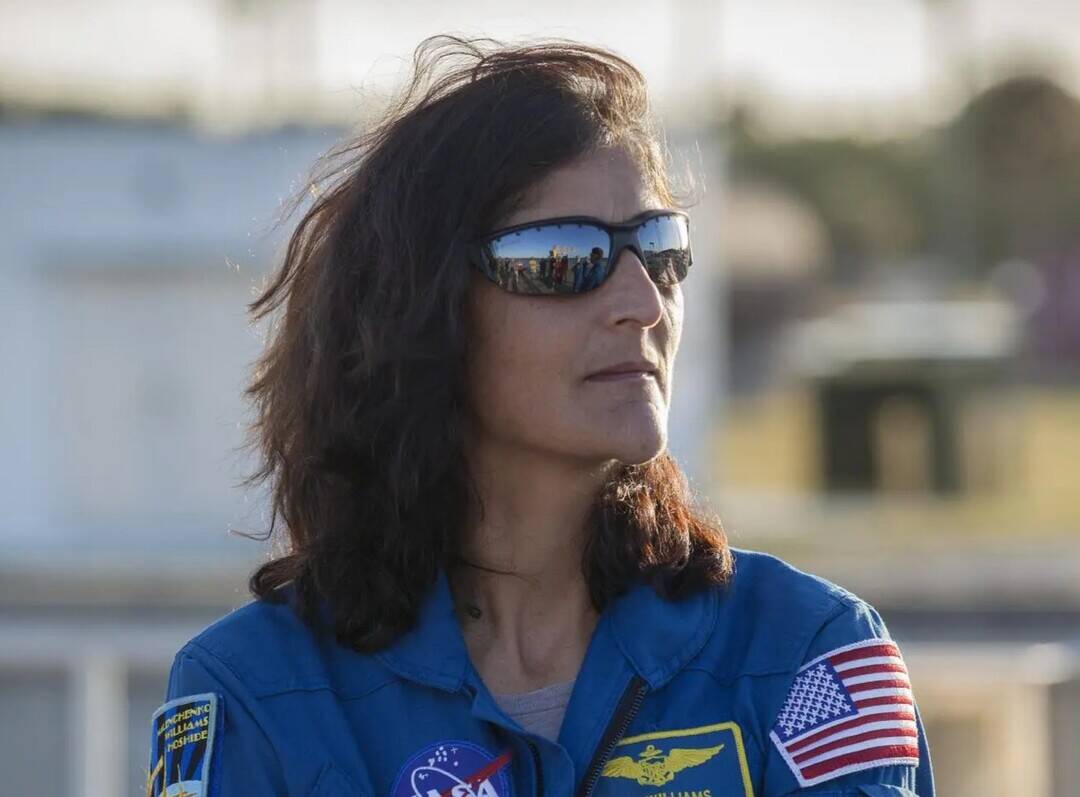
Astronaut Sunita Williams, who was stuck in space for 9 months, retires
NASA astronaut Sunita Williams has retired from the agency, effective December 27, 2025, after 27 years of service. Williams completed three missions aboard the International Space Station and logged 608 days in space. Her remarkable career has been marked by numerous achievements, including being part of the iconic ISS missions and enduring an unprecedented nine-month stay in space due to unforeseen circumstances.
Born on September 19, 1965, in Euclid, Ohio, Sunita Williams grew up with a passion for adventure and a dream to explore the cosmos. She graduated from the United States Naval Academy in 1987 and went on to become a naval aviator, flying helicopters and serving in various roles within the Navy. Her impressive background and skillset eventually led her to be selected by NASA as an astronaut candidate in 1998.
Williams’ first mission to space was aboard the Space Shuttle Discovery in 2006, where she spent six months on the International Space Station as a part of Expedition 14. During her time on the ISS, she performed four spacewalks, totaling 29 hours and 17 minutes outside the station. Her subsequent missions included Expedition 32/33 in 2012 and Expedition 58/59 in 2018-2019. These missions not only showcased her exceptional skills as an astronaut but also highlighted her dedication to advancing scientific knowledge and pushing the boundaries of human spaceflight.
One of the most remarkable aspects of Williams’ career is her unexpected nine-month stay in space, which began in 2024. Alongside astronaut Butch Wilmore, Williams was part of a mission aboard the Boeing Starliner spacecraft, which was intended to be a routine trip to the ISS. However, due to unforeseen propulsion issues, the spacecraft suffered a malfunction, leaving the astronauts stranded in space for an extended period.
The incident marked a significant challenge for NASA and the astronauts involved. The agency worked tirelessly to resolve the issue, and Williams, along with Wilmore, demonstrated extraordinary resilience and adaptability in the face of adversity. Despite the difficulties, the astronauts continued to perform scientific experiments and maintenance tasks on the ISS, ensuring the continuity of vital research and operations.
Williams’ experience during this prolonged stay in space offers valuable insights into the psychological and physical effects of long-duration spaceflight on the human body. Her ability to cope with the stress and isolation of being stuck in space for an extended period is a testament to her exceptional training, mental toughness, and dedication to her work.
Throughout her career, Williams has been an inspiration to countless individuals around the world, particularly women and girls, who aspire to pursue careers in science, technology, engineering, and mathematics (STEM). Her achievements have been recognized with numerous awards and honors, including the NASA Distinguished Service Medal, the Navy Commendation Medal, and the Humanitarian Service Medal.
As Williams retires from NASA, she leaves behind a legacy of outstanding service, remarkable achievements, and a commitment to advancing our understanding of space and the universe. Her contributions to the field of space exploration will continue to inspire future generations of astronauts, scientists, and engineers.
In a statement, NASA expressed its gratitude to Williams for her dedication and service, highlighting her remarkable career and the impact she has had on the agency and the world. As the space community bids farewell to this extraordinary astronaut, we honor her achievements and celebrate the incredible journey she has been on.
Williams’ retirement marks the end of an era, but it also symbolizes the beginning of a new chapter in her life. As she embarks on this new journey, we wish her all the best and thank her for her tireless efforts to advance our understanding of the cosmos.
About the Author