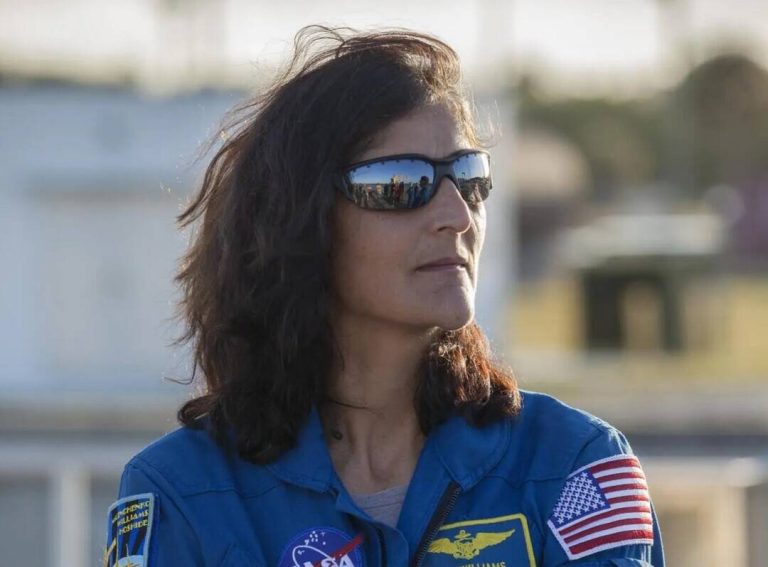
Astronaut Sunita Williams, who was stuck in space for 9 months, retires
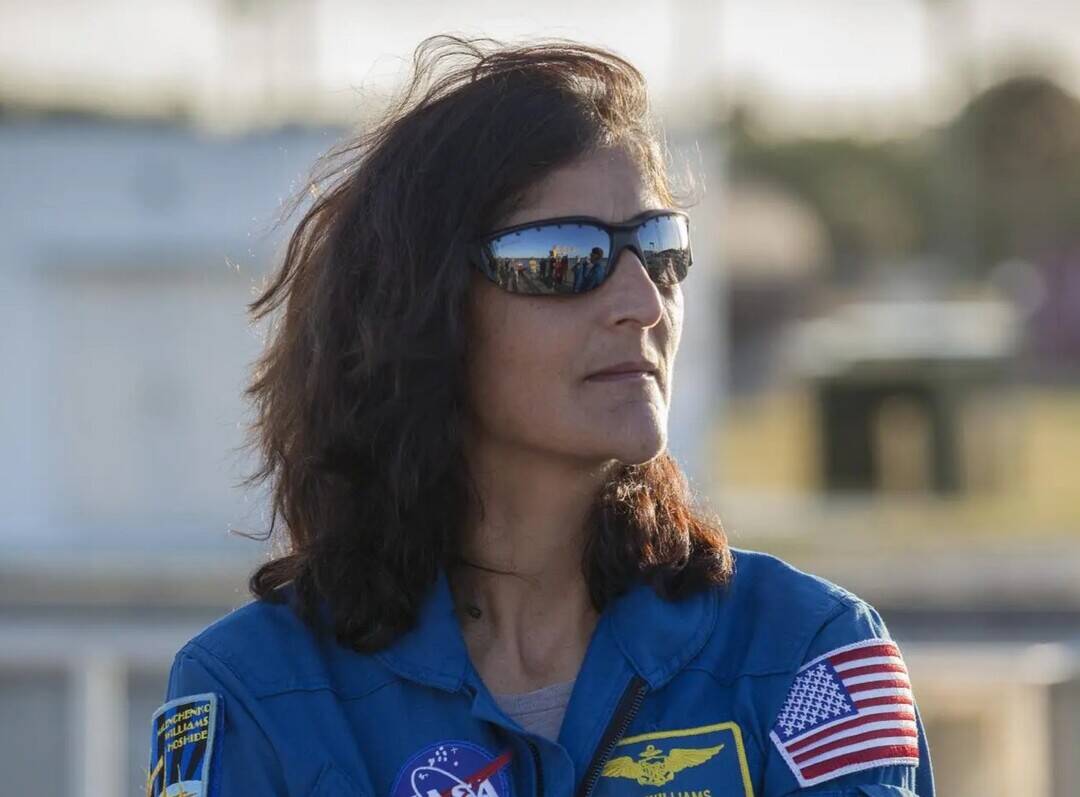
NASA astronaut Sunita Williams has retired from the agency, effective December 27, 2025, after 27 years of service. This announcement marks the end of an illustrious career for Williams, who has spent a significant amount of time in space and has been an inspiration to many aspiring astronauts around the world. Williams completed three missions aboard the International Space Station and logged 608 days in space, making her one of the most experienced astronauts in the history of space exploration.
Williams’ career with NASA has been nothing short of remarkable. Born on September 19, 1965, in Euclid, Ohio, Williams grew up with a passion for science and mathematics. She graduated from the United States Naval Academy in 1987 and went on to become a naval aviator, flying the SH-60 Seahawk helicopter. In 1998, Williams was selected by NASA as an astronaut candidate, and she began her training at the Johnson Space Center in Houston, Texas.
Over the course of her career, Williams has completed three missions aboard the International Space Station. Her first mission, Expedition 14, took place in 2006-2007, where she spent 195 days in space. Her second mission, Expedition 32/33, took place in 2012, where she spent 125 days in space. Her third and final mission, Expedition 68/69, took place in 2024-2025, where she spent 288 days in space.
However, it was her third mission that proved to be the most challenging. Williams, along with astronaut Butch Wilmore, was stuck in space for nine months after their Boeing Starliner spacecraft suffered propulsion issues. The incident occurred in 2024, when the spacecraft was supposed to return to Earth after a routine mission to the International Space Station. Due to the propulsion issues, the spacecraft was unable to re-enter the Earth’s atmosphere, and Williams and Wilmore were forced to extend their stay in space.
The incident was a major setback for NASA and Boeing, and it raised concerns about the safety of the Starliner spacecraft. However, Williams and Wilmore showed remarkable resilience and adaptability, and they were able to extend their mission and continue conducting scientific experiments aboard the International Space Station. Despite the challenges they faced, Williams and Wilmore were able to make the most of their time in space, and they were eventually able to return to Earth safely in 2025.
Williams’ retirement from NASA marks the end of an era for the agency. She has been an inspiration to many aspiring astronauts, and her contributions to the field of space exploration have been invaluable. Throughout her career, Williams has been recognized for her exceptional service, including the NASA Distinguished Service Medal, the NASA Space Flight Medal, and the Congressional Space Medal of Honor.
As Williams begins her new chapter in life, she leaves behind a legacy of dedication, hard work, and passion for space exploration. Her experiences and insights will undoubtedly continue to inspire and motivate future generations of astronauts, and her contributions to the field of space exploration will never be forgotten.
In conclusion, the retirement of astronaut Sunita Williams is a bittersweet moment for NASA and the space community. While it marks the end of an illustrious career, it also celebrates the remarkable achievements and contributions of an exceptional astronaut. Williams’ dedication, resilience, and passion for space exploration have made her a role model for many, and her legacy will continue to inspire and motivate others to pursue careers in space exploration.
As we look to the future of space exploration, we are reminded of the importance of experienced and dedicated astronauts like Sunita Williams. Their contributions to the field of space exploration have been invaluable, and their legacy will continue to shape the course of human spaceflight for generations to come.
About the Author