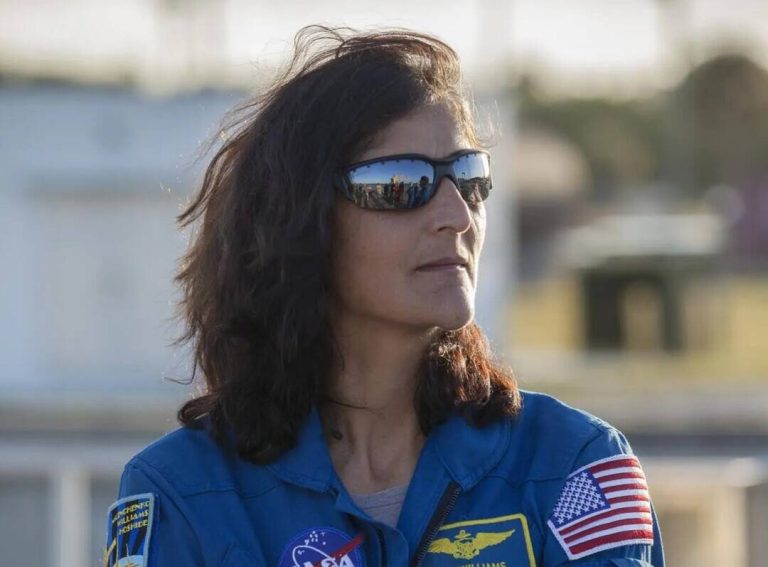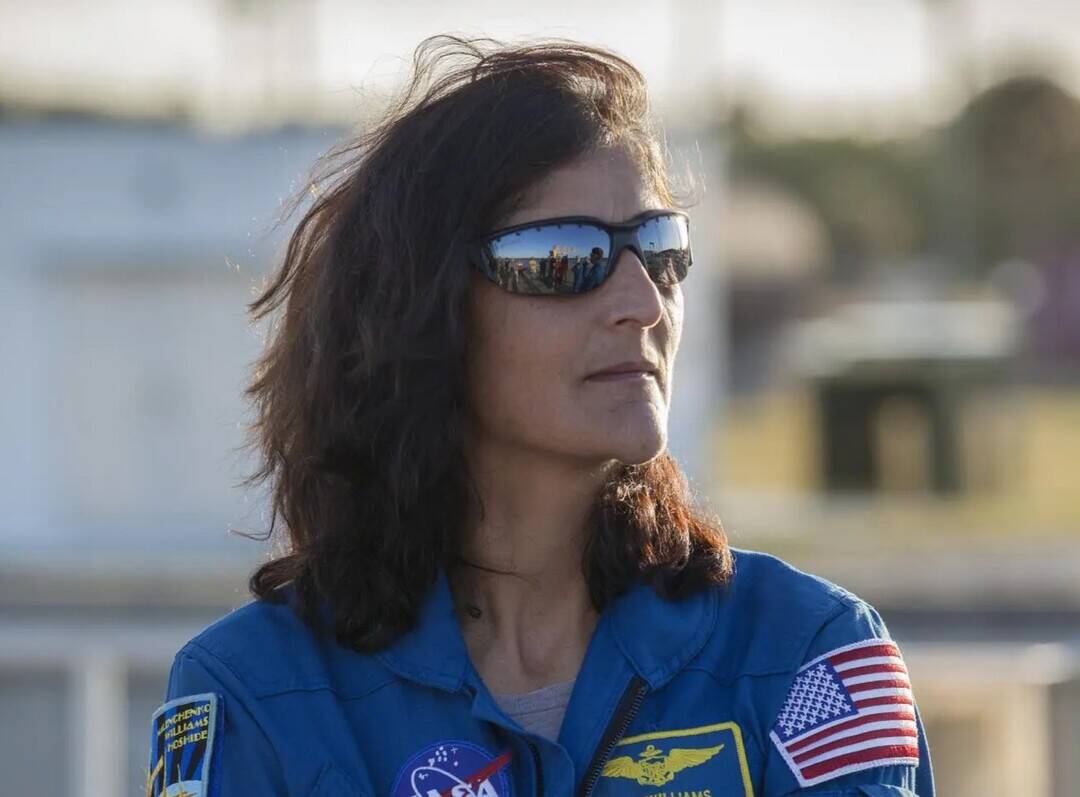
Astronaut Sunita Williams, who was stuck in space for 9 months, retires
After an illustrious career spanning 27 years, NASA astronaut Sunita Williams has announced her retirement from the agency, effective December 27, 2025. Williams, a veteran of three missions aboard the International Space Station, has spent a total of 608 days in space, making her one of the most experienced astronauts in the world. Her remarkable career has been marked by numerous achievements, including a record-breaking 195-day stint in space in 2012-2013.
Born on September 19, 1965, in Euclid, Ohio, Williams grew up with a passion for science and mathematics. She graduated from the United States Naval Academy in 1987 and went on to become a naval aviator, flying the SH-60 Seahawk helicopter. In 1998, she was selected by NASA as an astronaut candidate, and her first mission to space was in 2006, when she spent 195 days aboard the International Space Station.
Williams’ subsequent missions took her to the International Space Station again in 2012-2013, where she spent 127 days in space, and in 2024, when she embarked on her third mission. However, her third mission was marked by an unexpected challenge when the Boeing Starliner spacecraft she was aboard, along with astronaut Butch Wilmore, suffered propulsion issues. The two astronauts were stuck in space for nine months, from 2024 to 2025, before they could safely return to Earth.
The incident highlighted the risks and uncertainties of space travel, but also demonstrated the resilience and determination of astronauts like Williams. Despite the challenges, Williams and Wilmore continued to conduct scientific experiments and gather valuable data during their extended stay in space.
Throughout her career, Williams has been an inspiration to millions of people around the world, particularly women and girls, who aspire to pursue careers in science, technology, engineering, and mathematics (STEM). Her achievements have been recognized with numerous awards and honors, including the NASA Distinguished Service Medal and the Indian Space Research Organisation’s (ISRO) Spaceflight Awareness Award.
Williams’ retirement marks the end of an era in space exploration, but her legacy will continue to inspire future generations of astronauts and scientists. As NASA continues to push the boundaries of space travel, with plans to return humans to the Moon by 2025 and establish a sustainable presence on the lunar surface, the experience and expertise of astronauts like Williams will be invaluable.
In a statement, NASA Administrator, Bill Nelson, praised Williams for her dedication and service to the agency. “Sunita Williams is a true pioneer and a role model for women and girls everywhere,” he said. “Her contributions to the success of the International Space Station and the advancement of space exploration are immeasurable, and we are grateful for her service.”
As Williams begins a new chapter in her life, she leaves behind a legacy of achievement and a wealth of experience that will continue to inspire and motivate others to pursue careers in space exploration. Her story is a testament to the power of hard work, determination, and a passion for discovery, and will continue to captivate audiences for generations to come.
In conclusion, the retirement of astronaut Sunita Williams marks the end of an extraordinary career, but her legacy will continue to inspire and motivate others to pursue careers in space exploration. Her achievements serve as a reminder of the importance of perseverance and determination in the face of challenges, and her contributions to the success of the International Space Station and the advancement of space exploration are immeasurable.
About the Author