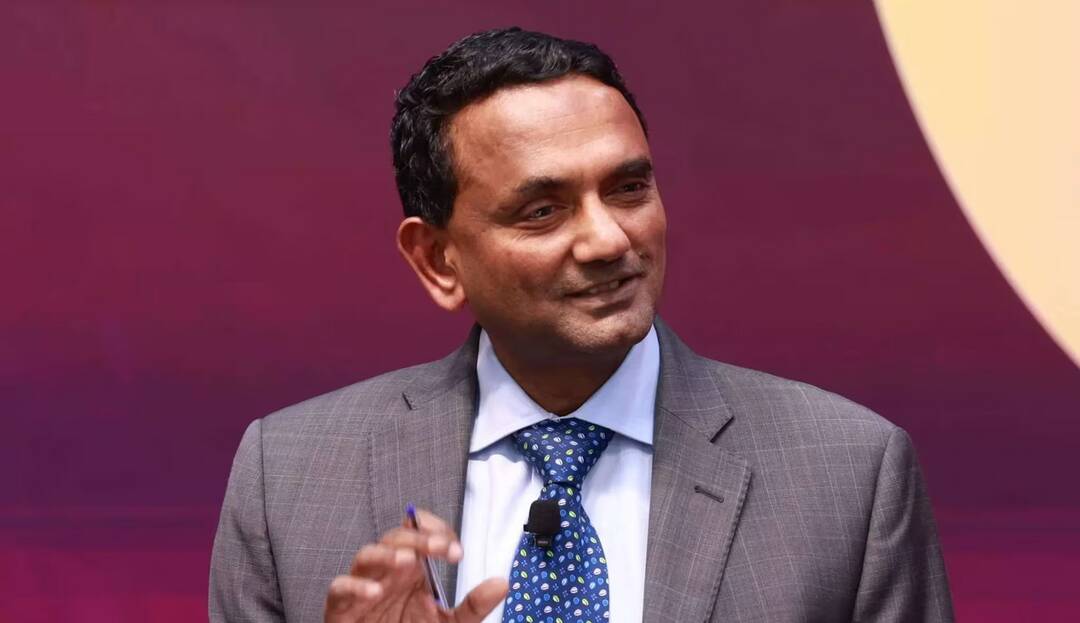
95% of AI pilots fail to deliver meaningful efficiency: TCS CEO
The world of artificial intelligence (AI) has been abuzz with excitement and promise, with many organizations investing heavily in AI pilots to improve efficiency and drive business growth. However, according to K Krithivasan, CEO of Tata Consultancy Services (TCS), a staggering 95% of these AI pilots have failed to deliver measurable value. This revelation is a stark reminder that the path to AI adoption is not always straightforward and that many organizations are struggling to realize the full potential of AI.
Krithivasan’s comments, citing research, highlight the challenges that organizations face in implementing AI solutions that deliver meaningful efficiency. Despite the hype surrounding AI, it appears that many organizations are struggling to translate AI pilots into tangible business outcomes. This raises important questions about the effectiveness of current AI strategies and the need for a more nuanced approach to AI adoption.
As we look ahead to 2026, a clearer picture of AI’s impact is emerging. According to Krithivasan, “We are witnessing…a new form of organisational intelligence, where combinations of humans and machines shape how choices are developed, presented and discussed.” This suggests that the future of AI is not about replacing human intelligence with machine intelligence, but rather about augmenting human capabilities with AI-powered tools and insights.
The concept of organizational intelligence is an interesting one, as it highlights the need for a more collaborative approach to AI adoption. Rather than viewing AI as a replacement for human workers, organizations should focus on creating a symbiotic relationship between humans and machines. By doing so, organizations can unlock the full potential of AI and create a more efficient, effective, and agile business model.
So, what are the key challenges that organizations face in implementing AI solutions that deliver meaningful efficiency? According to Krithivasan, there are several factors that contribute to the high failure rate of AI pilots. These include a lack of clear goals and objectives, inadequate data quality, and insufficient investment in AI talent and infrastructure.
To overcome these challenges, organizations need to adopt a more strategic approach to AI adoption. This involves setting clear goals and objectives, investing in high-quality data and AI talent, and creating a robust infrastructure to support AI development and deployment. Additionally, organizations need to focus on creating a culture of innovation and experimentation, where AI is seen as a key enabler of business growth and transformation.
In highlighting the need for a more strategic approach to AI adoption, Krithivasan emphasized the importance of five core principles. These principles include a clear understanding of the business problem to be solved, a well-defined AI strategy, a robust data management framework, a strong AI talent pool, and a culture of innovation and experimentation.
By following these principles, organizations can increase their chances of success and create AI solutions that deliver meaningful efficiency. This requires a fundamental shift in mindset, from viewing AI as a technology solution to seeing it as a key enabler of business transformation. By doing so, organizations can unlock the full potential of AI and create a more agile, efficient, and effective business model.
In conclusion, the failure of 95% of AI pilots to deliver meaningful efficiency is a stark reminder that AI adoption is not without its challenges. However, by adopting a more strategic approach to AI adoption and following the five core principles highlighted by Krithivasan, organizations can increase their chances of success and create AI solutions that drive business growth and transformation.
As we look ahead to 2026, it is clear that AI will play an increasingly important role in shaping the future of business. By embracing a more collaborative approach to AI adoption and creating a symbiotic relationship between humans and machines, organizations can unlock the full potential of AI and create a more efficient, effective, and agile business model.
About the Author