Largest Solar Storm in Over 20 Years Hits Earth
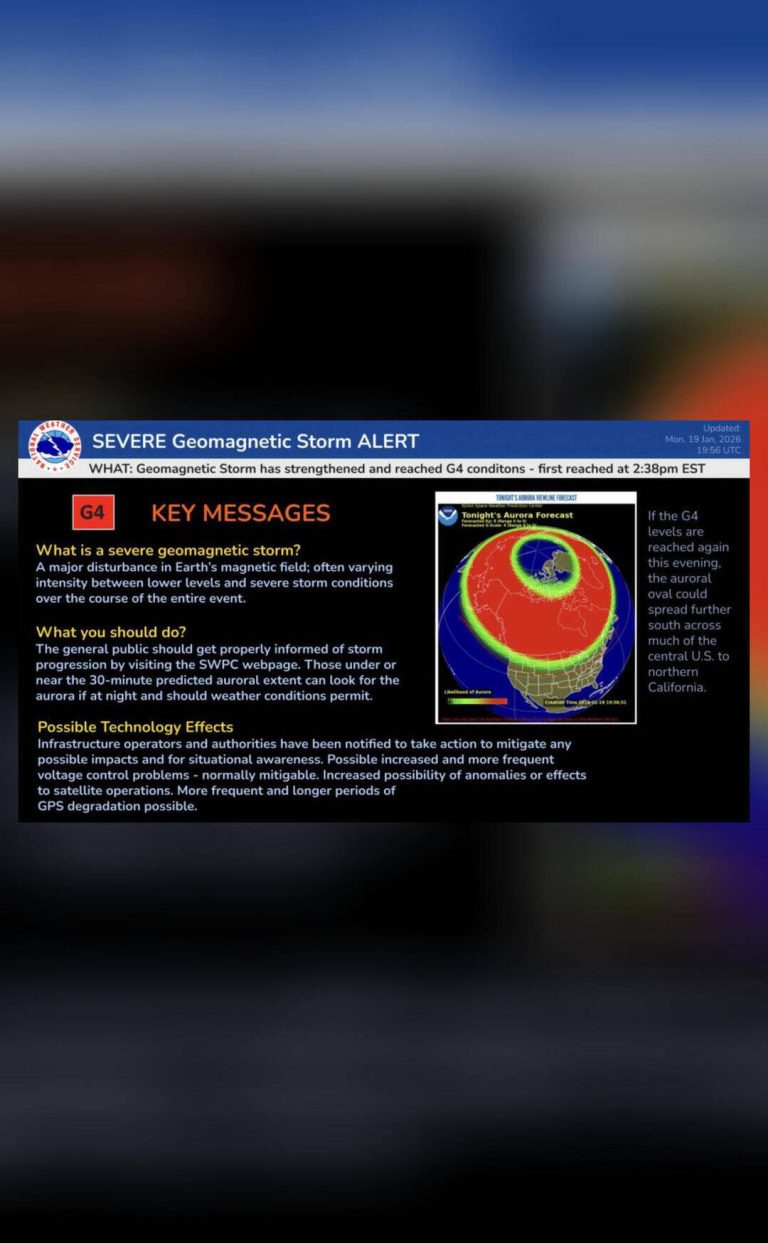
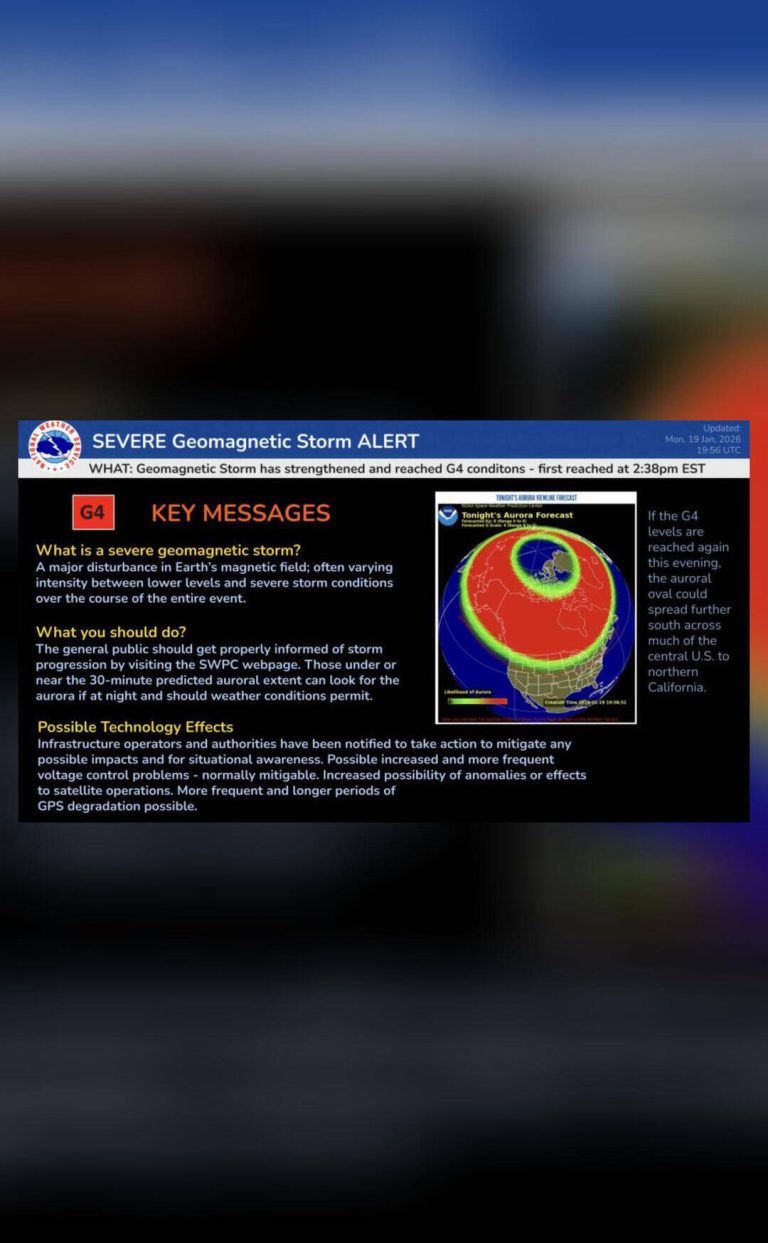
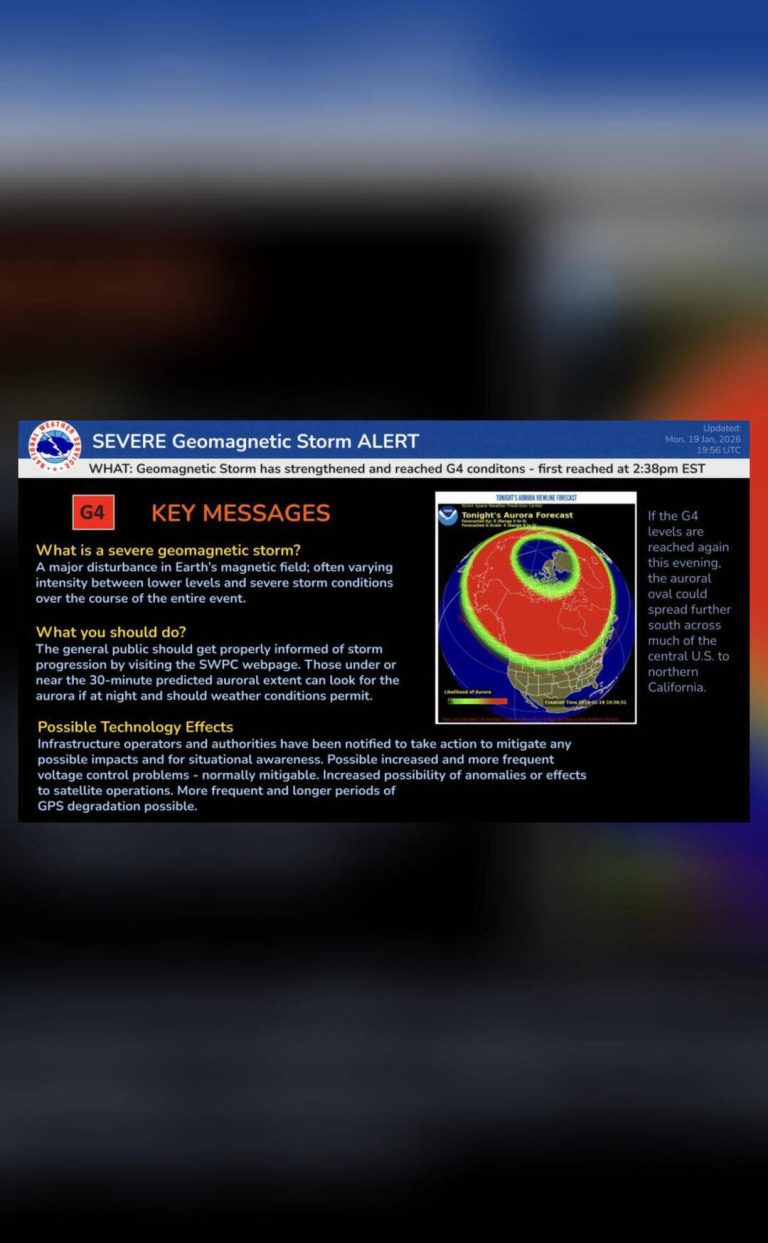
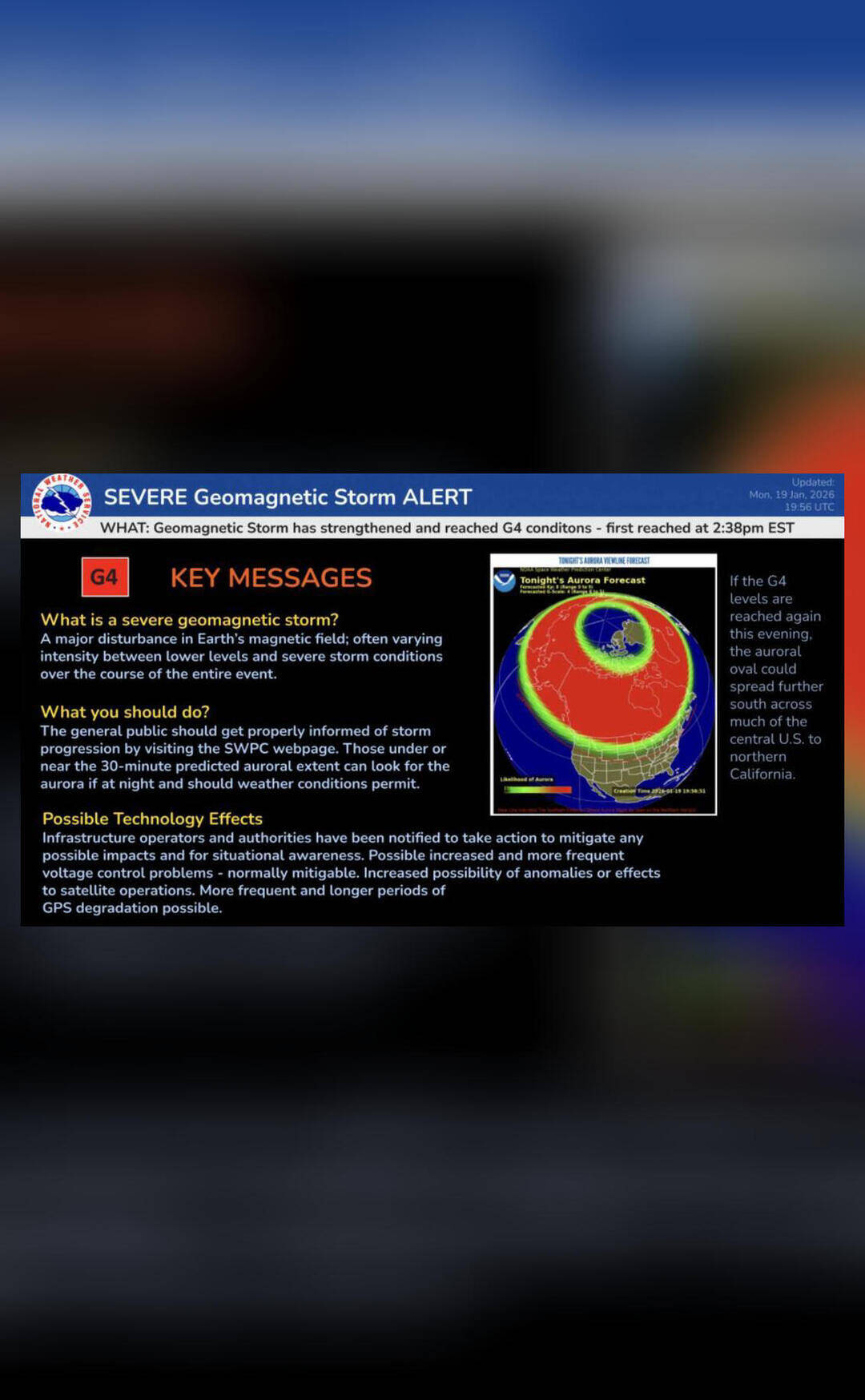
A powerful solar storm hit the Earth on Monday evening and early Tuesday morning, creating dazzling auroral displays at several locations across the globe. This storm, which is the largest in over 20 years, has not only mesmerized sky gazers with its breathtaking beauty but also raised concerns about its potential impact on our daily lives. The solar storm could disrupt satellite-based communications and GPS accuracy, affecting various aspects of our modern world.
The solar storm, which was caused by a massive coronal mass ejection (CME) from the sun, has been classified as a G5-level geomagnetic storm, the highest level on the NOAA’s space weather prediction center’s scale. This level of storm is known to cause significant disruptions to satellite communications, GPS, and even power grids. The storm’s impact was felt across the globe, with reports of stunning auroral displays in countries as far north as Norway and as far south as Australia.
The aurora, also known as the northern or southern lights, is a natural phenomenon that occurs when charged particles from the sun interact with the Earth’s magnetic field and atmosphere. The resulting display of colored lights can be breathtakingly beautiful, with vibrant hues of green, blue, and red dancing across the sky. However, the beauty of the aurora belies the potential risks associated with the solar storm that caused it.
One of the primary concerns associated with the solar storm is its potential impact on satellite-based communications. Satellites in orbit around the Earth are vulnerable to the increased radiation and charged particles emitted by the sun during a solar storm. This can cause malfunctions and disruptions to communication systems, including satellite TV, GPS, and even mobile phone networks. The impact of the solar storm on satellite communications could be significant, with potential disruptions to critical services such as air traffic control and emergency services.
Another area of concern is the potential impact on GPS accuracy. GPS relies on a network of satellites orbiting the Earth to provide location information to users. However, during a solar storm, the increased radiation and charged particles can cause signal delays and disruptions, leading to decreased GPS accuracy. This could have significant implications for industries such as aviation, where GPS is used for navigation, and for emergency services, where accurate location information is critical.
In addition to the potential disruptions to satellite communications and GPS, the solar storm also poses risks to passengers on flights that are traveling polar routes. Solar radiation storms can cause increased radiation exposure risks for passengers and crew on these flights, particularly at high altitudes. This is because the Earth’s magnetic field provides less protection against solar radiation at the poles, leaving passengers and crew more vulnerable to its effects.
The impact of the solar storm on air travel is not limited to radiation exposure risks. The storm could also cause disruptions to flight routes and schedules, particularly for flights that are traveling through areas with high levels of solar activity. This could lead to delays and cancellations, causing inconvenience to passengers and potentially significant economic losses to airlines.
In conclusion, the largest solar storm in over 20 years has hit the Earth, causing dazzling auroral displays and raising concerns about its potential impact on our daily lives. The storm’s potential disruptions to satellite communications, GPS accuracy, and air travel are significant, and it is essential that we take steps to mitigate its effects. By understanding the risks associated with solar storms and taking proactive measures to prepare for them, we can minimize their impact and ensure the continued safe and efficient operation of our critical systems.
News Source: https://x.com/RT_com/status/2013348883477233817
About the Author